Scotland is a land of rugged mountains, ancient castles, and rich traditions. Beyond its breathtaking landscapes, the country is known for a collection of powerful symbols that tell the story of its people, history, and identity. From the prickly thistle and the Saltire flag to the majestic unicorn and the haunting sound of bagpipes, Scotland’s symbols are deeply woven into its national character.
These symbols are more than decorative emblems. They appear on official seals, sporting uniforms, coins, monuments, and cultural celebrations across the country. They help preserve Scotland’s heritage while connecting modern generations with centuries of history.
Whether you’re planning a trip, researching Scottish culture, tracing family roots, or simply curious about national emblems, understanding Scotland symbols offers a fascinating look into one of the world’s most distinctive nations.
Quick Facts About Scotland Symbols
| Feature | Details |
| Country | Scotland |
| Capital | Edinburgh |
| National Flower | Thistle |
| National Animal | Unicorn |
| National Flag | The Saltire (St. Andrew’s Cross) |
| National Instrument | Great Highland Bagpipe |
| Patron Saint | St. Andrew |
| National Dress | Kilt |
| Official Motto | Nemo Me Impune Lacessit |
| National Plant | Scots Pine |
| Popular Cultural Symbol | Tartan |
| Currency Used | Pound Sterling (GBP) |
What Are Scotland Symbols?
Scotland symbols are objects, animals, plants, traditions, and emblems that represent the country’s history, values, and cultural identity. Some have official status, while others gained significance through folklore, royal traditions, and centuries of public use.
These symbols appear in many aspects of Scottish life. Visitors will see them on government buildings, souvenirs, sports jerseys, and family crests. They also play an important role during national celebrations such as St. Andrew’s Day, Highland Games, and Burns Night.
The most recognized Scottish symbols include:
- The thistle
- The unicorn
- The Saltire flag
- Tartan patterns
- Bagpipes
- Kilts
- The Lion Rampant
- St. Andrew
- Scots pine
- Highland cattle
Together, they create a visual and cultural language that instantly identifies Scotland around the world.
The History of Scotland’s National Symbols
Many Scottish symbols date back hundreds of years. Their origins can be found in medieval kingdoms, religious traditions, and legendary stories.
The Saltire is believed to have been used since the 9th century, making it one of the oldest national flags still in use today. The thistle became associated with Scotland during the Middle Ages, while the unicorn was adopted by Scottish royalty in the 15th century.
Tartan evolved from regional weaving traditions in the Highlands and later became a symbol of Scottish pride worldwide. Bagpipes, although found in several cultures, became strongly linked with Scotland through military and ceremonial use.
Over time, these symbols survived wars, political unions, and social change. Today, they continue to represent Scottish resilience, independence, and heritage.
Major Scotland Symbols and Their Meanings
The Thistle
The thistle is Scotland’s national flower and perhaps its most beloved emblem. According to legend, a Norse invader stepped on a thistle while attempting a nighttime attack, alerting Scottish defenders.
Its sharp appearance symbolizes strength, protection, and determination. The flower is also featured in the insignia of the Order of the Thistle, one of Scotland’s highest honors.
The Unicorn
Scotland’s national animal is the unicorn—a surprising choice for a modern nation. In Celtic mythology, unicorns symbolized purity, power, and freedom.
The unicorn appears in Scotland’s royal coat of arms, often depicted with chains, representing the belief that only a king could tame such a powerful creature.
The Saltire
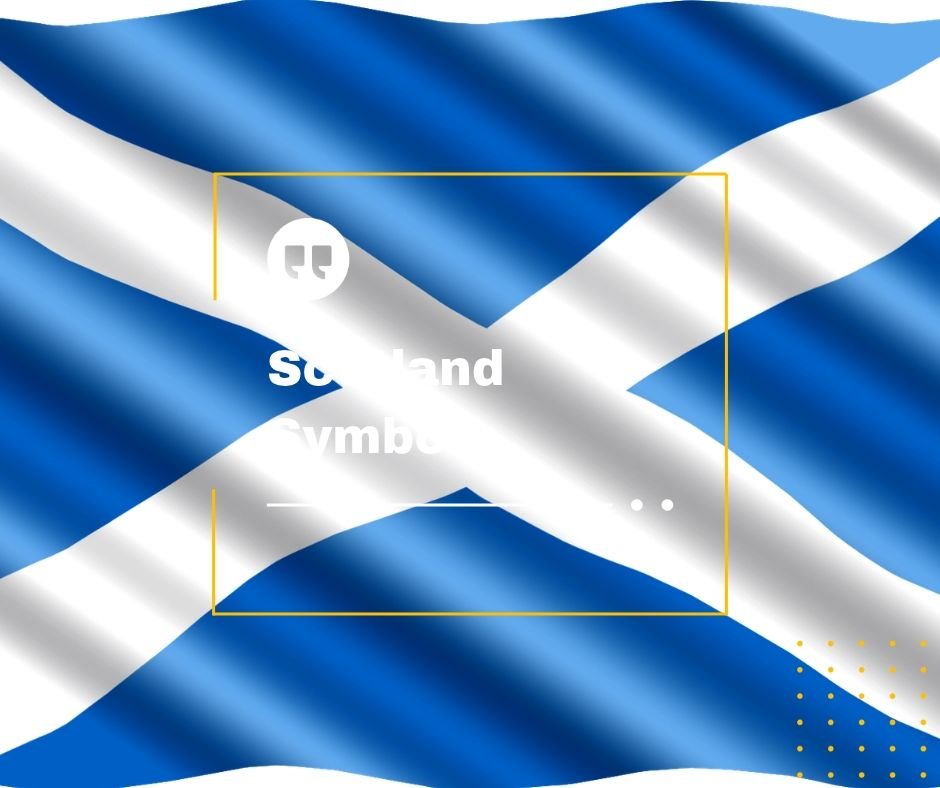
The Saltire, also called St. Andrew’s Cross, features a white diagonal cross on a blue background. It honors Scotland’s patron saint, St. Andrew.
The flag remains one of the oldest continuously used national flags and is proudly displayed throughout Scotland.
Tartan
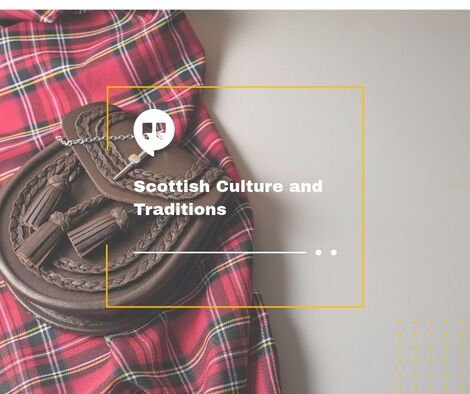
Tartan consists of crisscrossing colored patterns traditionally associated with Scottish clans. While many tartans are linked to families, others represent organizations, regions, and institutions.
Today, tartan is a global symbol of Scottish identity and fashion.
Bagpipes
The sound of bagpipes is instantly recognizable. They are commonly played at ceremonies, military events, weddings, and cultural festivals.
For many Scots living abroad, bagpipe music evokes a strong sense of home and heritage.
20 Interesting Facts About Scotland Symbols
1. Scotland’s National Animal Is Mythical
Unlike most countries, Scotland chose a mythical creature rather than a real animal. The unicorn has represented Scottish royalty since the late 1400s and symbolizes freedom and nobility.
2. The Saltire Is Among the World’s Oldest Flags
Historical records suggest the Saltire has been used for more than 1,000 years, making it one of the oldest national flags still in existence.
3. The Thistle Became a Hero by Accident
Legend says a barefoot Viking stepped on a thistle during an invasion. His cry alerted Scottish soldiers and helped save the country from attack.
4. Scotland Has Thousands of Registered Tartans
The Scottish Register of Tartans contains thousands of official designs. New tartans continue to be created for families, charities, and businesses.
5. Bagpipes Were Once Used in Battle
Scottish regiments used bagpipes to motivate troops and communicate during battles. Their powerful sound could be heard over great distances.
6. The Lion Rampant Has Royal Connections
The Lion Rampant flag is closely associated with Scottish monarchs and is often used during sporting events and royal ceremonies.
7. St. Andrew Was Not Scottish
Scotland’s patron saint was actually one of Jesus’ apostles from the Middle East. His connection to Scotland developed through religious traditions.
8. Kilts Were Originally Practical Clothing
The first kilts were designed for Highland life. Their loose construction allowed freedom of movement across mountains and harsh terrain.
9. Scots Pine Is Scotland’s National Tree
This evergreen tree has been part of Scotland’s landscape for thousands of years and supports important wildlife habitats.
10. Highland Cattle Are Famous Worldwide
With their long horns and shaggy coats, Highland cows have become one of Scotland’s most photographed symbols.
11. Edinburgh Castle Features National Symbols
Visitors can spot the unicorn, lion, and thistle throughout Edinburgh Castle’s architecture, showcasing centuries of Scottish pride.
12. The Motto Reflects Scottish Spirit
“Nemo Me Impune Lacessit” translates to “No one attacks me with impunity,” highlighting Scotland’s long-standing reputation for resilience.
13. Clan Tartans Were Popularized in the 19th Century
Although tartans existed earlier, Queen Victoria’s enthusiasm for Scottish culture helped popularize clan associations.
14. Scotland’s Symbols Appear on Currency
Scottish banknotes often include images of famous landmarks, historical figures, and national emblems.
15. The Unicorn Often Appears Chained
Chains symbolize that the unicorn’s immense power could only be restrained by rightful authority, particularly the monarchy.
16. Bagpipes Are Used Around the World
Scottish communities in Canada, Australia, New Zealand, and the United States continue to preserve bagpipe traditions.
17. The Saltire Inspired Other Designs
Scotland’s flag has influenced several regional and historical flags across the world due to its simple and striking design.
18. Burns Night Celebrates Scottish Heritage
Held every January, Burns Night honors poet Robert Burns through traditional food, music, and symbolic Scottish customs.
19. The Thistle Is Surprisingly Resilient
Thistles can thrive in difficult conditions, making them a fitting representation of Scotland’s enduring spirit.
20. Scottish Symbols Continue to Evolve
Modern Scotland embraces both tradition and innovation. Contemporary symbols now include major sporting achievements, architecture, and cultural contributions while preserving historic emblems.
Scottish Culture and Traditions
Scottish culture is deeply connected to its symbols. Traditional events and customs keep these emblems alive across generations.
Some of the country’s best-known traditions include:
- Highland Games
- Burns Night celebrations
- St. Andrew’s Day festivities
- Ceilidh dancing
- Clan gatherings
- Hogmanay (New Year’s celebrations)
Music also plays an important role. Bagpipes, fiddles, and folk songs remain central to cultural events.
Family heritage continues to matter in Scotland. Many people proudly identify with their clan history and tartan patterns, even if they live overseas.
Famous Scottish Foods and Cultural Products
Scotland’s symbols extend into its culinary traditions and exports.
Haggis
Haggis is Scotland’s national dish and is traditionally served with neeps and tatties during Burns Night celebrations.
Scotch Whisky
Scotch whisky is one of Scotland’s most famous exports. Different regions produce distinct styles, including Speyside, Highland, Islay, and Lowland whiskies.
Shortbread
This buttery biscuit has become an internationally recognized Scottish treat and is often sold in tins featuring tartan designs.
Cashmere and Wool
Scottish textiles are admired worldwide for their quality. Tartan scarves and wool products remain popular souvenirs.
Famous Places Connected to Scotland Symbols
Edinburgh Castle
One of Scotland’s most visited landmarks, Edinburgh Castle contains numerous national emblems and historical artifacts.
Loch Ness
Home to the legendary Loch Ness Monster, this famous lake adds another layer to Scotland’s rich folklore.
The Highlands
The Scottish Highlands embody many national symbols, including kilts, bagpipes, and Highland cattle.
Stirling Castle
This historic fortress played a major role in Scotland’s history and features impressive examples of royal symbolism.
Isle of Skye
Known for its dramatic scenery, Skye represents the natural beauty often associated with Scottish identity.
The Importance of Scotland Symbols Today
Scotland’s symbols remain economically and culturally important. Tourism contributes billions to the Scottish economy, and many visitors are drawn by iconic imagery such as castles, tartans, and Highland landscapes.
These symbols also play a role in:
- International branding
- Cultural tourism
- Sporting events
- Education
- Heritage preservation
- Film and television
Movies, television series, and social media have further increased global interest in Scottish culture. As a result, symbols like the thistle and tartan continue to gain recognition worldwide.
Frequently Asked Questions About Scotland Symbols
What is the most famous symbol of Scotland?
The thistle is generally considered Scotland’s most famous national symbol, followed closely by the Saltire and the unicorn.
Why is the unicorn Scotland’s national animal?
The unicorn was chosen because it represents purity, strength, independence, and power in Celtic mythology and royal traditions.
What does the Scottish flag symbolize?
The Saltire represents St. Andrew, Scotland’s patron saint, and symbolizes national pride and historical identity.
Is tartan unique to Scotland?
Tartan is most strongly associated with Scotland, although similar woven patterns exist elsewhere. Scottish tartans are uniquely linked to clans and institutions.
What is Scotland’s national flower?
The national flower of Scotland is the thistle, a symbol of resilience and protection.
Are bagpipes originally from Scotland?
Bagpipes existed in several ancient cultures, but Scotland developed its own distinctive style known as the Great Highland Bagpipe.
What is the Lion Rampant?
The Lion Rampant is a royal banner historically associated with Scottish kings and remains an important national emblem.
Conclusion
Scotland symbols tell a remarkable story of heritage, resilience, and identity. From the legendary unicorn and enduring thistle to the unmistakable sound of bagpipes, these emblems connect Scotland’s past with its present.
They are more than historical artifacts—they remain living symbols that inspire pride at home and fascination abroad. Whether seen on a flag flying over Edinburgh, woven into a tartan scarf, or heard in a Highland melody, Scotland’s symbols continue to shape how the world understands this extraordinary nation.

Hi, I’m Benjamin Carter. I have spent years studying symbols from different civilizations and discovering how they influence art, religion, culture, and daily life. I enjoy turning detailed research into simple, engaging articles that anyone can understand.
I believe every symbol has a unique story, and sharing those stories is what inspires me the most. Through Symbolory, I aim to help readers explore the meanings behind famous symbols, lucky signs, spiritual icons, and historical emblems with confidence.
Books
- Symbols Across Civilizations
- The Complete Guide to Meaningful Icons
 Sophia Bennett
 Amelia Hart