I’ve always found Swedish culture fascinating because it blends nature, history, and simple beauty in a way that feels timeless. If you’ve ever visited Sweden, watched Scandinavian films, or admired Nordic designs, you’ve probably noticed certain symbols appearing again and again.
Swedish symbols tell stories about the country’s past, beliefs, traditions, and way of life. Some are connected to Viking heritage, while others celebrate family, nature, and national identity. You’ll find them on jewelry, clothing, flags, artwork, and even modern logos.
Whether you’re looking for tattoo inspiration, designing a Scandinavian-themed project, or simply curious about Swedish culture, understanding these symbols adds a deeper layer of meaning.
This guide explores the most recognized Swedish symbols, their meanings, and how people use them today.
Quick Answer: What Symbol Represents Sweden?
The most recognized symbol of Sweden is the Three Crowns (Tre Kronor). It has served as Sweden’s national emblem for centuries and appears on government buildings, sports uniforms, passports, and official insignia. Other important Swedish symbols include the Dala Horse, the Swedish flag, Midsummer Pole, and the Nordic Cross.
What Are Swedish Symbols?
Swedish symbols are images, emblems, and cultural icons associated with Sweden’s history, traditions, and identity. They may reflect national pride, folklore, Christianity, Scandinavian heritage, or the country’s close relationship with nature.
Their meanings can vary depending on how they are used. For example, the Three Crowns are tied to national identity, while the Dala Horse is often associated with craftsmanship and home. Likewise, the Midsummer Pole carries cultural significance connected to one of Sweden’s most beloved celebrations.
Some Swedish symbols are centuries old, while others have gained meaning through modern traditions. Understanding their origins helps us appreciate them respectfully and avoid assuming that every Scandinavian symbol has the same history.
Swedish Symbols Comparison Table
| Symbol | Main Meaning | Best Use |
| Three Crowns | National identity | Logos, artwork |
| Dala Horse | Tradition and craftsmanship | Home décor, gifts |
| Swedish Flag | Patriotism | Events, designs |
| Nordic Cross | Christian heritage | Jewelry, education |
| Midsummer Pole | Celebration and community | Cultural art |
| Viking Ship | Exploration | Tattoos, posters |
| Rune Stone | History and remembrance | Tattoos, displays |
| Elk (Moose) | Nature and wildlife | Branding, illustrations |
| Lucia Crown | Light and hope | Holiday themes |
| Sami Sun Symbol | Cultural heritage | Educational use |
| Lingonberry Branch | Nature and abundance | Decorative art |
| Swedish Lion | Royal symbolism | Heraldry, logos |
Three Crowns: Sweden’s National Emblem
The Three Crowns, known as Tre Kronor, are the most famous symbol connected to Sweden. The emblem dates back to the Middle Ages and remains one of the country’s official national symbols.
Today, you’ll see it on passports, military insignia, and the uniforms of Swedish national sports teams. The symbol is widely associated with unity, sovereignty, and national pride.
Its exact historical origin is still debated by historians, but it has been linked to Swedish royalty for hundreds of years. Because of its simple design, it remains easy to recognize around the world.
Best for: Logos, tattoos, sports designs, patriotic artwork, educational materials
Dala Horse: A Symbol of Swedish Tradition
The Dala Horse, or Dalahäst, originated in the province of Dalarna. Traditionally carved from wood and painted by hand, it has become one of Sweden’s best-known cultural symbols.
Many families display Dala Horses in their homes as a reminder of Swedish heritage. Travelers often bring them home as souvenirs.
The symbol reflects craftsmanship, tradition, and community values. Its bright colors also make it a favorite in Scandinavian interior design.
Today, artists continue creating both traditional and modern versions of the Dala Horse, helping keep the tradition alive.
Best for: Home décor, souvenirs, family gifts, Scandinavian art, cultural displays
Swedish Flag: A Symbol of National Pride
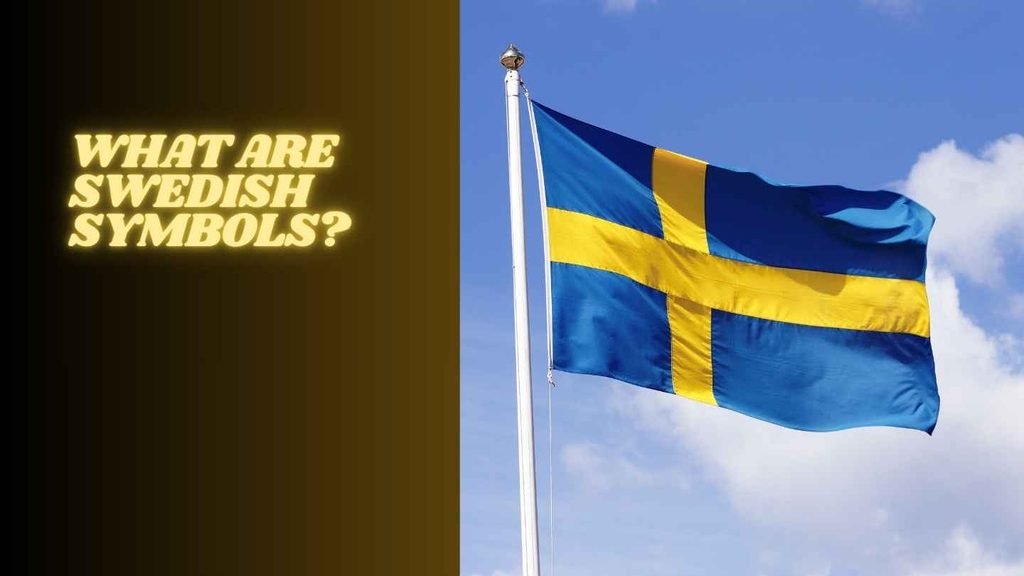
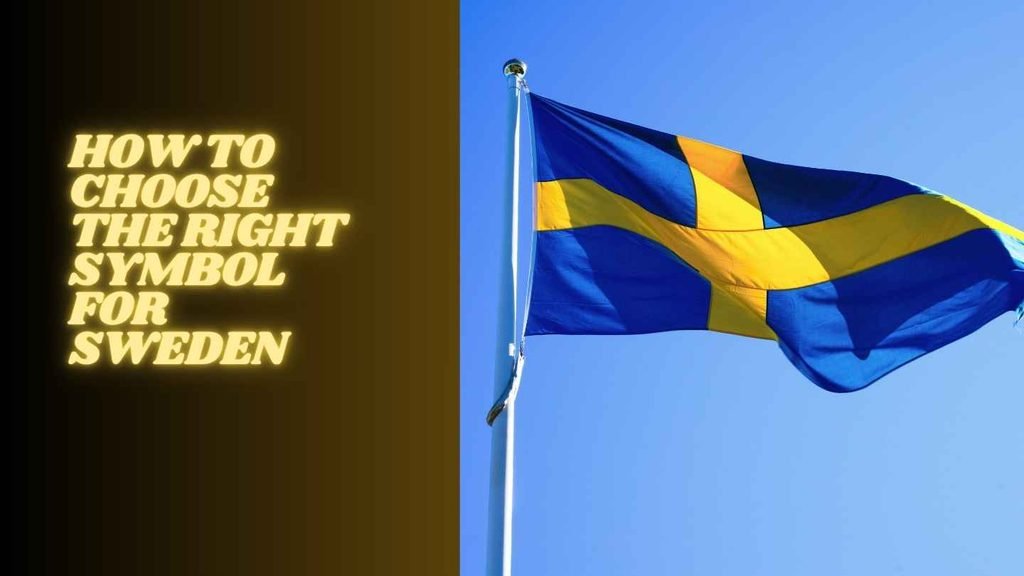
The Swedish flag features a yellow Nordic cross on a blue background. It is one of the most recognizable flags in Northern Europe.
The Nordic Cross design is shared by several Scandinavian countries and reflects the region’s historical Christian influence. In Sweden, the flag is commonly displayed during holidays, sporting events, and national celebrations.
Many people also incorporate the flag into travel posters, merchandise, and social media graphics celebrating Swedish culture.
Its clean and simple appearance makes it suitable for both traditional and modern designs.
Best for: Posters, events, branding, patriotic designs, educational projects
Nordic Cross: Sweden’s Religious Heritage
The Nordic Cross appears on the Swedish flag and carries historical ties to Christianity throughout Scandinavia.
Although many people view it today as a cultural symbol rather than a religious one, its origins are important to understand. The cross became widespread as Christianity spread across Northern Europe.
Designers often appreciate its balanced and minimal appearance. However, because of its historical roots, it should be used respectfully.
The Nordic Cross serves as a reminder of Sweden’s connection to broader Scandinavian history.
Best for: Jewelry, historical studies, minimalist designs, cultural projects, educational use
Midsummer Pole: A Celebration of Community
The Midsummer Pole, or Maypole, stands at the center of Sweden’s famous Midsummer celebrations. Decorated with greenery and flowers, it symbolizes joy, togetherness, and the arrival of summer.
Every year, communities gather around the pole to dance, sing, and celebrate one of Sweden’s most cherished traditions.
For many Swedes, the Midsummer Pole represents family memories and a connection to seasonal rhythms.
Its festive appearance makes it a popular choice for illustrations, posters, and event branding.
Best for: Festival art, family projects, event posters, seasonal designs, cultural education
Viking Ship: A Nod to Scandinavian Exploration
While Viking history belongs to several Nordic countries, Viking ships remain closely associated with Sweden’s ancient past.
These ships symbolize exploration, courage, and discovery. Archaeological findings across Sweden continue to shed light on Viking-era life.
Today, Viking ship imagery appears in tattoos, books, and Scandinavian-themed branding. Many people choose it as a reminder to embrace adventure and seek new opportunities.
The long, elegant shape also translates well into visual design.
Best for: Tattoos, book covers, travel themes, posters, motivational artwork
Rune Stone: A Link to History
Rune stones are carved monuments featuring inscriptions from the Viking Age. Sweden is home to thousands of these historical artifacts.
They provide valuable insights into ancient Scandinavian culture, language, and remembrance practices.
People are often drawn to rune-inspired designs because they feel mysterious and timeless. However, individual runes have distinct meanings, so it’s important to research them before using them in tattoos or products.
Rune stones remind us that symbols can preserve stories across generations.
Best for: Historical tattoos, museum displays, educational projects, artwork, heritage pieces
Elk (Moose): Sweden’s Wildlife Icon
The elk, commonly called the moose in English-speaking countries, is one of Sweden’s most beloved animals.
It symbolizes the country’s deep connection with forests and nature. Visitors often hope to spot one during their travels through Sweden’s countryside.
The elk appears on road signs, souvenirs, and tourism campaigns. Its large silhouette makes it instantly recognizable and ideal for branding.
Many people choose elk imagery because it feels both rugged and approachable.
Best for: Outdoor brands, logos, travel designs, children’s art, souvenirs
Lucia Crown: A Symbol of Light
Every December, Sweden celebrates Saint Lucia Day. During the tradition, a person wears a crown of candles while leading a procession.
The Lucia Crown symbolizes light, hope, and kindness during the darkest days of winter.
It remains an important cultural tradition in many Swedish communities and schools. The image is especially popular during holiday seasons and Scandinavian Christmas celebrations.
Its message feels universal, making it meaningful beyond Sweden itself.
Best for: Holiday designs, greeting cards, school projects, winter artwork, cultural events
Sami Sun Symbol: Honoring Indigenous Heritage
The Sami people are the Indigenous people of northern Scandinavia, including parts of Sweden.
Some Sami artistic traditions include sun imagery that reflects themes of life, nature, and seasonal cycles. These symbols should always be approached with care and cultural respect.
It’s important not to treat Indigenous symbols as decorative trends without understanding their significance.
Learning about Sami culture helps us appreciate Sweden’s diversity and history more fully.
Best for: Educational materials, cultural studies, respectful artistic projects
Lingonberry Branch: Nature and Abundance
Lingonberries are a beloved part of Swedish cuisine and culture. Their branches are often used in decorative art celebrating Nordic landscapes.
The symbol is associated with abundance, simplicity, and life close to nature. It appears in textiles, kitchen décor, and Scandinavian-inspired illustrations.
Because of its soft and natural appearance, it works well in modern minimalist designs.
Best for: Kitchen art, packaging, home décor, illustrations, lifestyle branding
Swedish Lion: Royal Heritage
The Swedish Lion appears in heraldic traditions connected to Swedish royalty and historical coats of arms.
It symbolizes dignity, leadership, and heritage. Although less common than the Three Crowns, it remains an important part of Sweden’s visual history.
The lion’s detailed appearance makes it especially popular in formal designs and traditional artwork.
People interested in heraldry often appreciate its rich historical associations.
Best for: Heraldry, formal logos, emblems, historical projects, luxury branding
Best Swedish Symbols for Tattoos
Swedish tattoos are often chosen for their simplicity and personal meaning. Smaller designs tend to age well and remain easy to recognize.
Popular Swedish tattoo ideas include:
- Three Crowns
- Dala Horse
- Viking Ship
- Rune Stone designs
- Nordic Cross
- Elk silhouette
- Lucia Crown
- Lingonberry branch
Before getting a tattoo, consider the symbol’s cultural background and whether it reflects your personal connection to Sweden.
Best Swedish Symbols for Logos and Design
The best symbols for logos are simple, memorable, and scalable. Swedish-inspired branding often embraces minimalism, making several symbols particularly effective.
Great options include:
- Three Crowns
- Swedish Flag
- Elk silhouette
- Dala Horse
- Lingonberry branch
- Viking Ship outline
These symbols work well for travel companies, Nordic brands, social media graphics, and poster designs because they remain recognizable even at smaller sizes.
Best Swedish Symbols for Family, Spiritual, or Personal Meaning
If you’re searching for a symbol with deeper personal meaning, consider these options:
- Family: Midsummer Pole, Dala Horse
- Hope: Lucia Crown
- Adventure: Viking Ship
- Nature: Elk and Lingonberry Branch
- Identity: Three Crowns
- Reflection: Rune Stone
Choosing a symbol becomes more meaningful when it connects to your own experiences, values, or family traditions.
Before Using Cultural or Sacred Symbols
Some Swedish symbols have religious, Indigenous, or cultural significance. The Nordic Cross has Christian roots, while Sami symbols are tied to Indigenous traditions.
Before using these symbols in tattoos, logos, or commercial products, take time to learn about their history. Meanings can differ across communities and generations.
Respectful use begins with understanding where a symbol comes from and why it matters to the people connected to it.
How to Choose the Right Symbol for Sweden
When choosing a Swedish symbol, ask yourself:
- Does it have personal meaning?
- Is it culturally appropriate for my purpose?
- Will it work well as a tattoo or logo?
- Is the design simple and recognizable?
- Does it reflect family, heritage, or creativity?
A Dala Horse may suit someone celebrating Swedish ancestry, while a Viking Ship may appeal to travelers and adventurers. There isn’t one perfect choice—only the one that feels right for you.
FAQs About Swedish Symbols
What is the most famous Swedish symbol?
The Three Crowns are widely considered Sweden’s most famous symbol. They appear on official government materials, sports uniforms, and national emblems throughout the country.
What is a good Swedish symbol tattoo?
Popular choices include the Dala Horse, Viking Ship, Three Crowns, and Rune-inspired designs. Smaller symbols often work best for minimalist tattoos.
What symbol represents Swedish culture?
The Dala Horse is one of the clearest symbols of Swedish culture because it reflects craftsmanship, tradition, and community life.
Is the Viking Ship only a Swedish symbol?
No. Viking ships are associated with several Nordic countries, including Norway and Denmark. However, they remain an important part of Sweden’s historical heritage.
What animal symbolizes Sweden?
The elk, often called the moose, is one of the animals most closely associated with Sweden due to its strong presence in the country’s forests.
What colors are associated with Sweden?
Blue and yellow are Sweden’s national colors. They appear on the Swedish flag and are commonly used during national celebrations and sporting events.
Are Swedish symbols used in modern design?
Yes. Symbols like the Three Crowns, Dala Horse, and elk are frequently used in branding, tourism campaigns, and Scandinavian-inspired artwork.
Can I use Swedish symbols in a logo?
Yes, but it’s important to understand the cultural context. Avoid using symbols in ways that could misrepresent their historical or cultural significance.
Final Thoughts
Swedish symbols offer a fascinating window into the country’s history, traditions, and values. From the Three Crowns and Dala Horse to the Lucia Crown and Viking Ship, each symbol carries its own story.
if you’re looking for tattoo inspiration, creating a logo, or exploring your heritage, these Swedish symbols can help you connect with Sweden in a thoughtful and meaningful way.

I’m Sophia Bennett, and I have a passion for uncovering the meaning behind symbols used throughout history and across different cultures. I love researching mythology, nature, dreams, and spiritual traditions to explain how symbols shape our understanding of the world.
Writing for Symbolory allows me to share reliable, easy-to-read information that helps readers connect with the stories behind every symbol. My mission is to make symbolism interesting, practical, and accessible for everyone.
Books
- The World of Symbol Meanings
- Sacred Symbols and Modern Interpretations
 Amelia Hart