Royal symbols have fascinated me for years because they tell stories without using words. A single crown, lion, or fleur-de-lis can instantly bring to mind kings, queens, noble families, and centuries of history.
If you’ve ever searched for a meaningful tattoo, a logo for your brand, or simply wondered why certain images appear on flags and coats of arms, you’re not alone. Royal symbols continue to influence art, fashion, jewelry, and design around the world.
For you, these symbols can carry personal meaning as well. They may stand for leadership, family legacy, courage, wisdom, or a desire to leave a lasting mark.
In this guide, you’ll discover the meanings behind the most recognized royal emblems and learn how they are used today in thoughtful and respectful ways.
Quick Answer: What Symbol Represents Royalty?
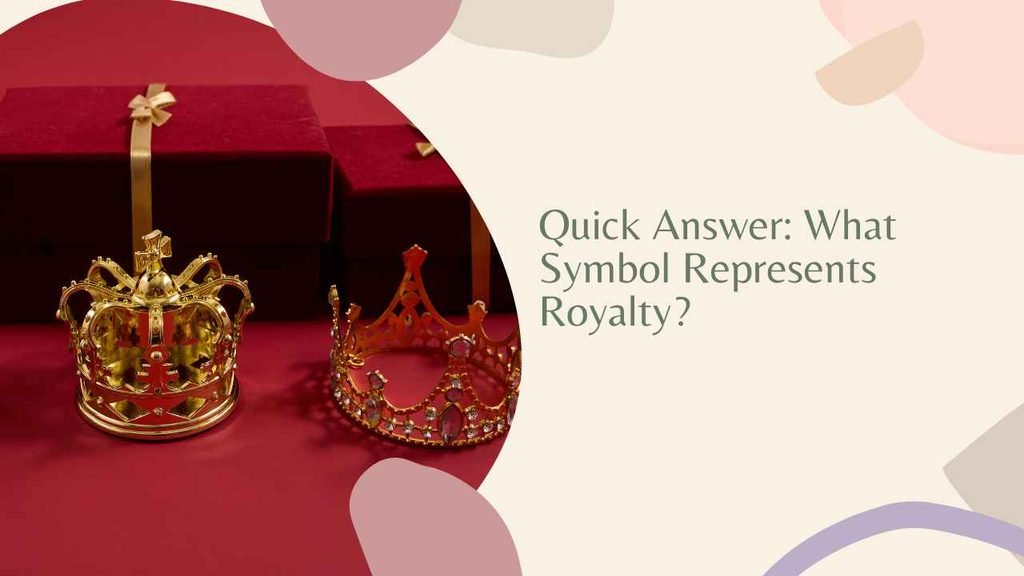
The crown is the most widely recognized symbol of royalty. Across many cultures, it is associated with leadership, authority, honor, and responsibility. Other common royal symbols include the lion, fleur-de-lis, scepter, eagle, and coat of arms, each carrying unique historical and cultural meanings.
What Are Royal Symbols?
Royal symbols are images, emblems, and objects traditionally connected with monarchs, noble families, and ruling dynasties. They have been used throughout history to identify kingdoms, represent authority, and communicate values such as justice, protection, and heritage.
Their meanings often depend on where and how they are used. For example:
- A crown may symbolize leadership or achievement.
- A lion can suggest bravery and nobility.
- An eagle may be linked to vision and strength.
- A coat of arms often reflects family history.
Today, royal symbols appear in tattoos, logos, jewelry, family crests, social media branding, and home décor. While many are historical, they continue to inspire modern designs and personal expression.
Royal Symbols Comparison Table
| Symbol | Main Meaning | Best Use |
| Crown | Authority and honor | Tattoos, logos, jewelry |
| Lion | Courage and nobility | Family crests, branding |
| Fleur-de-Lis | Purity and heritage | Fashion, logos |
| Eagle | Vision and leadership | Emblems, posters |
| Scepter | Rule and responsibility | Artwork, symbolism |
| Throne | Leadership | Decorative designs |
| Coat of Arms | Family identity | Genealogy projects |
| Orb | Sovereignty | Historical artwork |
| Phoenix | Renewal and legacy | Tattoos, personal symbols |
| Dragon | Protection and imperial power | Art and branding |
| Laurel Wreath | Victory and achievement | Awards, logos |
| Royal Seal | Authenticity and prestige | Business and creative design |
Crown: The Universal Symbol of Royalty
The crown remains the most recognizable emblem of kings and queens. It is often associated with authority, dignity, and responsibility rather than simple wealth.
Historically, crowns were worn during coronations and state ceremonies. Different cultures created their own styles, from jeweled European crowns to ceremonial headdresses in Asia and Africa.
Today, many people use crown imagery to celebrate personal achievements or to remind themselves to lead with confidence. It is also popular in fashion brands and jewelry.
Best for: Tattoos, logos, jewelry, social media branding, personal reminders
Royal Symbols Meaning
Royal symbols are special signs, objects, and designs associated with kings, queens, and royal families. They represent power, authority, dignity, wealth, and tradition. Some of the most recognizable royal symbols include crowns, thrones, royal seals, scepters, and coats of arms.
Each royal symbol has its own meaning and historical importance. For example, a crown often represents royal authority, while a scepter symbolizes leadership and power. These symbols have been used for centuries during coronations, official ceremonies, and important royal occasions.
Royal Symbols Copy and Paste
If you are looking for royal symbols to copy and paste, there are several decorative characters you can use in your social media posts, usernames, messages, and creative designs. Popular choices include ♛ ♕ ♔ ♚ 👑 ⚜️ and other crown-inspired symbols.
You can simply select your favorite symbol, copy it, and paste it wherever you want. However, remember that some symbols may look different depending on your device, browser, or font. Emoji such as 👑 may also have a different appearance on different platforms.
Royal Symbol Text
Royal symbol text is a popular way to give names, bios, captions, and messages an elegant or royal appearance. Crown symbols, decorative characters, and special Unicode text can help make ordinary writing look more stylish and eye-catching.
You can combine royal symbols with your name or favorite words to create a unique design. For example, ♛ Royal King ♛ or 👑 Queen 👑 can be used in profiles, gaming usernames, and social media descriptions.
Royal Symbols PNG
Royal symbols PNG images are useful for people who want high-quality graphics for invitations, posters, logos, presentations, and digital artwork. PNG files are especially popular because they can support transparent backgrounds, making it easier to place a royal design over different colors and backgrounds.
You can find PNG designs featuring crowns, royal shields, scepters, and other traditional symbols. Before using an image in a commercial project, check its copyright and licensing conditions to make sure you have permission to use it.
Royal Symbols Names
There are many different royal symbols, and each one has a specific name and meaning. Some well-known examples include the crown, royal scepter, orb, throne, royal seal, coat of arms, and fleur-de-lis. These objects and designs have played an important role in royal traditions throughout history.
Learning the names of royal symbols can help you understand their historical and cultural significance. For example, a royal orb traditionally represents the monarch’s authority, while a coat of arms identifies a royal family, kingdom, or noble lineage.
Royal Icons II
Royal icons are decorative graphics inspired by royalty, including crowns, castles, royal shields, and elegant emblems. They are commonly used in graphic design, digital projects, websites, and social media to create a luxurious or traditional appearance.
If you are searching for Royal Icons II, you may be looking for a particular collection or style of royal-themed icons. You can explore different crown designs, royal badges, and decorative illustrations to find a style that matches your project.
Royal Symbols Crossword Clue
Royal symbols sometimes appear in crossword puzzles, where the answer depends on the number of letters and the wording of the clue. Common answers may include crown, orb, scepter, throne, or crest, as these objects are closely connected with kings, queens, and royal traditions.
If you are solving a crossword clue about royal symbols, check the available letters and the length of the answer. A clue referring to a king’s headwear may point to a crown, while one describing a symbol of royal authority could refer to a scepter or orb.
Symbols of Royalty in Africa
Symbols of royalty in Africa have deep cultural and historical meanings. Different African kingdoms and traditional communities use special objects, clothing, colors, jewelry, and ceremonial designs to represent leadership, authority, identity, and heritage. Examples include royal stools, crowns, staffs, and traditional regalia.
For instance, the Golden Stool of the Ashanti people in Ghana is an important symbol of unity, identity, and spiritual authority. African royal symbols vary between cultures, and each has its own traditions and meanings that have been passed down through generations.
Lion: A Symbol of Nobility and Courage
Lions have appeared on royal banners and coats of arms for centuries. Their reputation as brave and commanding animals made them a natural fit for monarchs and noble families.
In heraldry, lions often symbolize courage, honor, and leadership. Countries such as England, Scotland, and several European nations have historically included lions in their royal imagery.
Modern designers frequently use lion symbols to communicate confidence and prestige. They also make striking tattoo designs due to their bold appearance.
Best for: Family crests, tattoos, business logos, wall art, heraldic designs
Fleur-de-Lis: A Mark of Heritage
The fleur-de-lis is a stylized lily closely connected with French royalty. Over time, it became a symbol of heritage, elegance, and tradition.
Although commonly associated with France, the fleur-de-lis has appeared in architecture, flags, and decorative arts across many regions. Its clean lines make it especially popular in modern design.
Many people choose this symbol to honor family ancestry or express appreciation for historical traditions.
Best for: Jewelry, tattoos, logos, family artwork, decorative pieces
Eagle: Leadership From Above
The eagle has long been linked with rulers because of its sharp vision and commanding presence. Ancient empires and royal houses often adopted eagles as symbols of leadership and protection.
Double-headed eagles are especially notable in Byzantine and Eastern European traditions. They can symbolize authority over different regions or spheres of influence.
Today, the eagle remains a favorite choice for brands seeking a timeless and distinguished identity.
Best for: Emblems, posters, logos, tattoos, patriotic designs
Scepter: The Staff of Authority
A scepter is a ceremonial staff carried by monarchs during official events. Rather than symbolizing personal power alone, it traditionally reflects the duty to govern wisely.
Throughout history, scepters have featured precious metals, gemstones, and religious motifs. They are often depicted alongside crowns and thrones in royal artwork.
Although less common in modern use, the scepter remains an elegant symbol for creative projects inspired by history and leadership.
Best for: Historical illustrations, educational content, ceremonial artwork, logos
Throne: The Seat of Leadership
The throne symbolizes the position of a ruler rather than the individual sitting upon it. It reminds us that leadership carries responsibility and accountability.
From ancient Egypt to modern constitutional monarchies, thrones have represented continuity and governance. Their designs vary greatly but often include intricate carvings and symbolic details.
People sometimes use throne imagery as motivation to “take their seat” in life and embrace leadership opportunities.
Best for: Inspirational art, office décor, posters, leadership branding
Coat of Arms: A Family Legacy
A coat of arms is one of the most personal royal symbols. Traditionally, it identified noble families and communicated their values through colors, animals, and objects.
Many families today explore genealogy and discover historical crests connected to their surnames. However, not every surname has an official coat of arms, so it’s important to research carefully.
Custom family crests are also popular as meaningful gifts and home decorations.
Best for: Family history projects, genealogy, wall art, custom gifts, stationery
Orb: A Symbol of Sovereignty
The royal orb is a ceremonial object often shown alongside a crown and scepter. It traditionally represents a ruler’s responsibility over their realm.
In many European coronation traditions, the orb includes a cross to symbolize faith and service. Its circular shape can also suggest unity and completeness.
Although less common than crowns or lions, the orb adds historical depth to royal-themed designs.
Best for: Historical artwork, educational materials, ceremonial designs
Phoenix: Royal Legacy and Renewal
The phoenix is not exclusively a royal symbol, but many cultures have connected it with renewal, endurance, and lasting legacy.
Because the mythical bird rises from its ashes, it is often chosen by people who have overcome challenges. In royal contexts, it can symbolize the continuation of a dynasty or the rebirth of a nation.
Its dramatic appearance makes it a standout option for tattoos and artistic projects.
Best for: Tattoos, personal symbols, artwork, motivational designs
Dragon: Imperial Power and Protection
Dragons hold special significance in many Asian traditions, particularly in imperial China. They have historically been associated with wisdom, prosperity, and heavenly authority.
Unlike Western stories that often portray dragons as adversaries, Eastern traditions may view them as guardians and symbols of good fortune.
Because dragons carry deep cultural meanings, it is important to understand their origins before using them in commercial or personal projects.
Best for: Tattoos, cultural artwork, branding, decorative pieces
Laurel Wreath: Honor and Achievement
The laurel wreath dates back to ancient Greece and Rome, where it was awarded to victors and respected leaders. Over time, it became associated with honor and accomplishment.
Royal families and institutions have used laurel designs to emphasize excellence and tradition. Its simple appearance works especially well in logos and certificates.
Many people choose laurel wreath tattoos as reminders of milestones and personal success.
Best for: Awards, logos, tattoos, certificates, achievement symbols
Royal Seal: Prestige and Authenticity
Royal seals were historically used to authenticate official documents. They served as marks of legitimacy and trust.
Today, seal-inspired designs are often used by luxury brands, publishers, and organizations seeking a classic look. A well-designed seal can communicate professionalism without appearing overly complex.
For modern audiences, the royal seal blends history with elegance.
Best for: Branding, packaging, invitations, logos, premium products
Best Royal Symbols for Tattoos
Royal symbols work particularly well as tattoos because they are visually meaningful and timeless.
Popular choices include:
- Crown
- Lion
- Fleur-de-Lis
- Phoenix
- Laurel Wreath
- Eagle
- Dragon
Small crown tattoos are ideal for minimal designs, while lions and dragons suit larger pieces. Matching crown tattoos are popular among couples and siblings, and family crest designs can create deeply personal artwork.
Best Royal Symbols for Logos and Design
If you’re creating a logo or brand identity, simplicity matters.
The best royal-inspired symbols for design include:
- Crown
- Laurel Wreath
- Fleur-de-Lis
- Royal Seal
- Eagle
- Lion
These symbols are easy to recognize and scale well across websites, social media profiles, business cards, and packaging. Avoid overly detailed designs if your logo will be displayed in smaller formats.
Best Royal Symbols for Family, Spiritual, or Personal Meaning
Royal symbols often carry meanings beyond kings and queens.
- Crown: Personal growth and self-respect.
- Lion: Family protection and courage.
- Phoenix: Starting over after difficult times.
- Laurel Wreath: Celebrating achievements.
- Coat of Arms: Honoring family heritage.
- Eagle: Vision and purpose.
Many people use these emblems as reminders of the values they want to live by rather than as statements about status or wealth.
Before Using Cultural or Sacred Symbols
Some royal symbols have deep cultural, religious, or spiritual roots. Dragons, imperial seals, and certain ceremonial objects may carry meanings that differ across traditions.
Before using any symbol in a tattoo, logo, or commercial product:
- Research its cultural background.
- Understand regional interpretations.
- Avoid making unsupported historical claims.
- Respect sacred or ceremonial significance.
- Consider consulting cultural resources when appropriate.
A symbol can become more meaningful when its history is understood and respected.
How to Choose the Right Symbol for Royalty
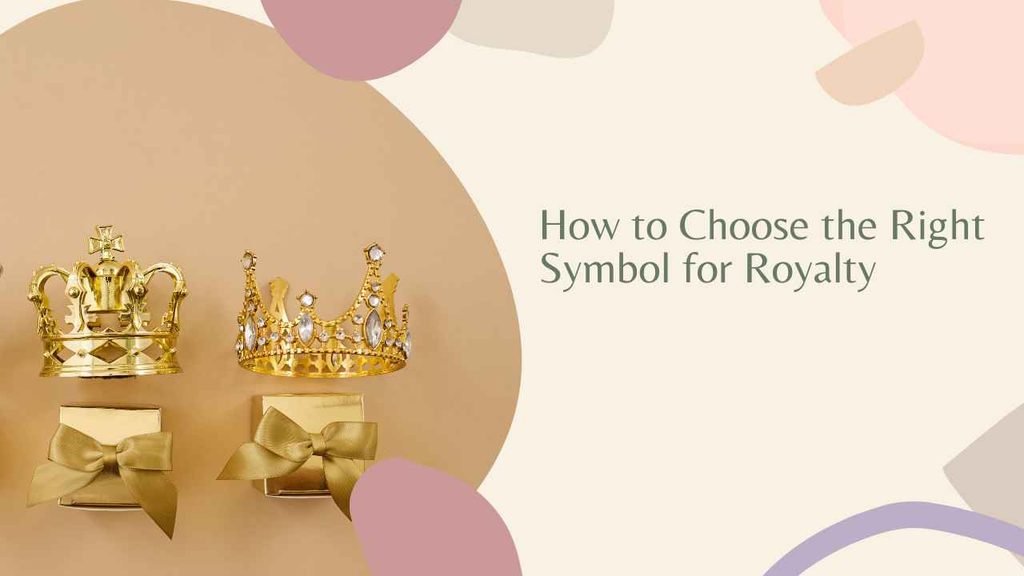
Choosing the right royal symbol depends on your goals.
Ask yourself:
- Does it reflect my personal values?
- Is it culturally appropriate?
- Will it work as a tattoo or logo?
- Does it honor family or heritage?
- Is the design simple and recognizable?
For leadership themes, choose a crown or eagle. For family connections, consider a coat of arms. If you want a symbol of resilience, the phoenix may feel more personal.
The best choice is often the one that tells your story.
FAQs About Royal Symbols
What is the best symbol for royalty?
The crown is generally considered the best symbol for royalty because it is instantly recognized worldwide. It symbolizes leadership, honor, and responsibility across many cultures.
What symbol represents royal family heritage?
A coat of arms is one of the most meaningful symbols for family heritage. It has traditionally been used to identify noble families and preserve historical identity.
What is a good royal symbols tattoo?
Popular choices include crowns, lions, phoenixes, and fleur-de-lis designs. The best tattoo depends on whether you value leadership, courage, legacy, or personal growth.
What animal represents royalty?
The lion is perhaps the most common royal animal, though eagles and dragons are also associated with rulers and noble traditions in different parts of the world.
What is the simplest royal symbol?
A minimalist crown is the simplest and most recognizable royal symbol. It works well for tattoos, logos, jewelry, and digital branding.
What color is associated with royalty?
Purple has long been associated with royalty in many cultures because it was historically rare and expensive to produce. Gold is also commonly linked with prestige and ceremonial traditions.
Can I use royal symbols in my business logo?
Yes, but it’s important to avoid copying official government or royal emblems. Original designs inspired by crowns, laurel wreaths, or lions can create a distinctive and professional brand identity.
Are royal symbols still relevant today?
Absolutely. Royal symbols continue to appear in fashion, branding, tattoos, and art because they communicate timeless ideas such as leadership, heritage, and achievement.
Final Thoughts
Royal symbols continue to inspire people because they connect history with personal meaning. Whether you’re drawn to a crown, lion, phoenix, or family crest, each emblem offers a different way to express values like leadership, courage, and legacy.
The right symbol isn’t necessarily the oldest or most famous one—it’s the one that feels meaningful to you and can be used thoughtfully and respectfully in your life.

I’m Sophia Bennett, and I have a passion for uncovering the meaning behind symbols used throughout history and across different cultures. I love researching mythology, nature, dreams, and spiritual traditions to explain how symbols shape our understanding of the world.
Writing for Symbolory allows me to share reliable, easy-to-read information that helps readers connect with the stories behind every symbol. My mission is to make symbolism interesting, practical, and accessible for everyone.
Books
- The World of Symbol Meanings
- Sacred Symbols and Modern Interpretations