Every spring, I find myself noticing the little things that make Easter feel special—the bright flowers, decorated eggs, and baskets waiting to be discovered. If you’ve ever wondered why these images appear year after year, you’re not alone.
The symbols of Easter tell stories that go far beyond holiday decorations. They carry meanings tied to faith, renewal, hope, family traditions, and cultural celebrations. Some have deep religious roots, while others grew from seasonal customs passed down through generations.
Whether you’re looking for inspiration for a tattoo, a meaningful piece of art, a logo design, or simply want to understand Easter traditions better, these symbols offer plenty to explore.
In this guide, you’ll discover the most recognized Easter symbols, what they mean, and how people continue to use them today.
Quick Answer: What Symbol Represents Easter?
The cross is widely considered the most important symbol of Easter because it reflects the death and resurrection of Jesus Christ, which is at the heart of the Christian celebration.
However, Easter is also commonly associated with eggs, lilies, rabbits, lambs, and butterflies. Together, these symbols highlight themes of new life, hope, renewal, and joy.
What Are Symbols of Easter?
Symbols of Easter are images, objects, animals, and plants connected to Easter traditions and celebrations. Their meanings vary depending on religious beliefs, cultural practices, and family customs.
For Christians, many Easter symbols focus on resurrection and spiritual renewal. For others, they may celebrate the arrival of spring, fresh beginnings, and time spent with loved ones.
Over time, Easter symbolism has become a blend of faith, history, and seasonal traditions. That’s why an Easter egg may mean one thing in a church setting and something entirely different at a family egg hunt.
Symbols of Easter Comparison Table
| Symbol | Main Meaning | Best Use |
| Cross | Resurrection and faith | Jewelry, tattoos, home décor |
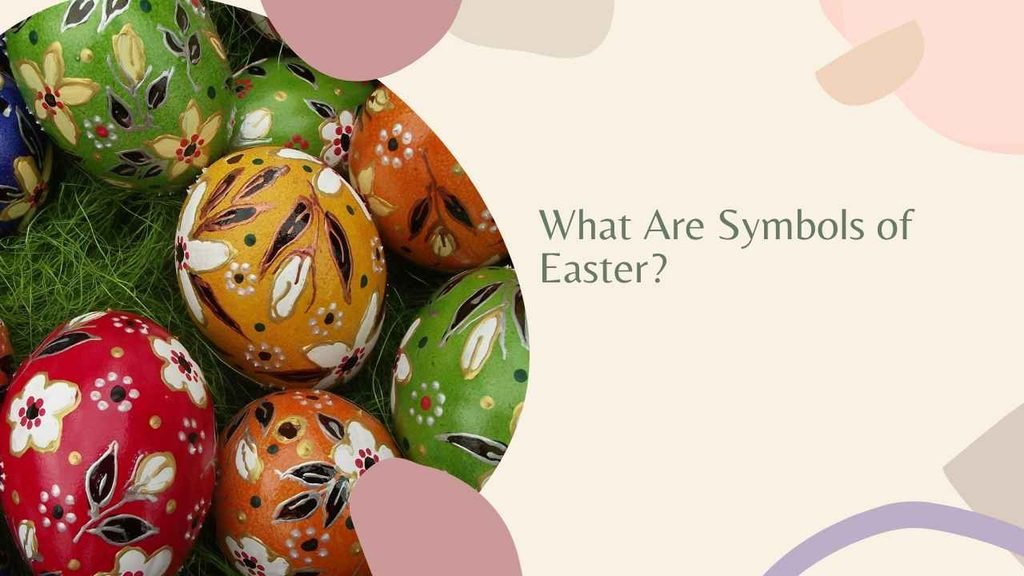
| Easter Egg | New life and rebirth | Art, family activities |
| Easter Bunny | Fertility and spring | Logos, children’s designs |
| Lily | Purity and hope | Floral arrangements |
| Lamb | Sacrifice and innocence | Religious artwork |
| Butterfly | Transformation | Tattoos, personal symbols |
| Sunrise | New beginnings | Photography, posters |
| Empty Tomb | Resurrection | Church materials |
| Chick | Fresh starts | Nursery art |
| Palm Branch | Victory and peace | Spiritual designs |
| Basket | Abundance and giving | Seasonal decorations |
| Dove | Peace and renewal | Logos and tattoos |
Cross: The Heart of Easter
The cross is the most recognized Easter symbol in Christianity. It reminds believers of the crucifixion of Jesus and the celebration of His resurrection on Easter Sunday.
While the cross is used year-round, it takes on special meaning during Easter because it reflects sacrifice, forgiveness, and hope. You’ll often see crosses displayed in churches, jewelry, and family keepsakes during the season.
Today, many people choose minimalist cross tattoos or include the symbol in memorial artwork and home décor.
Best for: Tattoos, necklaces, church art, memorial pieces, family heirlooms.
Easter Egg: A Symbol of New Life
Eggs have long been associated with new beginnings. Their connection to Easter comes from the idea of life emerging from what appears to be still and unchanged.
Decorating Easter eggs is a cherished tradition around the world. In many cultures, eggs are painted with detailed designs and shared among family members.
Modern Easter eggs appear in everything from greeting cards to social media graphics. They remain one of the easiest and most recognizable Easter images.
Best for: Family activities, children’s crafts, seasonal art, logo accents, home decorations.
Easter Bunny: Joy and Spring Traditions
The Easter Bunny is one of the most popular non-religious Easter symbols. It is often linked to springtime, abundance, and celebration.
Although the rabbit isn’t mentioned in the Bible, it became part of Easter folklore in Europe and eventually spread worldwide. Today, it plays a major role in children’s Easter traditions.
You’ll find bunny designs on greeting cards, party decorations, and branding for seasonal events.
Best for: Children’s logos, event branding, illustrations, greeting cards, party themes.
Easter Lily: Purity and Hope
The white Easter lily is closely connected with themes of purity, peace, and renewal. Its bright appearance makes it a favorite flower during Easter celebrations.
Churches often display lilies during Easter services, and many families use them to decorate their homes. Their blooming season aligns naturally with spring, making them an enduring symbol of fresh beginnings.
A simple lily illustration can also make a beautiful tattoo or elegant design element.
Best for: Floral arrangements, tattoos, wedding art, spiritual designs, home décor.
Lamb: Innocence and Sacrifice
The lamb carries deep religious significance during Easter. In Christian traditions, Jesus is often referred to as the “Lamb of God,” connecting the symbol to sacrifice and redemption.
Outside religious settings, lamb imagery is also associated with gentleness, innocence, and care. It appears in Easter books, children’s illustrations, and family celebrations.
Its soft and timeless appearance makes it a meaningful symbol across generations.
Best for: Religious artwork, nursery designs, church materials, family keepsakes, illustrations.
Butterfly: Transformation and Renewal
Butterflies are often seen as symbols of change. Their life cycle—from caterpillar to butterfly—makes them a fitting representation of transformation and new beginnings.
Many people connect butterflies with Easter because they mirror themes of renewal and hope. They are especially popular for meaningful tattoos and memorial pieces.
A butterfly design works beautifully on its own or paired with flowers and inspirational quotes.
Best for: Tattoos, journals, memorial art, jewelry, personal reminders.
Sunrise: The Promise of a New Day
Sunrise services are an important Easter tradition in many Christian communities. Watching the sun rise on Easter morning symbolizes hope and the beginning of a new chapter.
Even outside religious contexts, a sunrise can remind us that difficult seasons eventually pass. It offers a message that resonates with many people.
Sunrise imagery is common in posters, photography, and inspirational artwork.
Best for: Wall art, photography, posters, spiritual spaces, digital backgrounds.
Empty Tomb: Resurrection and Victory
The empty tomb is one of the most meaningful Easter symbols in Christianity. It represents the belief that Jesus rose from the dead, bringing hope to believers around the world.
Unlike decorative Easter symbols, the empty tomb focuses entirely on the spiritual message of the holiday. It is frequently featured in church presentations and Easter programs.
Its meaning is simple yet profound: life overcoming death.
Best for: Church graphics, religious education, Easter programs, devotional materials, artwork.
Chick: Celebrating Fresh Beginnings
Baby chicks are another symbol tied to Easter and spring. Their arrival during the season naturally connects them with ideas of growth and new opportunities.
Their cheerful appearance makes them a favorite for children’s books, classroom activities, and Easter crafts.
A chick may not carry the same religious significance as the cross or lamb, but it continues to be a beloved part of Easter celebrations worldwide.
Best for: Classroom materials, children’s art, stickers, greeting cards, seasonal décor.
Palm Branch: Peace and Celebration
Palm branches are traditionally associated with Palm Sunday, which takes place one week before Easter. They symbolize honor, victory, and peace.
In many churches, palm leaves are distributed during special services to remember Jesus’ arrival in Jerusalem.
Today, palm branch designs are also used in artwork and meaningful tattoos because of their elegant and timeless appearance.
Best for: Spiritual tattoos, church events, wall art, logos, decorative prints.
Basket: Giving and Celebration
The Easter basket symbolizes generosity, abundance, and shared traditions. For many families, receiving an Easter basket is one of the highlights of the holiday.
Filled with treats, toys, and eggs, baskets have become a cherished part of Easter celebrations across many cultures.
Their image works particularly well in seasonal marketing and family-focused designs.
Best for: Event promotions, holiday branding, family traditions, decorations, gift designs.
Dove: Peace and Renewal
The dove is often associated with peace, faith, and spiritual renewal. Its clean and simple appearance makes it one of the most versatile Easter symbols.
Many people incorporate doves into tattoos, logos, and memorial artwork because of their universal message.
Unlike some symbols that are tied to a single tradition, the dove speaks to people from many different backgrounds.
Best for: Logos, tattoos, memorial pieces, spiritual art, jewelry.
Best Symbols of Easter for Tattoos
Meaningful Easter tattoos often focus on themes of hope, faith, and transformation. Simpler designs tend to age well and remain timeless.
Popular Easter tattoo ideas include:
- Cross
- Butterfly
- Easter lily
- Dove
- Palm branch
- Sunrise
- Lamb
- Empty tomb
Small wrist tattoos, matching family tattoos, and minimalist designs remain especially popular for Easter-inspired artwork.
Best Symbols of Easter for Logos and Design
When using Easter imagery in logos or creative projects, simplicity matters. Symbols should be easy to recognize and work well in different sizes.
Some of the best choices include:
- Easter egg
- Bunny silhouette
- Lily outline
- Dove
- Basket icon
- Sunrise
- Cross
These symbols are commonly used for seasonal promotions, church events, social media graphics, and holiday branding.
Best Symbols of Easter for Family, Spiritual, or Personal Meaning
Different Easter symbols resonate with people in different ways.
- For family traditions: Easter eggs, baskets, and chicks.
- For spiritual meaning: Cross, empty tomb, lamb, and palm branch.
- For personal growth: Butterfly and sunrise.
- For peace and reflection: Dove and lily.
Choosing a symbol often comes down to the story you want to tell. Some people honor their faith, while others celebrate renewal, healing, or cherished family memories.
Before Using Cultural or Sacred Symbols
Many Easter symbols carry religious or cultural significance. Before using them in tattoos, products, or commercial projects, it’s worth learning about their origins.
For example, the cross and empty tomb hold sacred meaning for many Christians. Using them respectfully helps preserve their importance.
Keep in mind that meanings can vary by culture and tradition. A symbol that feels personal to one person may carry a different message for someone else.
Understanding context allows you to appreciate these symbols more deeply and use them thoughtfully.
How to Choose the Right Symbol for Easter
Choosing the right Easter symbol depends on your purpose.
Ask yourself:
- Does this symbol have personal meaning?
- Is it appropriate for a tattoo or logo?
- Does it respect its cultural or religious origins?
- Will it remain meaningful over time?
- Is it visually simple and easy to recognize?
A butterfly may be perfect for someone celebrating a new chapter in life, while a cross might reflect faith and tradition. There isn’t a single “right” choice—only the one that speaks most clearly to you.
FAQs About Symbols of Easter
What is the best symbol for Easter?
The cross is generally considered the most important Easter symbol because it reflects the resurrection story central to Christian beliefs. Eggs are the most widely recognized secular Easter symbol.
What symbol represents new life at Easter?
The Easter egg is the most common symbol of new life. Butterflies, chicks, and spring flowers like lilies also carry similar meanings.
What is a good Easter tattoo?
Popular Easter tattoos include crosses, butterflies, lilies, and doves. Minimalist designs work particularly well and remain meaningful over time.
What symbol represents peace during Easter?
The dove is widely associated with peace, hope, and spiritual renewal, making it a popular Easter symbol in both religious and personal contexts.
What is the simplest Easter symbol?
An Easter egg is one of the simplest and easiest symbols to recognize. Its shape works well in logos, decorations, and creative designs.
What animal is associated with Easter?
The Easter Bunny is the animal most closely associated with modern Easter celebrations. Lambs, doves, and chicks are also commonly connected to the holiday.
What color represents Easter?
White, gold, and pastel shades are often linked to Easter. White symbolizes purity, while soft colors reflect the arrival of spring and renewal.
Are Easter symbols the same worldwide?
No. Easter traditions differ across countries and cultures. While symbols like eggs and crosses are common, local customs often introduce unique elements and meanings.
Final Thoughts
The symbols of Easter remind us that this season is about more than decorations and traditions. They tell stories of hope, renewal, faith, and family that continue to resonate across generations.
Whether you’re drawn to the simplicity of an Easter egg, the spiritual meaning of the cross, or the transformation symbolized by a butterfly, these timeless images offer something meaningful for everyone. Sometimes, the right symbol becomes more than a tradition—it becomes a personal reminder of what matters most.

I’m Sophia Bennett, and I have a passion for uncovering the meaning behind symbols used throughout history and across different cultures. I love researching mythology, nature, dreams, and spiritual traditions to explain how symbols shape our understanding of the world.
Writing for Symbolory allows me to share reliable, easy-to-read information that helps readers connect with the stories behind every symbol. My mission is to make symbolism interesting, practical, and accessible for everyone.
Books
- The World of Symbol Meanings
- Sacred Symbols and Modern Interpretations