
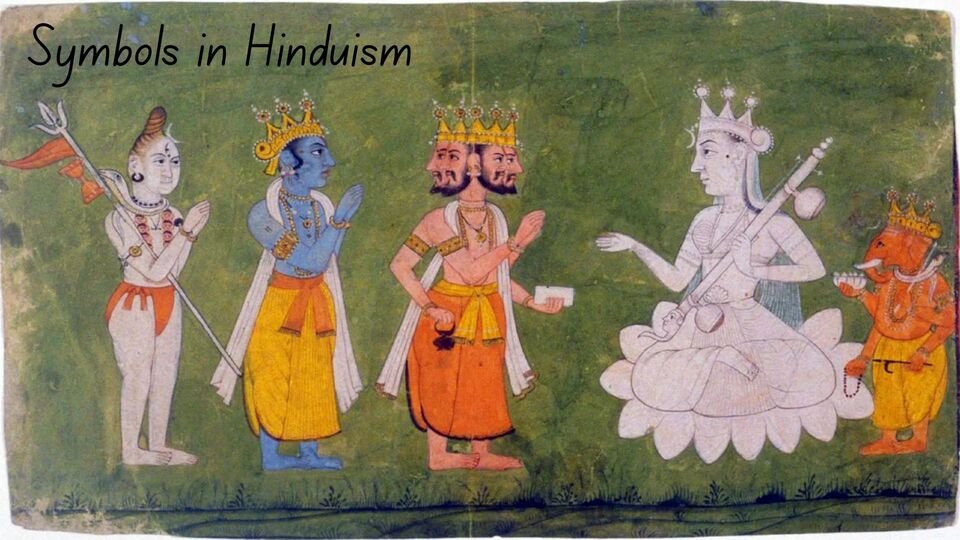
Hinduism is one of the world’s oldest living traditions, and its symbols carry deep spiritual, philosophical, and cultural meanings. From sacred sounds and divine marks to animals, objects, and geometric designs, symbols in Hinduism help followers understand complex ideas about life, creation, devotion, and the universe.
These symbols are not just decorations. Each one represents a belief, a story, or a spiritual principle passed through thousands of years of Hindu history. Many symbols appear in temples, homes, festivals, meditation practices, and religious ceremonies.
Understanding Hindu symbols provides a deeper look into Hindu philosophy and its connection with nature, gods, and human consciousness. Whether you are researching Indian culture, visiting Hindu temples, or learning about world religions, these symbols reveal the rich spiritual heritage of Hinduism.
Quick Facts About Symbols in Hinduism
| Category | Details |
| Religion | Hinduism |
| Origin | Ancient Indian civilization |
| Main Purpose | Represent spiritual beliefs, deities, cosmic principles, and traditions |
| Common Symbols | Om, Swastika, Lotus, Trishul, Diya, Mandala, Cow, Ganesha symbols |
| Historical Period | Thousands of years old, with roots in Vedic traditions |
| Used In | Temples, festivals, homes, rituals, meditation, and artwork |
| Importance | Connect physical objects with spiritual meanings |
Background and Meaning of Symbols in Hinduism
Symbols in Hinduism serve as a bridge between the visible world and spiritual ideas. Hindu philosophy often describes the universe as having deeper meanings beyond what humans can see, and symbols help express these invisible concepts.
Unlike simple logos or signs, Hindu symbols often have multiple layers of interpretation. A single symbol may represent a deity, a universal truth, a moral value, or a spiritual practice.
For example, the symbol Om represents the sound of the universe and the connection between individual consciousness and ultimate reality. The lotus symbolizes purity because it grows from muddy water while remaining beautiful and clean.
Many Hindu symbols developed through ancient scriptures such as the Vedas, Upanishads, and Puranas. Over time, they became part of daily life, religious ceremonies, architecture, and artistic traditions.
History and Development of Hindu Symbols
The history of Hindu symbols goes back thousands of years to ancient India. Archaeological discoveries from the Indus Valley Civilization show early examples of religious imagery and symbolic designs, although scholars continue to study their exact meanings.
During the Vedic period, symbols became closely connected with rituals, nature worship, and cosmic ideas. Fire, the sun, water, and sacred animals held important spiritual roles.
As Hindu traditions developed, symbols became associated with specific deities. For example:
- Lord Shiva became connected with the Trishul and Shiva Lingam.
- Lord Vishnu became associated with the Sudarshan Chakra and conch shell.
- Goddess Lakshmi became connected with the lotus flower.
- Lord Ganesha became represented through elephant imagery.
Over centuries, these symbols spread across India and influenced Hindu art, temple designs, festivals, and spiritual practices.
20 Interesting Facts About Symbols in Hinduism
1. Om Is Considered the Sacred Sound of the Universe
Om, also written as Aum, is one of the most recognized symbols in Hinduism. It represents the essence of ultimate reality and is often chanted during meditation and prayers.
The three sounds in Om are traditionally connected with different aspects of existence: creation, preservation, and transformation. Many practitioners believe chanting Om helps create mental focus and spiritual awareness.
2. The Lotus Symbol Represents Spiritual Purity
The lotus flower is one of the most important symbols in Hindu culture. It grows in muddy water but rises above the surface as a beautiful flower.
This quality represents the idea that humans can overcome difficulties and remain pure despite challenges. Many Hindu deities, including Goddess Lakshmi and Lord Brahma, are shown with lotus imagery.
3. The Swastika Has Ancient Hindu Meaning
The swastika is an ancient symbol found in Hindu traditions for thousands of years. In Hinduism, it represents good fortune, prosperity, balance, and positive energy.
The symbol has been used in temples, homes, ceremonies, and festivals. Its meaning in Hindu culture is completely different from its later misuse by extremist groups in modern history.
4. The Trishul Represents Divine Power
The Trishul, or three-pointed trident, is associated with Lord Shiva. Its three points are often interpreted as representing different cosmic forces.
It symbolizes protection, spiritual strength, and the ability to overcome negative forces. Many Shiva temples display the Trishul as a sacred emblem.
5. The Diya Represents Light Over Darkness
A diya, or oil lamp, is commonly used in Hindu prayers and festivals. Lighting a diya symbolizes knowledge, hope, and the victory of light over ignorance.
During festivals like Diwali, millions of diyas are lit to represent happiness, prosperity, and spiritual awakening.
6. The Cow Is a Symbol of Respect and Compassion
The cow holds a special place in Hindu culture. It is traditionally associated with kindness, nourishment, and motherhood.
Many Hindus consider cows sacred because of their connection with agricultural life and their importance in traditional society.
7. The Ganesha Symbol Represents New Beginnings
Lord Ganesha, recognized by his elephant head, is one of the most popular Hindu deities. His image is commonly placed in homes and businesses.
Ganesha symbolizes wisdom, success, and the removal of obstacles. Many people worship him before starting important activities.
8. The Shiva Lingam Represents Creation and Cosmic Energy
The Shiva Lingam is a sacred symbol connected with Lord Shiva. It represents creation, divine energy, and the connection between physical and spiritual existence.
It is commonly found in Shiva temples where devotees offer prayers and water as part of worship.
9. The Conch Shell Symbolizes Purity and Victory
The conch shell, known as Shankha, is associated with Lord Vishnu. It is traditionally blown during religious ceremonies.
Its sound is believed to create a sacred atmosphere and represent the victory of good over evil.
10. The Sudarshan Chakra Represents Divine Protection
The Sudarshan Chakra is a powerful circular weapon associated with Lord Vishnu.
It symbolizes protection, righteousness, and the power of divine order. Hindu traditions often describe it as representing the control of time and cosmic balance.
11. The Mandala Represents the Universe
Mandalas are geometric designs used in Hindu meditation and spiritual practices.
Their circular patterns represent harmony, balance, and the structure of the universe. They are often used as tools for concentration during meditation.
12. The Banyan Tree Is a Symbol of Immortality
The banyan tree has deep cultural and spiritual importance in Hinduism. Its long lifespan and spreading roots symbolize eternal life and connection.
Many ancient traditions consider it a sacred place for meditation and reflection.
13. The Sacred Thread Represents Spiritual Responsibility
The sacred thread, known as Janeu or Yajnopavita, is worn by some Hindu communities during religious ceremonies.
It represents learning, discipline, and responsibility toward spiritual knowledge.
14. The Peacock Represents Beauty and Divine Qualities
The peacock is connected with several Hindu traditions and deities, including Lord Krishna and Goddess Saraswati.
It symbolizes beauty, wisdom, pride transformed into humility, and artistic expression.
15. The Elephant Symbolizes Wisdom and Strength
Elephants are respected in Hindu culture because they represent intelligence, patience, and power.
The elephant-headed form of Ganesha makes this animal one of the most recognizable Hindu symbols worldwide.
16. The Sun Represents Life and Energy
The Sun, known as Surya, has been worshipped in Hindu traditions for centuries.
It symbolizes life force, health, energy, and spiritual illumination. The practice of Surya Namaskar is connected with honoring the sun.
17. The Sacred River Symbol Represents Purification
Rivers, especially the Ganges River, hold deep spiritual importance in Hinduism.
Water symbolizes cleansing, renewal, and spiritual transformation. Many Hindu rituals involve sacred water.
18. The Tilak Represents Spiritual Identity
The tilak is a mark placed on the forehead during religious practices.
Different Hindu traditions use different tilak designs, and they may represent devotion, protection, or spiritual awareness.
19. The Kalash Represents Prosperity and Abundance
The Kalash is a sacred pot often used in Hindu ceremonies.
Filled with water and decorated with leaves and a coconut, it symbolizes prosperity, life, and positive energy.
20. The Wheel Symbol Represents Time and Dharma
The circular wheel appears in several Hindu traditions and represents movement, time, and cosmic order.
It reminds people that life is constantly changing and encourages living according to dharma, or righteous duty.
Culture and Traditions Connected With Hindu Symbols
Hindu symbols are deeply connected with everyday life and religious traditions. They appear during weddings, festivals, temple ceremonies, and personal prayers.
During Diwali, homes are decorated with diyas, rangoli designs, and auspicious symbols to welcome prosperity and happiness. During religious ceremonies, symbols such as Om, flowers, lamps, and sacred objects create a spiritual environment.
Many Hindu families place images of deities and symbols in their homes as reminders of faith, gratitude, and moral values. These symbols also appear in classical dance, architecture, jewelry, clothing, and artwork.
Famous Places Where Hindu Symbols Can Be Seen
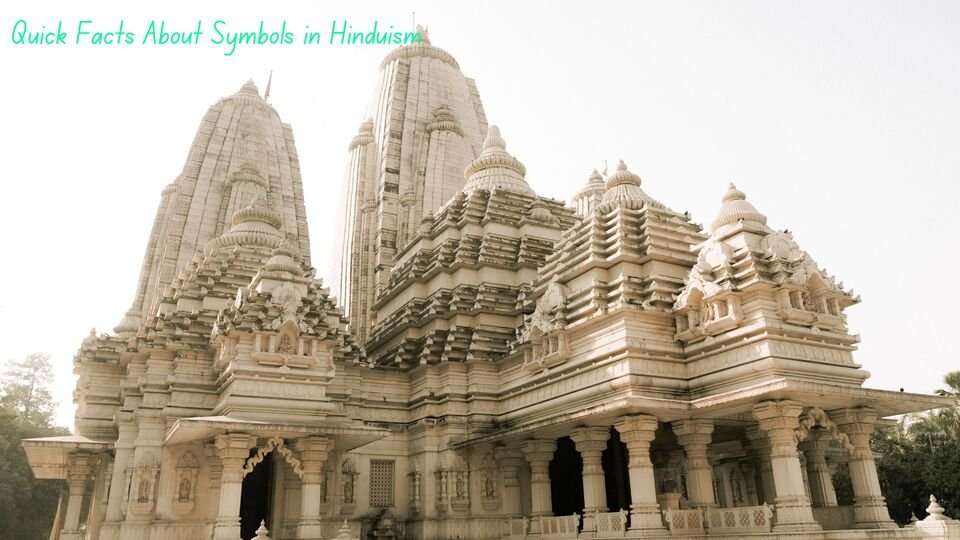
Hindu symbols are displayed in many historic temples and sacred places across India and other countries.
Some famous examples include:
- Kashi Vishwanath Temple – A major Shiva temple featuring traditional Hindu symbols.
- Meenakshi Temple – Famous for its detailed sculptures and religious artwork.
- Brihadeeswarar Temple – Known for ancient Hindu architecture and sacred designs.
These locations show how symbols are integrated into temple structures, sculptures, and religious practices.
Modern Importance of Hindu Symbols
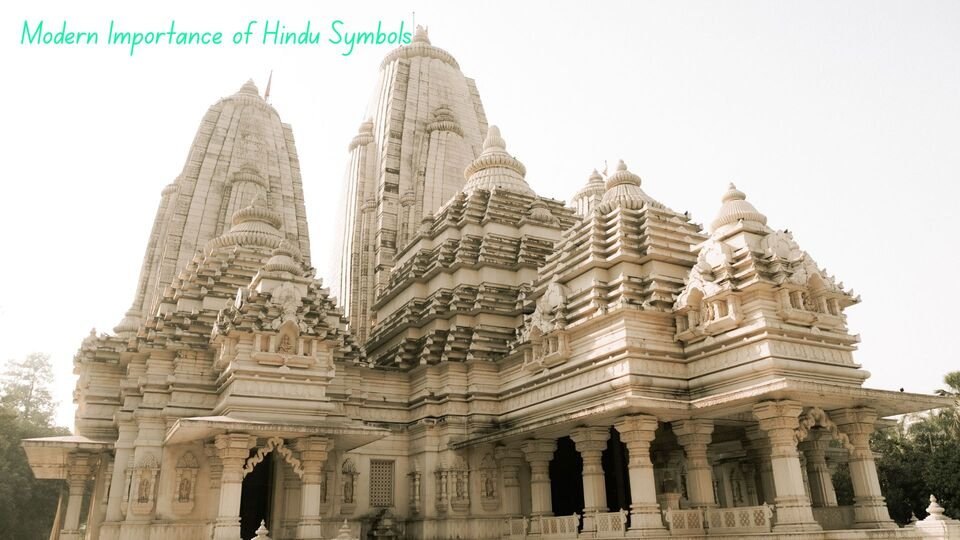
Today, Hindu symbols continue to influence art, design, spirituality, and global culture. Millions of people use them in meditation spaces, homes, festivals, and personal practices.
Yoga and meditation traditions have introduced symbols like Om and mandalas to people around the world. However, understanding their original cultural and spiritual meanings is important to show respect for Hindu traditions.
These symbols remain powerful because they connect ancient wisdom with modern spiritual exploration.
Frequently Asked Questions About Symbols in Hinduism
What is the most important symbol in Hinduism?
Om is often considered one of the most important symbols in Hinduism because it represents the sacred sound of the universe and ultimate reality.
What do Hindu symbols represent?
Hindu symbols represent spiritual ideas, deities, cosmic principles, moral values, and connections between humans and the divine.
Why is the lotus important in Hinduism?
The lotus symbolizes purity, spiritual growth, and the ability to remain positive despite difficult circumstances.
Is the swastika a Hindu symbol?
Yes, the swastika is an ancient Hindu symbol representing good fortune, prosperity, and positive energy. Its traditional meaning is different from its modern misuse.
Why are animals used as Hindu symbols?
Animals in Hinduism often represent qualities such as wisdom, strength, protection, and compassion.
What does Om mean in Hinduism?
Om represents the universal sound and the connection between individual consciousness and the supreme reality.
Where can Hindu symbols be found?
Hindu symbols can be found in temples, homes, festivals, religious ceremonies, artwork, jewelry, and meditation practices.
Conclusion
Symbols in Hinduism are much more than artistic designs. They represent thousands of years of spiritual knowledge, cultural traditions, and philosophical ideas. From Om and the lotus to the Trishul and diya, each symbol carries a unique message about life, balance, devotion, and the universe.
Learning about these symbols helps people better understand Hindu beliefs and appreciate one of the world’s oldest spiritual traditions. Whether seen in temples, festivals, or daily practices, Hindu symbols continue to connect ancient wisdom with modern life.
Meta Description:
Discover symbols in Hinduism with their meanings, history, cultural importance, and 20 fascinating facts about sacred Hindu symbols and traditions.

 Sophia Bennett
 Amelia Hart