Turkish symbols carry stories of history, identity, spirituality, and everyday life. From ancient emblems to modern designs, these symbols reflect the rich traditions of Turkish culture and the values people continue to cherish today. When I explore Turkish symbols, I find that each one has a unique story behind it.
if you are looking for a meaningful tattoo, a logo idea, or a cultural design, understanding the background of a symbol helps you use it with respect. In this guide, you will discover popular Turkish symbols, their meanings, and how they are used in modern life.
Quick Answer: What Symbol Represents Turkey?
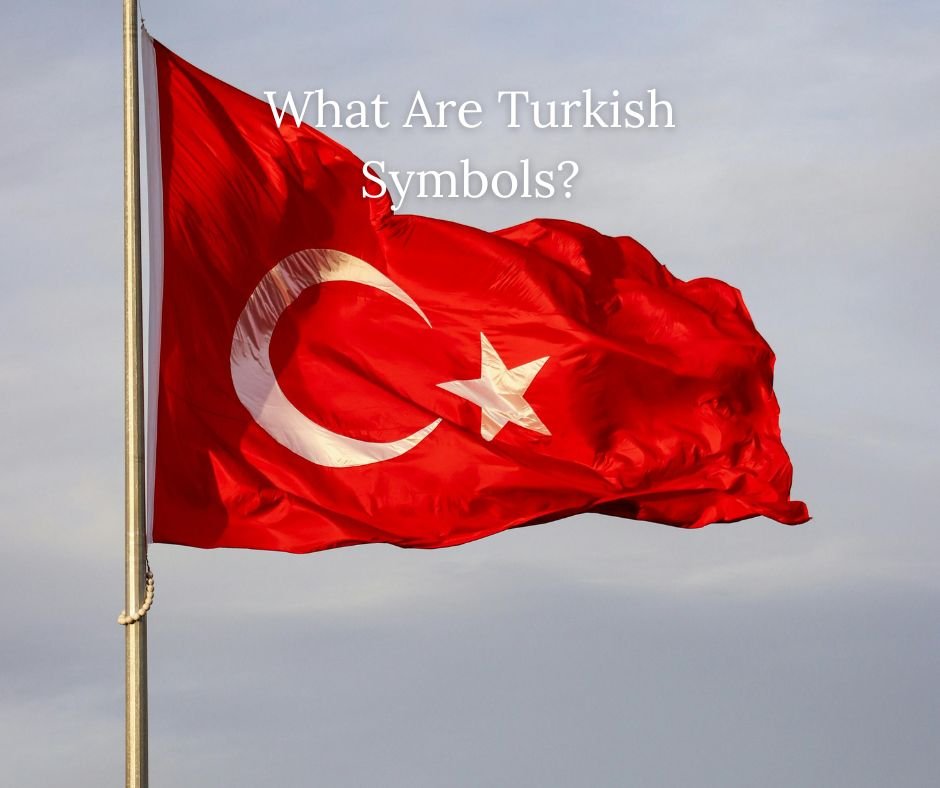
The most recognized symbol representing Turkey is the crescent and star (Ay Yıldız). It appears on the Turkish flag and is strongly connected with Turkish national identity, history, and pride. Other important Turkish symbols include the wolf symbol (Bozkurt), tulip, evil eye (Nazar Boncuğu), Ottoman motifs, and traditional patterns used in Turkish art.
What Are Turkish Symbols?
Turkish symbols are visual signs, objects, patterns, animals, and designs connected with Turkish history, culture, beliefs, and traditions. These symbols can be found in flags, architecture, jewelry, clothing, artwork, tattoos, and modern branding.
The meanings of Turkish symbols can change depending on the time period, region, and personal interpretation. Some come from the Ottoman era, some from Turkic traditions, and others are linked with daily customs and spiritual beliefs.
Many people use these symbols because they feel connected to heritage, family roots, courage, protection, beauty, or cultural identity. However, it is always important to understand the background of a symbol before using it in personal or commercial designs.
Turkish Symbols Comparison Table
| Symbol | Main Meaning | Best Use |
| Crescent and Star (Ay Yıldız) | Turkish identity and national pride | Flags, tattoos, cultural designs |
| Nazar Boncuğu (Evil Eye) | Protection and good fortune | Jewelry, home decoration, tattoos |
| Grey Wolf (Bozkurt) | Turkic heritage and bravery | Tattoos, historical designs |
| Tulip | Beauty, elegance, Ottoman art | Logos, artwork, jewelry |
| Ottoman Tugra | Royal history and authority | Calligraphy, historical art |
| Turkish Flag | Unity and national identity | Clothing, symbols, decorations |
| Double-Headed Eagle | Power and guardianship | Architecture, artwork |
| Turkish Carpet Patterns | Tradition and craftsmanship | Home décor, fashion |
| Hamsa Hand | Protection and blessing | Jewelry, spiritual designs |
| Tree of Life | Growth and connection | Family art, tattoos |
| Seljuk Star | Balance and heritage | Architecture, logos |
| Rumi Patterns | Spiritual art and harmony | Decorative designs |
Top Turkish Symbols and Their Meanings
Crescent and Star (Ay Yıldız): The National Symbol of Turkey
The crescent and star, known as Ay Yıldız in Turkish, is the most famous of all Turkish symbols. It appears on the national flag and is closely associated with Turkish identity and pride.
The design has deep historical roots across different civilizations, and today it is recognized worldwide as a symbol connected with Turkey. For many people, it represents national belonging, unity, and cultural heritage.
The crescent and star is commonly used in flags, jewelry, clothing, artwork, and tattoos. Many people choose it as a reminder of their family background or connection to Turkish culture.
Best for:
- Cultural tattoos
- Flags and decorations
- Jewelry designs
- Heritage artwork
- Personal identity symbols
Nazar Boncuğu: The Turkish Evil Eye Symbol
The Nazar Boncuğu, often called the Turkish evil eye, is one of the most recognizable traditional symbols from Turkey. It is a blue glass charm traditionally associated with protection from negative energy and unwanted attention.
This symbol is commonly found in Turkish homes, jewelry, cars, and gifts. While beliefs around it vary, many people value it as a cultural tradition and a meaningful decorative item.
Its simple circular design and blue colors make it popular in modern fashion and creative designs. People often choose it because of its connection with protection and good wishes.
Best for:
- Bracelets and necklaces
- Home decorations
- Small tattoos
- Gift designs
- Cultural artwork
Bozkurt (Grey Wolf): A Symbol of Turkic Heritage
The Grey Wolf, known as Bozkurt, has an important place in Turkic mythology and cultural traditions. It is often connected with ideas of guidance, survival, freedom, and ancestral heritage.
The symbol appears in different contexts and can have different meanings depending on who uses it. For some, it represents connection to Turkic history and identity.
Because of its strong cultural associations, people should understand its background before using it in designs. It is especially meaningful for those who feel connected to Turkic traditions.
Best for:
- Heritage tattoos
- Historical artwork
- Cultural designs
- Personal identity symbols
- Traditional illustrations
Tulip: A Symbol of Beauty and Turkish Art
The tulip is closely connected with Turkish art and history, especially during the Ottoman period. It became a popular motif in ceramics, textiles, gardens, and decorative artwork.
Many people associate the tulip with elegance, beauty, and creativity. Unlike some symbols connected with power or protection, the tulip represents artistic expression and appreciation for nature.
Today, tulip designs appear in jewelry, logos, wallpapers, and modern artwork. Its simple shape makes it suitable for both traditional and contemporary designs.
Best for:
- Floral tattoos
- Fashion designs
- Logos
- Decorative art
- Jewelry patterns
Ottoman Tugra: A Symbol of Historical Authority
The Ottoman Tugra was a special calligraphic emblem used by Ottoman sultans as an official signature. It combined artistic writing with a unique visual style.
This symbol represents Ottoman history, administration, and traditional Islamic calligraphy. Because of its historical importance, it is often used by people interested in Ottoman culture and heritage.
Modern designers sometimes use tugra-inspired patterns in artwork and decorations. However, authentic historical designs should be used thoughtfully and respectfully.
Best for:
- Historical artwork
- Calligraphy designs
- Cultural collections
- Wall decorations
- Heritage projects
Double-Headed Eagle: A Symbol of Strength and Protection
The double-headed eagle appears in various historical traditions, including Anatolian and Seljuk-related artwork. It has often been associated with authority, guardianship, and balance.
In Turkish and Anatolian architecture, this symbol can be found in historical buildings and decorative elements. Its two heads are sometimes interpreted as representing awareness of different directions or responsibilities.
Today, it remains popular in historical designs and artistic projects.
Best for:
- Architecture-inspired designs
- Cultural artwork
- Logos
- Historical tattoos
- Decorative patterns
Turkish Carpet Patterns: Symbols of Tradition
Traditional Turkish carpets contain many symbols and patterns that carry cultural meanings. These designs often include geometric shapes, plants, animals, and repeated motifs.
Carpet symbols can express ideas related to family, protection, life, nature, and personal stories. The meaning of a pattern can vary depending on the region and tradition where it originated.
Today, Turkish carpet-inspired designs are used in interior decoration, fashion, and digital artwork.
Best for:
- Home décor
- Textile designs
- Artistic tattoos
- Fashion patterns
- Cultural projects
Turkish Symbols and Meanings
Turkish symbols represent a rich history of culture, spirituality, identity, and tradition. Many symbols are connected to protection, strength, freedom, and nature. From ancient designs to modern cultural expressions, each symbol carries a special meaning that reflects Turkish heritage and beliefs.
“The wolf represents courage and freedom.”
Meaning: The wolf symbolizes bravery, independence, and strength.
“The crescent moon shines with hope.”
Meaning: The crescent represents hope, faith, and new beginnings.
“The star guides the heart toward its destiny.”
Meaning: The star symbolizes guidance, dreams, and direction.
“The tulip blooms with beauty and grace.”
Meaning: The tulip represents beauty, elegance, and Turkish culture.
“The tree stands strong through every storm.”
Meaning: The tree symbolizes strength, life, and endurance.
“The eagle flies beyond every limit.”
Meaning: The eagle represents freedom, power, and ambition.
“Tradition keeps the spirit of a nation alive.”
Meaning: Cultural symbols help preserve Turkish history and identity.
Turkish Symbols Eye
The Turkish evil eye, commonly known as Nazar Boncuğu, is one of the most recognizable symbols in Turkish culture. It is traditionally believed to protect people against jealousy and negative energy. Its blue and white circular design is commonly seen in homes, jewelry, accessories, and decorative items.
“Let the evil eye pass without touching your soul.”
Meaning: Stay protected from jealousy and negativity.
“A blue eye watches over peaceful hearts.”
Meaning: The evil eye represents protection and peace.
“May good energy always surround you.”
Meaning: Welcome positivity and keep negativity away.
“Protection begins with a peaceful heart.”
Meaning: Inner peace is an important part of feeling safe.
“Keep your light safe from jealous eyes.”
Meaning: Protect your happiness from negative attention.
“A symbol of protection, a blessing of peace.”
Meaning: The evil eye represents safety and good wishes.
“Let kindness be stronger than every evil glance.”
Meaning: Goodness and kindness are more powerful than jealousy.
Turkish Symbols Copy and Paste
Turkish symbols can be used in social media bios, messages, captions, usernames, and creative designs. These characters and decorative symbols help express Turkish culture and identity through text. You can copy and paste the symbols below wherever they are supported.
“☪”
Meaning: A crescent symbol associated with Islamic tradition and commonly featured in Turkish cultural designs.
“★”
Meaning: Represents hope, dreams, guidance, and achievement.
“✦”
Meaning: A decorative star symbol representing light and beauty.
“❂”
Meaning: A decorative circular symbol that can represent harmony and balance.
“☽”
Meaning: A crescent moon symbol associated with night and new beginnings.
“❀”
Meaning: Represents flowers, beauty, nature, and growth.
“𐱅𐰇𐰼𐰜”
Meaning: Old Turkic script spelling associated with the word Turk.
Turkish Symbols Tattoos
Turkish-inspired tattoos combine meaningful cultural designs with personal expression. Popular choices include the crescent moon, wolf, evil eye, tulip, and traditional Turkic patterns. These designs can represent courage, protection, freedom, loyalty, and heritage. Choosing a symbol with personal meaning makes a tattoo more memorable and meaningful.
“My roots give me the strength to rise.”
Meaning: Your heritage gives you strength and confidence.
“A wolf’s heart knows the meaning of freedom.”
Meaning: Be independent, brave, and true to yourself.
“Protected by faith, guided by courage.”
Meaning: Believe in yourself and face challenges bravely.
“Born from history, shaped by destiny.”
Meaning: Your past helps shape your future.
“Strength lives within a fearless soul.”
Meaning: True strength comes from inside you.
“The moon reminds me to begin again.”
Meaning: Every ending can become a new beginning.
“My spirit will never lose its roots.”
Meaning: Always remember your culture and identity.
Turkish Symbol Text
Turkish symbol text combines letters, decorative characters, and cultural symbols to create attractive written expressions. It is often used in usernames, social media captions, digital artwork, and personal messages. Combining traditional symbols with meaningful words can create a distinctive style inspired by Turkish heritage.
“☪ Türk ruhu”
Meaning: Turkish spirit and cultural identity.
“✦ Güç ve cesaret”
Meaning: Strength and courage.
“☽ Ay ışığı”
Meaning: Moonlight and peaceful beauty.
“❀ Sevgi ve huzur”
Meaning: Love and peace.
“𐰴𐰆𐰺𐱅”
Meaning: An example of Old Turkic runic-style writing associated with Turkic script.
“★ Özgür ruh”
Meaning: Free spirit and independence.
“☪ Sonsuz umut”
Meaning: Endless hope and positivity.
Old Turkic Symbols
Old Turkic symbols come from ancient writing systems used by Turkic peoples, especially the Orkhon inscriptions. These historical characters are often called Old Turkic runes. They provide insight into ancient communication, leadership, identity, and cultural traditions. Today, they are appreciated for their historical importance and distinctive appearance.
“𐰉”
Meaning: An Old Turkic letter representing a sound in the ancient writing system.
“𐰴”
Meaning: An Old Turkic character used in historical inscriptions.
“𐰇”
Meaning: A character representing a vowel sound in Old Turkic writing.
“𐰢”
Meaning: An ancient Turkic letter representing a consonant sound.
“𐰼”
Meaning: A character found in the Old Turkic alphabet.
“𐰽”
Meaning: An Old Turkic script character used to represent a speech sound.
“𐱅𐰇𐰼𐰜”
Meaning: A well-known Old Turkic spelling associated with the word Turk.
Turkish Symbols Moon
The moon is an important visual symbol in Turkish culture and history. The crescent appears on the Turkish national flag alongside a star and is widely associated with Turkish identity. Moon-inspired designs also appear in jewelry, tattoos, decorations, and artwork, where they can represent hope, beauty, renewal, and spirituality.
“The crescent carries the light of hope.”
Meaning: The moon represents optimism and new beginnings.
“Even in darkness, the moon finds its light.”
Meaning: You can remain hopeful during difficult times.
“The moon watches over every silent dream.”
Meaning: Dreams and hopes remain alive even in quiet moments.
“A crescent symbolizes beauty in simplicity.”
Meaning: Simple things can carry deep meaning.
“Under the moon, every soul finds peace.”
Meaning: The moon represents calmness and tranquility.
“The night is brighter when hope shines.”
Meaning: Hope can make difficult times easier.
“My heart follows the light of the crescent.”
Meaning: Stay guided by your beliefs and dreams.
Turkish Symbols Alphabet
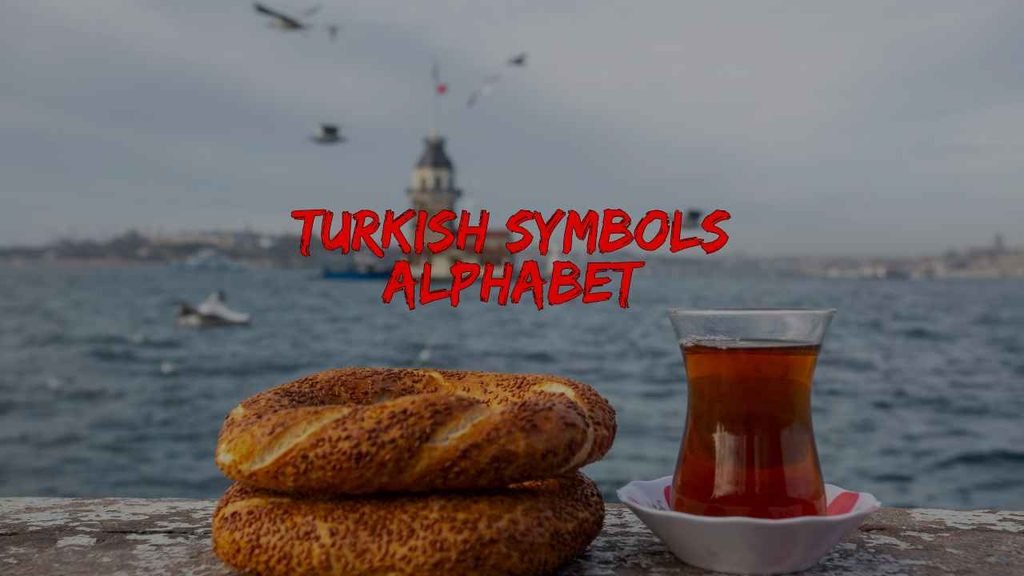
The Turkish alphabet is based on the Latin script and contains twenty-nine letters. It includes special characters such as Ç, Ğ, İ, Ö, Ş, and Ü. These letters give Turkish its distinctive written appearance. The modern Turkish alphabet was introduced in 1928, while the older Turkic writing systems have a separate historical tradition.
“A – Aşk”
Meaning: Love, affection, and deep emotional connection.
“Ç – Çiçek”
Meaning: Flower, representing beauty and growth.
“Ğ – Dağ”
Meaning: Mountain, symbolizing strength and stability.
“İ – İyilik”
Meaning: Kindness and goodness toward others.
“Ö – Özgürlük”
Meaning: Freedom and independence.
“Ş – Şans”
Meaning: Luck and good fortune.
“Ü – Ümit”
Meaning: Hope and belief in a better future.
Hamsa Hand: A Traditional Protective Symbol
The Hamsa hand is a symbol found across several cultures and traditions, including communities in the wider Middle Eastern and Mediterranean region. It is often associated with protection, blessings, and good fortune.
Because it has connections with different cultural and religious traditions, it should be used with awareness and respect.
Many people choose the Hamsa for jewelry, wall art, and tattoos because of its meaningful appearance.
Best for:
- Spiritual jewelry
- Decorative art
- Meaningful tattoos
- Gift items
- Home designs
Tree of Life: Growth and Family Connection
The Tree of Life is a widespread symbol found in many cultures, including artistic traditions connected with Anatolia. It is often associated with growth, family roots, and the connection between generations.
People commonly choose this symbol for family artwork or tattoos because the tree imagery naturally reflects ideas of life and continuity.
Its flexible design allows artists to create both simple and detailed versions.
Best for:
- Family tattoos
- Personalized artwork
- Wall designs
- Jewelry
- Meaningful gifts
Seljuk Star: Balance and Historical Design
The Seljuk star is a geometric pattern associated with Seljuk-era art and architecture. It is often seen in historical buildings, decorative tiles, and traditional designs.
Its symmetrical shape attracts people who appreciate balance, order, and classic artistic styles. Today, it is used in modern patterns, logos, and creative projects inspired by Turkish history.
Best for:
- Logos
- Architecture designs
- Decorative art
- Tattoos
- Cultural patterns
Rumi Patterns: Spiritual and Artistic Beauty
Rumi patterns are decorative motifs commonly found in Islamic and Turkish art. They often feature flowing plant-like designs that create a sense of movement and harmony.
These patterns are valued for their beauty and connection with traditional craftsmanship. They are often seen in manuscripts, tiles, textiles, and architecture.
Modern designers use Rumi-inspired patterns for elegant and timeless visuals.
Best for:
- Artwork
- Interior design
- Branding
- Decorative tattoos
- Cultural designs
Best Turkish Symbols for Tattoos
Choosing a Turkish symbol tattoo is a personal decision. The best design depends on your connection with the meaning, your cultural background, and the style you prefer.
Small tattoos often work well with simple designs like the crescent and star, Nazar Boncuğu, or tulip. Larger tattoos can include detailed patterns, Ottoman-inspired artwork, or traditional motifs.
Popular tattoo choices include:
- Crescent and star for cultural identity
- Nazar Boncuğu for protection symbolism
- Tulip for beauty and elegance
- Tree of Life for family meaning
- Bozkurt for heritage connections
- Rumi patterns for artistic designs
Best Turkish Symbols for Logos and Design
For logos and branding, simple and recognizable symbols usually work best. A good logo should be easy to understand at different sizes while keeping its cultural meaning.
The crescent and star, tulip, and geometric Turkish patterns are commonly suitable for creative designs. Businesses should avoid using sacred or culturally sensitive symbols without proper understanding.
Good design choices include:
- Minimal crescent and star icons
- Turkish-inspired patterns
- Tulip illustrations
- Geometric motifs
- Traditional decorative elements
Best Turkish Symbols for Family, Spiritual, or Personal Meaning
Many Turkish symbols are chosen because they connect people with memories, family history, and personal beliefs.
The tree of life can represent family roots, while the Nazar Boncuğu is often chosen as a reminder of protection and good wishes. The crescent and star may represent heritage and belonging.
The most meaningful symbol is usually the one that connects with your own story rather than simply looking attractive.
Before Using Cultural or Sacred Symbols
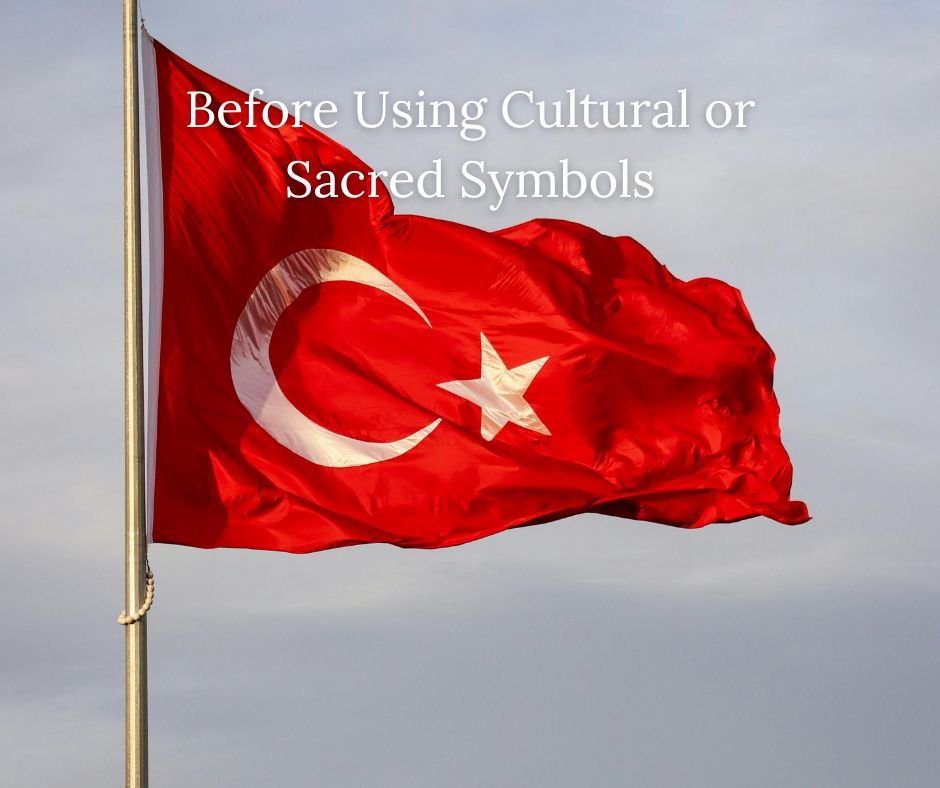
Some Turkish symbols have deep cultural, spiritual, or historical backgrounds. Before using them in tattoos, logos, products, or artwork, take time to learn their origins.
A symbol that looks beautiful may have meanings connected with specific communities or traditions. Respectful use helps preserve cultural appreciation and avoids misunderstandings.
Meanings can also change between regions and individuals, so context matters.
How to Choose the Right Turkish Symbol
Choosing the right symbol depends on what you want it to represent.
Consider these points:
- Choose a symbol with personal meaning.
- Learn the cultural background first.
- Pick a design that fits your purpose.
- Think about whether it works as a tattoo, logo, or decoration.
- Avoid using symbols only because they look trendy.
- Select a style that matches your personality.
A meaningful symbol often becomes more valuable when it connects with your own experiences.
FAQs About Turkish Symbols
What is the most famous Turkish symbol?
The crescent and star, known as Ay Yıldız, is the most famous Turkish symbol. It appears on the Turkish flag and is widely recognized as a representation of Turkish national identity and cultural pride.
What symbol represents Turkish culture?
Many symbols represent Turkish culture, including the crescent and star, tulip, Turkish carpet patterns, Ottoman designs, and Nazar Boncuğu. Each reflects different parts of Turkish history and tradition.
What is a good Turkish symbol tattoo?
Popular Turkish tattoo choices include the crescent and star, Nazar Boncuğu, tulip, and Bozkurt. The best choice depends on whether you want a design connected with heritage, beauty, protection, or personal meaning.
What Turkish symbol represents protection?
The Nazar Boncuğu is commonly associated with protection and is one of the most recognized protective symbols in Turkish culture. Many people use it in jewelry, decorations, and personal designs.
What is a simple Turkish symbol?
The crescent and star is one of the simplest and most recognizable Turkish symbols. Its clean shape makes it suitable for tattoos, logos, clothing, and artwork.
What animal represents Turkish heritage?
The Grey Wolf, or Bozkurt, is one animal associated with Turkic heritage and mythology. Its meaning can vary depending on cultural and personal interpretation.
What flower represents Turkey?
The tulip is strongly connected with Turkish art and history. It is often used in decorative designs, artwork, and cultural expressions.
Final Thoughts
Turkish symbols are more than simple designs; they carry stories of history, art, identity, and tradition. From the crescent and star to the tulip and Nazar Boncuğu, each symbol has its own meaning and place in culture. When choosing Turkish symbols for tattoos, logos, or personal designs, understanding their background makes the choice more meaningful and respectful.
A symbol becomes truly special when it connects with your own story while honoring the tradition behind it.

I’m Sophia Bennett, and I have a passion for uncovering the meaning behind symbols used throughout history and across different cultures. I love researching mythology, nature, dreams, and spiritual traditions to explain how symbols shape our understanding of the world.
Writing for Symbolory allows me to share reliable, easy-to-read information that helps readers connect with the stories behind every symbol. My mission is to make symbolism interesting, practical, and accessible for everyone.
Books
- The World of Symbol Meanings
- Sacred Symbols and Modern Interpretations
 Amelia Hart