Whenever I think about China, I picture more than just landmarks and history. I think about dragons dancing during festivals, red lanterns glowing at night, and pandas that have become loved around the world. If you’re exploring Chinese culture, designing artwork, planning a tattoo, or simply curious, understanding these symbols can help you appreciate their deeper meanings.
Many Chinese symbols have been passed down for centuries. Some are connected to luck and prosperity, while others reflect wisdom, harmony, and family values. You may have seen these symbols in movies, temples, logos, or celebrations without knowing what they mean.
In this guide, I’ll walk you through the most meaningful symbols of China, where they come from, and how people use them today.
Quick Answer: What Symbol Represents China?
The most widely recognized symbol of China is the Chinese dragon. Unlike Western dragons, the Chinese dragon is seen as a positive figure associated with strength, wisdom, prosperity, and good fortune. Other important symbols of China include the giant panda, red lanterns, the phoenix, the Great Wall, and the yin-yang symbol.
What Are Symbols of China?
Symbols of China are images, animals, objects, and cultural designs that reflect the country’s history, beliefs, and traditions. They help tell stories about Chinese values such as harmony, family, respect, success, and balance.
The meaning of a symbol can vary depending on its cultural setting. For example, a dragon in Chinese culture symbolizes blessing and authority, while in other cultures it may symbolize danger. Similarly, colors like red and gold carry special significance in Chinese traditions.
Today, these symbols appear in art, architecture, jewelry, tattoos, business logos, holiday decorations, and personal designs around the world.
Symbols of China Comparison Table
| Symbol | Main Meaning | Best Use |
| Chinese Dragon | Strength, prosperity, wisdom | Tattoos, logos, art |
| Giant Panda | Peace, friendship | Branding, family art |
| Red Lantern | Celebration, happiness | Home décor, events |
| Phoenix (Fenghuang) | Renewal, harmony | Jewelry, tattoos |
| Yin-Yang | Balance and harmony | Spiritual designs |
| Great Wall | Resilience and unity | Posters, education |
| Bamboo | Flexibility and endurance | Tattoos, décor |
| Chinese Knot | Good luck and unity | Gifts, ornaments |
| Lotus Flower | Purity and enlightenment | Spiritual tattoos |
| Jade | Protection and prosperity | Jewelry |
| Golden Carp (Koi) | Success and determination | Art, tattoos |
| Fu Character (福) | Blessings and good fortune | Home decoration |
Chinese Dragon: The Ultimate Symbol of China
The Chinese dragon is perhaps the most famous symbol associated with China. It has appeared in Chinese myths, imperial traditions, and festivals for thousands of years.
Unlike the fire-breathing dragons often seen in Western stories, the Chinese dragon is viewed as a guardian and a bringer of rain, prosperity, and wisdom. Historically, emperors used dragon imagery to show their authority and connection to heaven.
Today, you’ll find dragons in Lunar New Year celebrations, architecture, artwork, and tattoos. Their flowing shape makes them especially popular in body art and branding.
Best for: Tattoos, logos, cultural artwork, festival designs, personal inspiration.
Giant Panda: A Symbol of Peace and Friendship
The giant panda has become one of China’s most beloved national symbols. Native to China, pandas are admired for their gentle nature and distinctive black-and-white appearance.
In modern times, pandas have also become symbols of international friendship. China’s practice of “panda diplomacy” has helped strengthen cultural ties with other nations.
Pandas are commonly featured in educational materials, children’s products, and tourism campaigns. Their universal appeal makes them an excellent choice for family-friendly designs.
Best for: Family logos, children’s art, travel branding, educational projects, social media graphics.
Red Lantern: A Sign of Joy and Celebration
Red lanterns are an unforgettable part of Chinese celebrations. You’ll often see them during Lunar New Year, weddings, and festivals.
The color red is traditionally associated with happiness, success, and good fortune in Chinese culture. Hanging lanterns is believed to create a welcoming and festive atmosphere.
Because of their simple and recognizable shape, red lanterns are frequently used in event branding and decorative designs. They also make beautiful tattoo concepts for people who value joyful memories and cultural appreciation.
Best for: Event decorations, posters, home décor, festival branding, meaningful tattoos.
National Symbols of China
The national symbols of China represent the country’s identity, history, and traditions. Some symbols have official recognition under Chinese law, while others are widely respected because of their cultural or historical importance. The national flag, national emblem, and national anthem are among the country’s officially recognized state symbols.
Other familiar symbols include the giant panda, Chinese dragon, red-crowned crane, and peony. These represent different aspects of Chinese nature, mythology, and traditional culture. Understanding the difference between official national symbols and popular cultural symbols helps provide a more accurate picture of China.
Symbols of China with Names and Pictures
Some of the most recognizable symbols of China include the Five-Star Red Flag, the national emblem, the giant panda, and the Chinese dragon. Each has a different connection to Chinese identity, whether through government, history, wildlife, or traditional beliefs. Adding clear pictures with their names can make this section easier for readers and students to understand.
Other important symbols include the red-crowned crane, peony, Chinese knot, lantern, and traditional calligraphy. These cultural images appear in festivals, artwork, architecture, and everyday decorations. Together, they offer a glimpse into the traditions and values that make Chinese culture distinctive.
Symbols of China and Their Meanings

Chinese symbols often carry meanings that go beyond their appearance. For example, red is traditionally associated with happiness, good fortune, and celebration, while the dragon represents power, strength, and good luck in Chinese mythology. The giant panda is widely recognized as a symbol of China’s wildlife and conservation efforts.
The national emblem also has an important meaning. It features Tiananmen Gate, five stars, ears of grain, and a cogwheel. These elements represent important parts of the country’s political history and social structure. Learning about these meanings helps explain why certain images are so important in Chinese national and cultural life.
National Flag and National Emblem of China
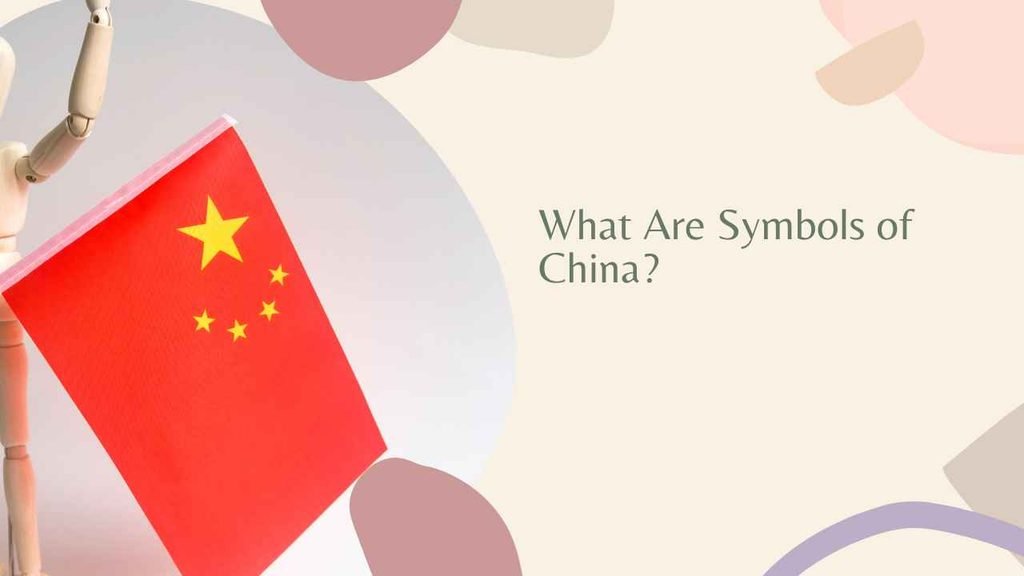
The national flag of China is known as the Five-Star Red Flag. It has a red background with one large golden star and four smaller stars in the upper-left corner. The red color represents revolution, while the five stars express the unity of the Chinese people under the leadership of the Communist Party of China. It is one of the most recognizable national symbols of the country.
The national emblem features Tiananmen Gate beneath five golden stars, surrounded by ears of grain and a cogwheel. Each element has a historical and political meaning connected to the founding of the People’s Republic of China. These official designs are established in China’s national laws and are important symbols of the country’s identity.
National Animal of China: Giant Panda
The giant panda is widely recognized as the national animal and one of the most famous symbols of China. With its black-and-white fur, round face, and gentle appearance, this animal has become a favorite around the world. Giant pandas are native to China and mainly live in mountainous forest areas, particularly in Sichuan, Shaanxi, and Gansu provinces.
Beyond its popularity, the panda represents China’s rich natural heritage and wildlife conservation efforts. It is also an important symbol in international diplomacy and environmental protection. Although the giant panda is not listed as an official national animal in China’s Constitution, it is widely regarded as a national treasure.
China National Bird
The red-crowned crane is commonly associated with China and is often described as its national bird in educational lists. It is a tall, elegant bird with white feathers, black wing markings, and a distinctive red patch on its head. In Chinese art and traditional culture, cranes are often connected with longevity, wisdom, peace, and good fortune.
However, it is important to understand that China does not have a clearly established official national bird under its national laws. The red-crowned crane is better described as a culturally significant bird rather than a legally designated national symbol. Including this distinction makes information about China’s national symbols more reliable.
Cultural Symbols of China
Chinese culture is represented by many traditional symbols that have been passed down through generations. The dragon, phoenix, red lantern, Chinese knot, and lucky characters are popular examples. They are commonly seen during festivals, weddings, celebrations, and other important occasions.
These cultural symbols often represent happiness, prosperity, protection, harmony, and good fortune. For example, red lanterns are especially popular during the Spring Festival, while Chinese knots are used as decorative ornaments and gifts. Such traditions help preserve China’s cultural identity and connect modern generations with their history.
The Four Symbols of China
The Four Symbols of China are four legendary creatures from ancient Chinese astronomy and mythology. They are the Azure Dragon of the East, the Vermilion Bird of the South, the White Tiger of the West, and the Black Tortoise of the North. Each creature is connected with a direction, a season, and a particular set of traditional beliefs.
These four creatures are important in Chinese mythology, traditional cosmology, and historical art. They should not be confused with the four official national symbols of modern China. Instead, they represent an ancient system of understanding the universe and the relationship between nature and human life.
National Flower and National Fruit of China
The peony is one of China’s most loved traditional flowers and is often called the country’s national flower in general reference lists. It is associated with beauty, honor, prosperity, and good fortune. However, China does not have a formally established national flower under its national laws, so it is more accurate to describe the peony as a widely recognized cultural floral symbol.
You may also find the kiwifruit listed as China’s national fruit on some websites. However, there is no clearly established official national fruit designation for China. China is a major producer of kiwifruit, and the fruit has an important agricultural connection to the country, but it should not be presented as an officially declared national symbol.
Currency Symbol of China
China’s official currency is the renminbi (RMB), which means “people’s currency.” Its basic unit is the yuan, represented by the symbol ¥. You will commonly see prices written using this symbol when shopping, dining, or traveling in mainland China.
The currency is an important part of the country’s economic identity and is used in everyday financial transactions. Although the yuan symbol is sometimes shared with other currencies, the context or currency code CNY helps identify China’s currency in international markets. The renminbi is therefore an important national and economic symbol of modern China.
Religious Symbols of China
China has a long history of religious and philosophical traditions, including Buddhism, Taoism, and Confucianism. Each tradition has its own symbols and teachings that have influenced Chinese art, architecture, festivals, and everyday life. The Dharma wheel is associated with Buddhism, while the yin-yang symbol is strongly connected with Taoist philosophy.
Other familiar religious and spiritual symbols include the lotus flower, the Bagua, and traditional temple designs. These symbols often express ideas such as balance, wisdom, harmony, and spiritual growth. Their meanings can vary depending on the tradition and context in which they are used.
National Symbols of China PDF
A national symbols of China PDF can be a useful resource for students, teachers, and anyone learning about the country’s history and culture. It can include pictures, names, and short explanations of important symbols such as the national flag, emblem, giant panda, dragon, and red-crowned crane. A simple table can also help readers remember each symbol and its meaning.
When preparing a PDF about China’s national symbols, it is important to separate officially recognized state symbols from traditional and commonly associated symbols. For example, the national flag and emblem have legal recognition, while the panda, peony, and red-crowned crane are better explained according to their cultural or popular status. This makes the document more informative and accurate.
Phoenix (Fenghuang): Harmony and Renewal
The Chinese phoenix, known as Fenghuang, symbolizes grace, virtue, and renewal. Traditionally, it is associated with peace and balance.
In Chinese culture, the dragon and phoenix are often paired together. The dragon traditionally symbolizes masculine energy, while the phoenix symbolizes feminine energy and harmony.
The phoenix remains popular in jewelry, wedding themes, and tattoo designs. Its elegant appearance makes it especially appealing for artistic interpretations.
Best for: Wedding designs, jewelry, tattoos, spiritual artwork, cultural gifts.
Yin-Yang: Balance in Life
Although Yin-Yang is often connected to broader Chinese philosophy, it remains one of the most recognized Chinese symbols worldwide.
The symbol teaches that opposite forces—light and dark, activity and rest, strength and gentleness—exist together in harmony. It reminds us that balance is an important part of everyday life.
Many people choose Yin-Yang tattoos or decorative pieces because of their simple design and timeless message.
Best for: Spiritual tattoos, meditation spaces, personal reminders, logos, minimalist artwork.
Great Wall of China: Strength Through Time
The Great Wall is more than a famous landmark. It represents endurance, protection, and the ability to overcome challenges.
Stretching across northern China, the wall has stood for centuries despite changing times. For many people, it serves as a reminder that lasting achievements require patience and determination.
Designers often use silhouettes of the Great Wall in travel campaigns, educational materials, and patriotic artwork.
Best for: Posters, travel branding, educational content, motivational designs, wall art.
Bamboo: Flexibility and Endurance
Bamboo holds a special place in Chinese art and philosophy. It bends in strong winds without breaking, making it a symbol of resilience and adaptability.
Artists have painted bamboo for centuries as a reminder that true strength often comes from flexibility. It is also associated with honesty and humility.
Its clean and minimalist appearance makes bamboo an excellent choice for tattoos and modern interior design.
Best for: Minimalist tattoos, home décor, meditation spaces, artwork, personal symbols.
Chinese Knot: Unity and Good Fortune
The Chinese knot is a traditional decorative craft made from a single piece of cord. Its endless loops symbolize unity, connection, and good fortune.
These knots are often displayed during holidays and given as gifts. They are especially meaningful because they reflect the importance of relationships and continuity.
Today, Chinese knots appear on keychains, ornaments, and cultural souvenirs around the world.
Best for: Gifts, family symbols, ornaments, cultural displays, handcrafted décor.
Lotus Flower: Purity and Enlightenment
The lotus flower grows from muddy water yet blooms beautifully, making it a symbol of purity and spiritual growth.
In Chinese traditions and neighboring cultures, the lotus reminds people that difficult circumstances can lead to personal development.
Its elegant appearance has made it one of the most popular tattoo choices worldwide. Many people also use lotus imagery in yoga and meditation spaces.
Best for: Spiritual tattoos, wellness branding, jewelry, meditation rooms, artwork.
Jade: Prosperity and Protection
Jade has been treasured in China for thousands of years. It is often associated with protection, wisdom, and prosperity.
Historically, jade was used in jewelry, ceremonial objects, and family heirlooms. Even today, many people wear jade pendants and bracelets as personal keepsakes.
Because of its rich history, jade remains one of the most meaningful cultural symbols connected to China.
Best for: Jewelry, family gifts, keepsakes, decorative pieces, cultural collections.
Golden Carp (Koi): Success and Perseverance
The golden carp, often associated with koi fish stories, symbolizes determination and achievement. One famous Chinese legend tells of a carp that transformed after overcoming a difficult journey.
This story continues to inspire students, entrepreneurs, and artists who view the fish as a reminder to keep moving forward.
Its flowing form also makes it a favorite for tattoo artists and painters.
Best for: Motivational tattoos, artwork, business inspiration, posters, personal symbols.
Fu Character (福): Blessings and Good Fortune
The Chinese character “Fu” (福) means blessing, happiness, and good fortune. During Lunar New Year, families often place this character on doors and windows.
In some traditions, the symbol is displayed upside down to suggest that good fortune has “arrived.” It remains one of the most widely used Chinese cultural symbols today.
Because of its simple design, the Fu character works well in decorative art and calligraphy.
Best for: Home décor, calligraphy, holiday decorations, gifts, cultural displays.
Best Symbols of China for Tattoos
If you’re considering a tattoo inspired by Chinese culture, choose a symbol that has personal meaning and a design that ages well.
Popular choices include:
- Chinese Dragon
- Bamboo
- Yin-Yang
- Lotus Flower
- Phoenix
- Golden Carp
- Jade-inspired designs
- Chinese Knot
Smaller tattoos often work best with the Fu character or Yin-Yang, while larger designs may feature dragons or koi fish.
Best Symbols of China for Logos and Design
When using Chinese symbols in branding or creative work, simplicity matters. The best logos are easy to recognize and maintain their meaning across different audiences.
Great options include:
- Panda for friendly brands
- Bamboo for eco-friendly businesses
- Red Lantern for events
- Chinese Knot for community organizations
- Dragon for premium branding
- Lotus for wellness brands
Always consider cultural context when incorporating traditional imagery into commercial projects.
Best Symbols of China for Family, Spiritual, or Personal Meaning
Some Chinese symbols carry especially meaningful messages for personal use:
- Family: Chinese Knot, Panda, Fu Character
- Spiritual Growth: Lotus Flower, Yin-Yang
- Strength: Dragon, Great Wall, Bamboo
- Prosperity: Jade, Fu Character
- Harmony: Phoenix, Yin-Yang
Many people combine these symbols in family artwork, home decorations, or meaningful gifts.
Before Using Cultural or Sacred Symbols
Chinese symbols have deep cultural and historical roots. Before using them in tattoos, products, or business designs, take time to understand their origins.
A symbol’s meaning may vary depending on the region, historical period, or tradition. Using cultural imagery respectfully helps preserve its significance and avoids misunderstandings.
If you’re uncertain about a symbol, researching its background is always a good idea.
How to Choose the Right Symbol for China

Choosing the right symbol depends on your goals. Ask yourself:
- Does the symbol have personal meaning?
- Is it culturally appropriate for my intended use?
- Will it work well as a tattoo or logo?
- Is the design visually simple and recognizable?
- Does it reflect values I care about, such as harmony, strength, or prosperity?
The best symbol is one that feels meaningful while honoring its cultural background.
FAQs About Symbols of China
What is the best symbol of China?
The Chinese dragon is generally considered the most iconic symbol of China. It is associated with wisdom, prosperity, protection, and imperial history.
What animal represents China?
The giant panda is one of China’s best-known animal symbols. It is recognized worldwide and is often associated with peace, friendship, and conservation efforts.
What is a good Chinese symbol tattoo?
Popular Chinese-inspired tattoos include the dragon, lotus flower, bamboo, Yin-Yang, and koi fish. Each offers a different meaning and artistic style.
Which Chinese symbol represents luck?
The Fu character (福) is one of the most common symbols of good luck and blessings in Chinese culture. Red lanterns are also associated with happiness and fortune.
What symbol represents harmony in Chinese culture?
Yin-Yang and the phoenix are both linked to harmony. They reflect the importance of balance and peaceful coexistence.
Is the dragon a positive symbol in China?
Yes. In Chinese traditions, dragons are viewed positively. They symbolize wisdom, success, protection, and abundance rather than danger.
What color is most associated with China?
Red is the color most closely associated with Chinese culture. It is traditionally connected with joy, celebration, and prosperity.
What symbol represents strength in China?
The Chinese dragon, bamboo, and the Great Wall are all associated with strength, resilience, and determination.
Frequently Asked Questions About China’s Symbols
What Are the National Symbols of China?
China’s official state symbols include its Five-Star Red Flag, national emblem, and national anthem, March of the Volunteers. Other widely recognized symbols include the giant panda and Chinese dragon.
What Animal Is the Symbol of China?
The giant panda is one of the most recognizable animal symbols of China. It represents the country’s wildlife, natural heritage, and conservation efforts.
What Is China’s National Bird?
The red-crowned crane is commonly associated with China, but it has not been formally established as the country’s official national bird.
What Is the National Fruit of China?
China does not have a formally designated national fruit. Kiwifruit is grown commercially in the country, but it is not officially recognized as China’s national fruit.
What Are the Four Symbols of China?
The Four Symbols are the Azure Dragon, Vermilion Bird, White Tiger, and Black Tortoise. They come from ancient Chinese mythology and astronomy.
What Does the Chinese Dragon Symbolize?
The Chinese dragon traditionally represents strength, good fortune, power, prosperity, and wisdom. It is one of the most important creatures in Chinese mythology.
What Is the Currency Symbol of China?
China uses the renminbi as its official currency. Its basic unit is the yuan, represented by the symbol ¥.
What Are Some Popular Cultural Symbols of China?
Popular cultural symbols include the dragon, phoenix, red lantern, Chinese knot, lotus flower, and yin-yang symbol. They represent different traditional beliefs and cultural values.
Final Thoughts
The symbols of China offer a fascinating look into one of the world’s oldest cultures. From the wisdom of the dragon to the peaceful nature of the panda, each symbol tells a story about values that continue to inspire people today.
Whether you’re choosing a tattoo, creating a logo, or simply exploring Chinese traditions, taking the time to understand these symbols can make your experience more meaningful. Sometimes, a single symbol can carry centuries of history—and that’s what makes it worth remembering.

I’m Sophia Bennett, and I have a passion for uncovering the meaning behind symbols used throughout history and across different cultures. I love researching mythology, nature, dreams, and spiritual traditions to explain how symbols shape our understanding of the world.
Writing for Symbolory allows me to share reliable, easy-to-read information that helps readers connect with the stories behind every symbol. My mission is to make symbolism interesting, practical, and accessible for everyone.
Books
- The World of Symbol Meanings
- Sacred Symbols and Modern Interpretations
 Amelia Hart