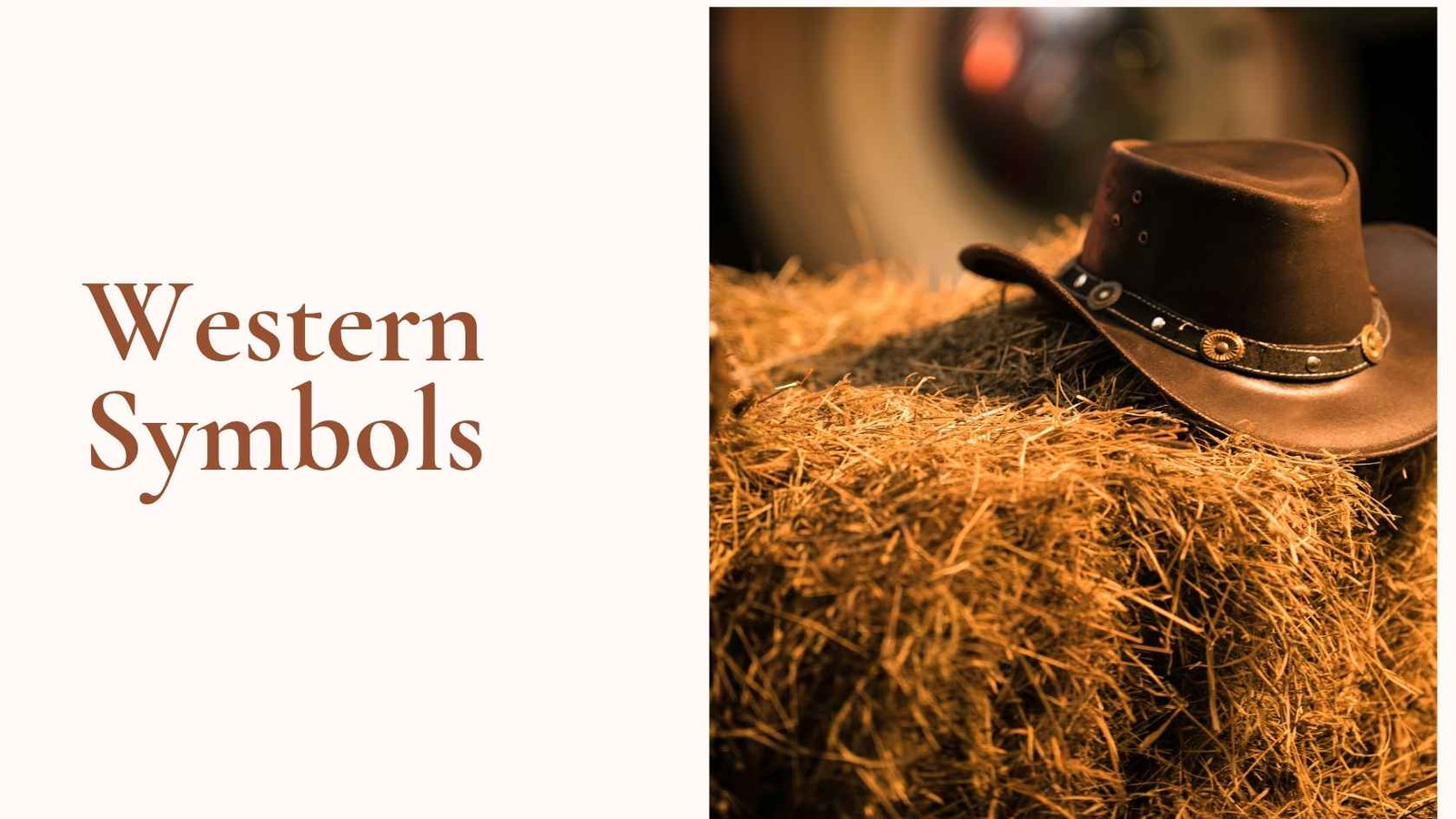
When I think of the American West, I picture open skies, horseback trails, and stories of independence passed down through generations. You may feel the same pull toward western culture—whether through movies, family history, country music, or a love for rustic design.
Western symbols carry ideas that go beyond cowboy hats and old saloons. They often reflect freedom, hard work, courage, adventure, and a deep connection to the land. Some have Native American roots, while others come from ranching traditions and frontier life.
Today, people use these symbols in tattoos, logos, home décor, jewelry, and personal artwork. Understanding their meanings can help you choose one that truly speaks to your values.
Quick Answer: What Symbol Represents the Western Spirit?
The horseshoe is one of the most recognized western symbols. It is commonly associated with luck, protection, hard work, and life on the frontier. Other well-known western symbols include the cowboy hat, wagon wheel, sheriff’s badge, longhorn skull, and lasso.
Together, these symbols capture the ideas of resilience, freedom, exploration, and life in the American West.
What Are Western Symbols?
Western symbols are images, objects, and emblems connected to the culture and history of the American West. They are often linked to ranching, horseback riding, frontier communities, and outdoor living.
Their meanings can vary depending on their origin. For example:
- A horseshoe may symbolize good fortune.
- A wagon wheel can represent life’s journey.
- A longhorn skull may reflect endurance and survival.
- A feather can carry spiritual or cultural significance.
Some western symbols come from cowboy traditions, while others have Native American or historical roots. Before using a symbol, it is helpful to understand its background and respect its original meaning.
Western Symbols Comparison Table
| Symbol | Main Meaning | Best Use |
| Horseshoe | Luck and protection | Tattoos, home décor |
| Cowboy Hat | Independence | Logos, artwork |
| Wagon Wheel | Journey and progress | Rustic décor |
| Sheriff Badge | Justice and leadership | Branding |
| Longhorn Skull | Endurance | Tattoos, wall art |
| Lasso | Skill and determination | Logos, posters |
| Cowboy Boots | Hard work | Personal designs |
| Campfire | Community and storytelling | Family art |
| Cactus | Survival and adaptability | Tattoos, prints |
| Eagle | Freedom and vision | Logos and jewelry |
| Saddle | Adventure | Decorative pieces |
| Star | Guidance and hope | Tattoos and branding |
Top Western Symbols and Their Meanings
Horseshoe: Luck on the Frontier
The horseshoe has long been tied to western life because horses were essential for travel, work, and survival. Many people hang a horseshoe above a doorway as a sign of protection and good fortune.
In western culture, it reminds us that success often comes from preparation and persistence. Whether displayed open-side up to “hold” luck or used in rustic artwork, the horseshoe remains a favorite symbol.
Today, it appears in farmhouse décor, wedding themes, jewelry, and minimalist tattoos.
Best for: Tattoos, home décor, jewelry, rustic signs, family keepsakes.
Cowboy Hat: A Symbol of Independence
Few images say “Western” more clearly than a cowboy hat. It reflects self-reliance, responsibility, and life spent outdoors.
Historically, cowboy hats provided practical protection from sun and weather. Over time, they became cultural icons associated with confidence and individuality.
Many businesses use cowboy hat imagery because it instantly communicates western heritage and authenticity.
Best for: Logos, tattoos, country-themed branding, posters, social media graphics.
Wagon Wheel: The Journey of Life
The wagon wheel symbolizes movement, exploration, and progress. Covered wagons played an important role during westward expansion, making the wheel a reminder of life’s many paths.
People often choose this symbol to represent personal growth or family history. Its circular shape also suggests continuity and the passage of time.
It works especially well in rustic and vintage designs.
Best for: Family artwork, wall décor, tattoos, heritage projects, logos.
Sheriff’s Badge: Justice and Leadership
The sheriff’s badge is associated with responsibility, fairness, and public service. In western stories, sheriffs often stood as protectors of their communities.
Today, the badge is less about law enforcement and more about leadership and accountability in symbolic designs. It is commonly seen in western-themed events and branding.
Its simple shape makes it easy to recognize at a glance.
Best for: Branding, event designs, western posters, themed merchandise.
Longhorn Skull: Endurance Through Hard Times
The longhorn skull has become one of the most recognizable western images. It reflects survival, endurance, and respect for the harsh realities of frontier life.
Rather than celebrating hardship itself, the symbol often honors perseverance and the ability to adapt. It is especially popular in southwestern art and modern western fashion.
Many people choose longhorn imagery for tattoos because it feels timeless and bold.
Best for: Tattoos, wall art, western fashion, logos, home accents.
Lasso: Skill and Determination
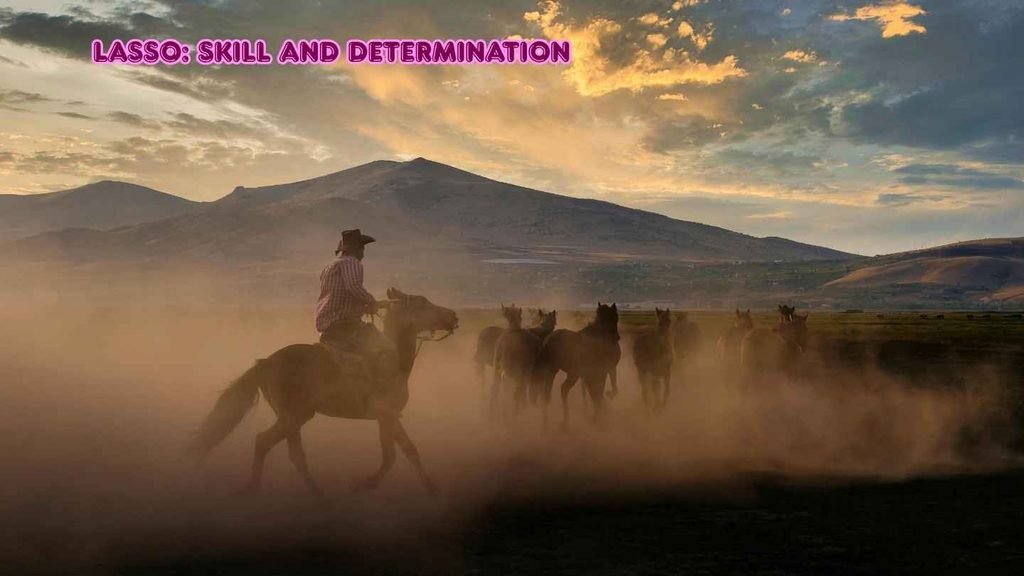
A lasso represents patience, practice, and mastery. Cowboys relied on their rope-handling skills every day, making the lasso a practical tool and a symbol of dedication.
The circular shape can also suggest unity and commitment. Designers often use it in western logos because it adds movement and personality.
For many people, the lasso serves as a reminder to keep working toward their goals.
Best for: Business logos, tattoos, posters, personal reminders, apparel.
Cowboy Boots: Hard Work and Tradition
Cowboy boots are more than footwear—they tell a story of labor, tradition, and craftsmanship. Different regions developed unique styles, making boots an expression of identity.
Today, cowboy boots remain popular around the world. They symbolize a willingness to work hard while staying true to one’s roots.
They are especially meaningful for people with ranching backgrounds or a love of country culture.
Best for: Fashion branding, tattoos, illustrations, country-themed designs.
Campfire: Community and Shared Stories
The campfire symbolizes togetherness. Around a fire, people share meals, stories, and memories.
In western culture, campfires were places of comfort after long days on the trail. Today, they remind us of friendship and meaningful conversations.
This symbol works beautifully in family-themed artwork and outdoor branding.
Best for: Family art, camping brands, posters, tattoos, home décor.
Cactus: Thriving in Difficult Conditions
The cactus is a symbol of resilience. It survives in harsh environments while continuing to grow and bloom.
People often choose cactus imagery as a reminder that difficult seasons do not last forever. It has become increasingly popular in modern western aesthetics because of its simple and recognizable shape.
Minimalist cactus tattoos are especially common.
Best for: Small tattoos, logo design, social media graphics, decorative art.
Western Symbols Copy and Paste
Western symbols are a popular way to add a unique touch to messages, social media posts, usernames, and creative designs. From cowboy-themed characters and decorative signs to traditional Western-style icons, these symbols help express different moods and styles. You can easily copy and paste your favorite symbols wherever you want.
Whether you are creating a Western-themed profile, decorating a caption, or designing a post, having a collection of Western symbols makes the process easier. Choose the characters you like, copy them, and use them on platforms that support Unicode symbols.
Western Symbols and Meanings
Western symbols can represent different ideas, traditions, and cultural influences. For example, cowboy hats often represent the American Old West, horses symbolize freedom and adventure, and sheriff stars are associated with law and order. These familiar images are commonly used in Western-themed artwork, clothing, and digital designs.
The meaning of a symbol can also change depending on its historical or cultural context. Some symbols represent traditional Western lifestyles, while others are used simply for decoration. Understanding their meanings can help you choose the right symbols for your designs, messages, or personal collections.
Famous Western Icons
Famous Western icons are closely connected with the history, entertainment, and traditions of the American West. Cowboys, sheriffs, horses, saloons, and old Western towns are some of the most recognizable elements associated with this culture. They have appeared in classic movies, television shows, books, and popular artwork for generations.
Many of these icons continue to influence modern fashion, graphic design, and digital entertainment. Their recognizable appearance makes them useful for creating Western-themed posters, social media content, decorations, and creative projects.
Western Icons Catholic
Western Catholic icons are religious images and artistic representations used in Christian traditions, particularly within Western Christianity. They often portray Jesus Christ, the Virgin Mary, angels, and important saints. These images are commonly found in churches, religious artwork, prayer spaces, and devotional materials.
Catholic iconography uses meaningful colors, gestures, objects, and visual details to communicate religious stories and beliefs. Although Western Catholic religious art has a long history, it is important to understand that Catholic devotional images and traditional cowboy or Western culture symbols belong to different categories.
Cowboy Icon Text
Cowboy icon text includes decorative characters, emojis, and symbols that represent the traditional cowboy lifestyle. Common examples include cowboy hats, horses, boots, stars, and Western-inspired decorative characters. These elements are often used in social media bios, usernames, captions, and messages to create a fun Western appearance.
You can combine cowboy-themed symbols with ordinary text to create personalized designs and creative messages. Since different devices and platforms may display symbols differently, it is a good idea to test your chosen characters before using them in a profile, post, or design.
Less Than Symbol
The less than symbol ( < ) is a mathematical character used to show that one number or value is smaller than another. For example, 3 < 8 means that three is less than eight. It is widely used in mathematics, education, programming, and everyday comparisons.
This symbol is also useful in computer coding and digital communication, where it can have special meanings depending on the language or context. If you need it for a document, assignment, or online message, you can simply copy and paste the less than symbol wherever it is supported.
Catholic Icons
Catholic icons are religious images that represent important figures, events, and teachings of the Catholic faith. Common examples include images of Jesus Christ, Mary, the apostles, and various saints. These images help people connect with religious history and are often used in churches, prayer books, religious decorations, and personal devotional spaces.
Different Catholic icons have their own meanings and visual traditions. Some portray important moments from the Bible, while others represent the lives and teachings of saints. People may use these images for prayer, reflection, religious education, and artistic appreciation.
Eagle: Freedom and Vision
The eagle is widely associated with freedom, courage, and perspective. It appears in many cultures and also holds important meanings in some Indigenous traditions.
Because of its cultural significance, it should be used respectfully and thoughtfully. In western-inspired designs, the eagle often reflects ambition and a broad view of life’s possibilities.
Its striking appearance makes it ideal for bold artwork.
Best for: Logos, jewelry, tattoos, posters, inspirational artwork.
Saddle: Adventure and Responsibility
A saddle represents readiness for the journey ahead. It reminds us that adventure requires preparation and commitment.
For generations, saddles were essential tools for travel across vast landscapes. Today, they symbolize exploration and an active lifestyle.
Many western enthusiasts include saddles in decorative displays or heritage collections.
Best for: Ranch décor, illustrations, branding, heritage projects.
Star: Guidance Across Open Skies
Stars have guided travelers for centuries. In western symbolism, they often represent hope, direction, and dreams worth pursuing.
The five-pointed star is especially common in western design because of its clean and recognizable appearance. It appears on sheriff badges, signs, and country-themed products.
Its simplicity makes it suitable for nearly any creative project.
Best for: Tattoos, logos, jewelry, signs, personal artwork.
Best Western Symbols for Tattoos
Western symbols make excellent tattoos because many of them are simple, meaningful, and easy to customize.
Popular choices include:
- Horseshoe
- Longhorn skull
- Cowboy hat
- Cactus
- Wagon wheel
- Eagle
- Star
- Lasso
Small tattoos often feature a cactus or star, while larger designs may combine several elements into a western landscape. Matching tattoos can include horseshoes or wagon wheels to symbolize shared journeys.
Best Western Symbols for Logos and Design
If you’re creating a western-themed logo or brand, simplicity matters. A good symbol should remain recognizable whether it appears on a website, business card, or social media profile.
Great options include:
- Cowboy hat
- Horseshoe
- Star
- Lasso
- Sheriff badge
- Longhorn silhouette
Clean lines and limited details usually work best. Consider how the symbol will appear in both color and black-and-white formats.
Best Western Symbols for Family, Spiritual, or Personal Meaning
Western symbols can carry deeply personal meanings.
- Family: Campfire, wagon wheel, horseshoe
- Freedom: Eagle, cowboy hat
- Resilience: Cactus, longhorn skull
- Guidance: Star
- Personal growth: Wagon wheel
- Adventure: Saddle
Many people combine symbols to tell their own story. For example, a family crest might include a campfire and wagon wheel, while a personal tattoo could pair a cactus with a star.
Before Using Cultural or Sacred Symbols
Some western imagery has cultural or spiritual significance beyond modern design trends.
For example, feathers and eagles may hold important meanings in Indigenous traditions. Before using these symbols in tattoos, products, or commercial branding, take time to understand their origins.
Respect matters. Meanings can vary between communities, and not every symbol should be used casually. Learning about a symbol’s history helps preserve its significance and encourages thoughtful use.
How to Choose the Right Symbol for Western Themes
Choosing the right symbol depends on what matters most to you.
Ask yourself:
- Does the symbol reflect my values?
- Is it culturally appropriate for my intended use?
- Will it work as a tattoo or logo?
- Is the design simple and recognizable?
- Does it tell a personal story?
If you’re choosing a tattoo, think long-term. If you’re creating a logo, prioritize clarity and versatility. The best western symbols are the ones that feel meaningful every time you see them.
FAQs About Western Symbols
What is the best symbol for western culture?
The horseshoe is one of the most popular western symbols because it combines history, luck, and frontier life. It is widely recognized and works well in tattoos, logos, and decorative designs.
What symbol represents freedom in western traditions?
The eagle and cowboy hat are commonly associated with freedom. Both reflect independence, open spaces, and the spirit of adventure often connected with the American West.
What is a good western tattoo?
Horseshoes, cacti, stars, and longhorn skulls make excellent western tattoos. They are meaningful, visually appealing, and easy to adapt into both small and large designs.
Which western symbol represents family?
The campfire and wagon wheel are great choices for family symbolism. They suggest shared experiences, tradition, and life’s journey together.
What is a simple western symbol?
A five-pointed star is one of the simplest western symbols. It is easy to recognize and can represent guidance, hope, and direction.
What animal symbolizes the western spirit?
Many people associate the eagle and horse with western values. They reflect freedom, strength, movement, and a connection to nature.
What colors are commonly associated with western themes?
Earth tones are the most common. Brown, tan, red, turquoise, and deep blue are frequently used in western-inspired artwork and branding.
Can western symbols be used in business logos?
Yes. Symbols like stars, horseshoes, and cowboy hats are widely used in branding because they are memorable and visually simple.
Final Thoughts
Western symbols continue to inspire people because they tell stories of resilience, freedom, and life beyond the horizon. Whether you’re choosing a tattoo, designing a logo, or exploring your family’s connection to western culture, these symbols offer meaningful ways to express what matters most.
The best western symbols are the ones that feel authentic to you—and that remain meaningful long after the trend has passed.

I’m Sophia Bennett, and I have a passion for uncovering the meaning behind symbols used throughout history and across different cultures. I love researching mythology, nature, dreams, and spiritual traditions to explain how symbols shape our understanding of the world.
Writing for Symbolory allows me to share reliable, easy-to-read information that helps readers connect with the stories behind every symbol. My mission is to make symbolism interesting, practical, and accessible for everyone.
Books
- The World of Symbol Meanings
- Sacred Symbols and Modern Interpretations