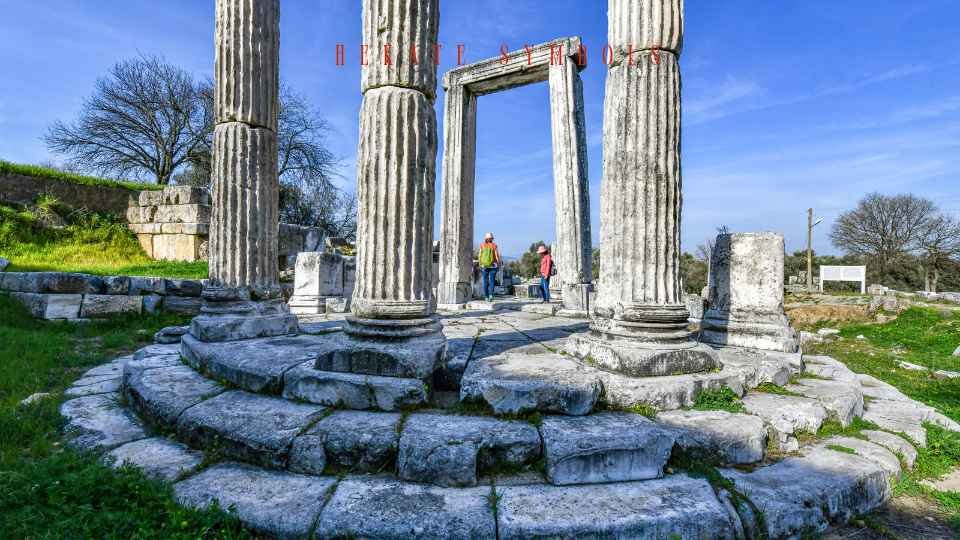
Hekate is one of the most fascinating figures in ancient Greek mythology. Known as the goddess of magic, crossroads, witchcraft, protection, ghosts, and the night, she has inspired spiritual traditions for thousands of years. Today, many people search for Hekate symbols to better understand her role in mythology, modern pagan practices, art, literature, and historical religion.
Each symbol connected with Hekate carries a unique meaning. Some represent wisdom and guidance, while others symbolize transformation, protection, hidden knowledge, or the connection between different worlds. Whether you’re researching Greek mythology, studying ancient religions, designing artwork, or exploring modern spiritual traditions, understanding these symbols provides valuable cultural and historical insight.
Quick Facts About Hekate

| Feature | Details |
| Name | Hekate (also spelled Hecate) |
| Origin | Ancient Greece |
| Domain | Magic, Witchcraft, Crossroads, Night, Protection |
| Parents | Usually Perses and Asteria (according to Hesiod) |
| Sacred Animals | Dogs, snakes, owls, polecats |
| Sacred Plants | Yew, cypress, garlic, mugwort |
| Sacred Colors | Black, silver, red |
| Most Famous Symbols | Torch, Keys, Triple Moon, Crossroads, Wheel of Hekate |
| Modern Importance | Paganism, Wicca, occult traditions, mythology studies |
Who Is Hekate?
Hekate is an ancient Greek goddess whose influence extends across mythology, religion, folklore, and modern spirituality. Unlike many Olympian gods, she was closely associated with liminal spaces—places that exist between two worlds or states of being. These include crossroads, doorways, moonlit paths, and transitions between life and death.
Ancient texts describe her as both a protector and a guide. She helped travelers, guarded homes, and was believed to offer wisdom during difficult decisions. Over time, she also became linked with witchcraft, magical rituals, spirits, and hidden knowledge.
The History of Hekate Symbols
The earliest references to Hekate appear in ancient Greek literature, especially Hesiod’s Theogony (around the 8th–7th century BCE). Initially honored as a powerful goddess with influence over heaven, earth, and sea, her symbolism expanded during the Hellenistic and Roman periods.
As beliefs evolved, artists and worshippers began representing Hekate with torches, keys, serpents, dogs, and eventually her famous triple form. Many of these symbols reflected her role as a guardian of boundaries and guide through darkness.
Today, these ancient symbols remain popular in mythology studies, archaeology, jewelry, tattoos, and modern pagan traditions.
The Most Important Hekate Symbols and Their Meanings
The Torch
The torch is perhaps Hekate’s best-known symbol. According to mythology, she carried twin torches while helping Demeter search for Persephone.
The torch represents:
- Guidance
- Wisdom
- Illumination
- Hope in darkness
- Spiritual awakening
It reminds people that knowledge often appears during life’s darkest moments.
The Keys
Keys symbolize Hekate’s authority over gateways, mysteries, and hidden knowledge.
Their meanings include:
- Opening new opportunities
- Access to secret wisdom
- Protection
- Transition between worlds
- Personal transformation
Many modern depictions show Hekate holding one or more ancient keys.
The Crossroads
Crossroads are deeply connected with Hekate because they represent moments of important choices.
Symbolically, crossroads stand for:
- Life decisions
- New beginnings
- Change
- Destiny
- Personal growth
Historically, offerings known as “Hekate’s Suppers” were often left at crossroads.
The Wheel of Hekate (Strophalos)
The Wheel of Hekate is one of her most recognizable sacred symbols.
Its intricate spiral design represents:
- Eternal cycles
- Divine energy
- Spiritual journeys
- Balance
- Universal connection
Today, it frequently appears in jewelry, altar decorations, and educational resources about Greek mythology.
Triple Moon
Although more strongly associated with later pagan traditions, the Triple Moon has become widely linked with Hekate.
It symbolizes:
- Maiden
- Mother
- Crone
- Past
- Present
- Future
- Birth
- Life
- Death
The three phases of the moon reflect constant change and renewal.
Triple Goddess Form
Ancient statues often portrayed Hekate as three women standing back-to-back.
This representation symbolizes:
- Three directions
- Three realms
- Triple wisdom
- Protection from every side
- Balance between different worlds
The triple form also emphasizes her role at crossroads.
Dogs
Dogs were considered Hekate’s sacred animals.
They symbolize:
- Loyalty
- Protection
- Guardianship
- Spiritual awareness
- Warning of unseen dangers
Ancient Greeks believed dogs could sense supernatural beings connected with Hekate.
Serpents
Snakes frequently accompany Hekate in ancient artwork.
They represent:
- Renewal
- Healing
- Ancient wisdom
- Rebirth
- Hidden power
Because snakes shed their skin, they also symbolize transformation.
Owls
Owls symbolize intelligence and insight.
Although primarily associated with Athena, some traditions also connect owls with Hekate because they:
- See through darkness
- Represent hidden knowledge
- Symbolize intuition
- Reflect spiritual awareness
Dagger
A ceremonial dagger represents:
- Courage
- Protection
- Ritual practice
- Cutting away negativity
- Strength during change
It is more common in modern symbolic interpretations than in classical mythology.
Cauldron
The cauldron symbolizes:
- Creation
- Transformation
- Magic
- Renewal
- Spiritual change
It became especially associated with Hekate through later European folklore and modern pagan traditions.
Black Dogs
Black dogs are especially connected with Hekate in ancient folklore.
They represent:
- Guardianship
- Night
- Protection
- Spiritual companions
- Mystery
Ancient stories often mention black dogs accompanying the goddess.
Cypress Tree
The cypress tree symbolizes:
- Eternal life
- Mourning
- Sacred places
- Spiritual transition
- Connection with the underworld
Many ancient cemeteries included cypress trees because of these associations.
Yew Tree
The yew tree represents:
- Longevity
- Death
- Rebirth
- Ancient wisdom
- Renewal
Its long lifespan made it a powerful symbol of endurance.
Garlic
Garlic was traditionally offered to Hekate.
It symbolized:
- Protection
- Purification
- Good fortune
- Household safety
- Spiritual cleansing
Ancient worshippers sometimes left garlic at crossroads.
Moon
The moon reflects Hekate’s connection with:
- Night
- Intuition
- Feminine power
- Mystery
- Cycles of nature
Modern artwork often places Hekate beneath a full moon.
Stars
Stars symbolize:
- Guidance
- Destiny
- Cosmic wisdom
- Hope
- Navigation
They reinforce Hekate’s role as a guide through darkness.
Doorways
Doorways represent transitions between one stage of life and another.
They symbolize:
- Opportunity
- Change
- Protection
- Beginnings
- Endings
This aligns perfectly with Hekate’s role as guardian of thresholds.
Black Cloak
A flowing black cloak symbolizes:
- Mystery
- Protection
- Hidden knowledge
- Night
- Spiritual authority
It frequently appears in artistic depictions of Hekate.
Flame
Unlike the torch itself, the flame symbolizes inner enlightenment.
It represents:
- Inspiration
- Divine knowledge
- Personal growth
- Transformation
- Hope
20 Interesting Facts About Hekate Symbols
1. The torch symbolizes guidance rather than destruction.
It represents finding wisdom in darkness instead of fear, making it one of Hekate’s most positive symbols.
2. Ancient crossroads were considered sacred to Hekate.
People believed she protected travelers and watched over important decisions.
3. The Wheel of Hekate has no confirmed ancient universal meaning.
Different historians interpret its spiral pattern in several ways, including life cycles and spiritual journeys.
4. Dogs often announced Hekate’s presence.
Ancient writers believed barking dogs could sense the arrival of divine or supernatural beings.
5. Keys represent more than physical locks.
They symbolize access to hidden knowledge and personal transformation.
6. Triple statues became popular during the Classical period.
They allowed worshippers approaching from different directions to see the goddess.
7. Serpents represented wisdom in many ancient cultures.
Their connection with Hekate emphasizes renewal rather than danger.
8. Garlic was considered a sacred offering.
It was commonly placed at crossroads during religious rituals.
9. The moon connection grew stronger over time.
Earlier texts focused more on protection and magic than lunar symbolism.
10. Hekate appears in both Greek and Roman traditions.
Her symbols remained remarkably consistent across cultures.
11. Ancient artists often combined several symbols.
One statue might include torches, keys, snakes, and dogs simultaneously.
12. Crossroads symbolized life’s biggest choices.
They reflected moments when guidance was most needed.
13. Modern tattoos often feature Hekate’s wheel.
It has become a popular design representing transformation and wisdom.
14. Many symbols focus on transition.
Almost every sacred object connected with Hekate represents change or movement.
15. Black wasn’t considered evil.
Instead, it represented mystery, protection, and the unknown.
16. The triple form reflects multiple perspectives.
It symbolizes seeing past, present, and future together.
17. Hekate’s symbols remain popular in literature.
Fantasy novels, films, and games continue to draw inspiration from them.
18. Archaeologists still discover Hekate statues.
New findings continue to improve our understanding of her worship.
19. Some symbols changed meaning through history.
Later spiritual traditions expanded on the symbolism found in ancient Greece.
20. Hekate remains one of mythology’s most recognizable figures.
Her symbols continue to inspire artists, historians, educators, and mythology enthusiasts worldwide.
Cultural Significance of Hekate Symbols
Hekate’s symbols reflect ancient Greek beliefs about protection, wisdom, destiny, and the unknown. Rather than representing fear alone, they emphasize guidance through uncertain times and respect for life’s transitions.
Today, these symbols appear in museums, historical research, mythology books, jewelry, artwork, and modern spiritual traditions, making them enduring cultural icons.
Hekate Symbols in Modern Times
Although rooted in ancient Greece, Hekate’s symbols continue to influence modern culture.
Common examples include:
- Mythology books
- Museum exhibits
- Jewelry designs
- Tattoo art
- Fantasy novels
- Films and television
- Video games
- Pagan and Wiccan traditions
- Academic studies of ancient religion
Their continued popularity reflects a lasting fascination with mythology and symbolism.
Hekate Symbols vs. Other Greek Goddess Symbols
| Goddess | Primary Symbols | Main Meaning |
| Hekate | Torch, Keys, Wheel, Crossroads | Magic, Protection, Guidance |
| Athena | Owl, Olive Tree, Shield | Wisdom and Strategy |
| Artemis | Bow, Deer, Moon | Hunting and Nature |
| Demeter | Wheat, Cornucopia | Agriculture and Harvest |
| Persephone | Pomegranate | Renewal and the Underworld |
How to Interpret Hekate Symbols Respectfully
When studying or using Hekate’s symbols:
- Learn their historical origins before assigning modern meanings.
- Recognize that interpretations may vary across cultures and traditions.
- Avoid assuming every symbol has a single universal definition.
- Appreciate both the mythological and cultural significance behind each symbol.
- Use reliable historical sources when conducting research.
Frequently Asked Questions
What is the most famous Hekate symbol?
The torch is generally considered Hekate’s most famous symbol because it represents guidance, wisdom, and light in darkness.
What does the Wheel of Hekate mean?
The Wheel of Hekate symbolizes spiritual journeys, eternal cycles, divine energy, and personal transformation.
Why are dogs associated with Hekate?
Dogs were regarded as sacred companions and guardians, representing protection, loyalty, and awareness of unseen forces.
Is the Triple Moon originally a Hekate symbol?
The Triple Moon is more closely linked with modern pagan traditions, though it is now commonly associated with Hekate because of her connection to the night and her triple form.
Why are crossroads important to Hekate?
Crossroads symbolize choices, transitions, and guidance. Ancient Greeks believed Hekate protected travelers and watched over these important places.
What do Hekate’s keys represent?
Her keys symbolize access to hidden knowledge, protection, mysteries, and the ability to move between different realms or stages of life.
Conclusion
Hekate symbols offer a fascinating glimpse into one of ancient Greece’s most complex and respected goddesses. From the guiding torch and sacred keys to the mysterious crossroads and the iconic Wheel of Hekate, each symbol reflects themes of wisdom, transformation, protection, and life’s constant transitions.
if explored through mythology, archaeology, art, or modern spirituality, these enduring symbols continue to inspire curiosity and deepen our understanding of one of history’s most intriguing divine figures.

Hi, I’m Benjamin Carter. I have spent years studying symbols from different civilizations and discovering how they influence art, religion, culture, and daily life. I enjoy turning detailed research into simple, engaging articles that anyone can understand.
I believe every symbol has a unique story, and sharing those stories is what inspires me the most. Through Symbolory, I aim to help readers explore the meanings behind famous symbols, lucky signs, spiritual icons, and historical emblems with confidence.
Books
- Symbols Across Civilizations
- The Complete Guide to Meaningful Icons
 Sophia Bennett
 Amelia Hart