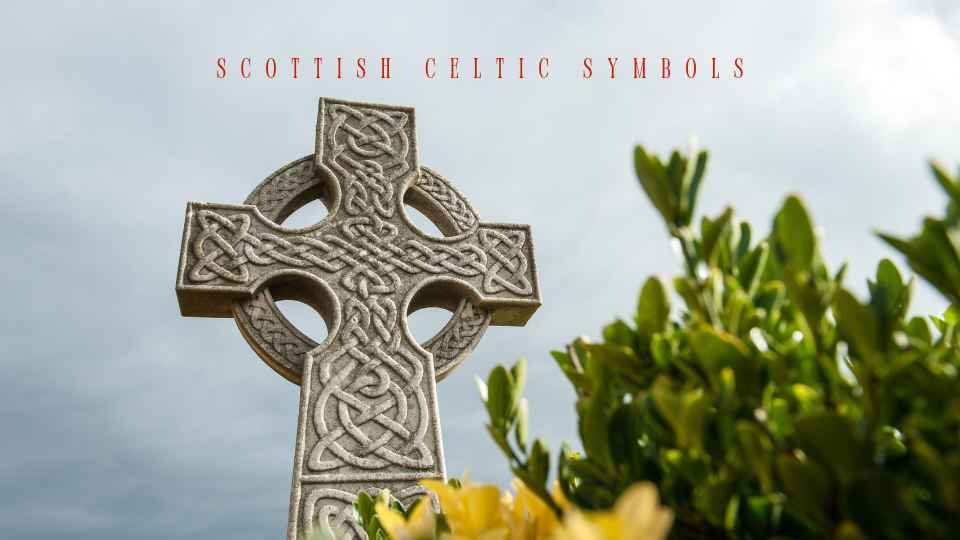
Few cultural traditions have endured as powerfully as the symbols of the ancient Celts. Across Scotland, these timeless designs appear on standing stones, clan crests, jewelry, tattoos, and even modern architecture. Scottish Celtic symbols are more than decorative patterns—they represent identity, spirituality, protection, and a deep connection to nature.
From the intricate Celtic Knot to the mysterious Triple Spiral and the sacred Tree of Life, these symbols tell stories that stretch back thousands of years. Many were passed down through oral traditions before being carved into stone and preserved in medieval manuscripts.
Today, Scottish Celtic symbols continue to captivate historians, travelers, artists, and people seeking meaningful designs for tattoos, gifts, and family emblems. Understanding their origins helps us appreciate Scotland’s rich cultural heritage and the beliefs of the people who once inhabited its rugged landscapes.
This guide explores the history, meanings, and cultural significance of Scottish Celtic symbols while uncovering 20 fascinating facts that reveal why these ancient emblems remain relevant in the modern world.
Quick Facts About Scottish Celtic Symbols

| Feature | Details |
| Origin | Ancient Celtic tribes of Scotland and the British Isles |
| Estimated Age | More than 2,000 years old |
| Common Themes | Eternity, nature, protection, spirituality, family |
| Famous Symbols | Celtic Knot, Triskele, Claddagh, Tree of Life, Celtic Cross |
| Cultural Importance | Scottish identity, clan heritage, art, religion |
| Modern Uses | Tattoos, jewelry, home décor, logos, souvenirs |
| Influences | Pagan traditions and early Christianity |
| Notable Locations | Isle of Iona, Highlands, Orkney, Edinburgh museums |
Background and Overview
Scottish Celtic symbols originated among the Celtic peoples who settled throughout Scotland during the Iron Age. These communities believed that life was interconnected and that nature possessed spiritual significance. Their artwork reflected these beliefs through repeating patterns, spirals, circles, and interwoven lines.
Unlike many ancient civilizations, the Celts left relatively few written records. Much of what historians know today comes from archaeological discoveries, illuminated manuscripts, and stone carvings found throughout Scotland.
Many Scottish symbols evolved over time. Pagan imagery eventually blended with Christian traditions, giving rise to iconic designs such as the Celtic Cross. This fusion created a unique artistic identity that remains strongly associated with Scotland.
Today, Scottish Celtic symbols can be found everywhere—from traditional kilts and jewelry to tourist attractions and family coats of arms.
History of Scottish Celtic Symbols
The story of Scottish Celtic symbols begins around 500 BCE, when Celtic tribes spread across Europe and established communities in present-day Scotland. These tribes used symbols to communicate beliefs, mark territories, and honor their gods.
During the early centuries, symbols were commonly carved onto weapons, pottery, and sacred stones. Spirals represented life’s continuous cycle, while knotwork symbolized eternity and interconnectedness.
The arrival of Christianity in Scotland during the 5th and 6th centuries significantly influenced Celtic art. Christian monks adopted traditional Celtic designs and incorporated them into crosses, manuscripts, and church decorations.
One of the most famous examples is the Book of Kells, which showcases intricate knot patterns and artistic techniques rooted in Celtic traditions. Similarly, the stone crosses on the Isle of Iona demonstrate how pagan symbolism merged with Christian teachings.
By the Middle Ages, Scottish Celtic symbols had become integral to clan identities. Many clans incorporated traditional motifs into their banners and emblems, helping preserve these designs for future generations.
Today, researchers continue to discover ancient artifacts that provide new insights into the meaning and evolution of Scottish Celtic symbolism.
Most Famous Scottish Celtic Symbols and Their Meanings
Celtic Knot
The Celtic Knot is perhaps the best-known Scottish symbol. Its endless loops have no beginning or end, representing eternity, loyalty, and the interconnected nature of life.
Celtic Cross
Combining a Christian cross with a circular ring, the Celtic Cross symbolizes faith, eternity, and the union of heaven and earth.
Tree of Life (Crann Bethadh)
This sacred tree represents balance, wisdom, and harmony between humans and nature. Ancient Celts considered trees gateways between worlds.
Triskele (Triple Spiral)
The Triskele consists of three connected spirals symbolizing life, death, and rebirth. It also represents motion and personal growth.
Claddagh Symbol
Although commonly associated with Ireland, the Claddagh remains popular in Scotland. Its hands, heart, and crown symbolize friendship, love, and loyalty.
Celtic Shield Knot
Often used as a protective symbol, the Shield Knot was believed to ward off evil spirits and provide strength during times of conflict.
Awen
Represented by three rays of light, Awen symbolizes inspiration, creativity, and divine wisdom.
Scottish Thistle
Scotland’s national emblem, the thistle represents resilience and courage. According to legend, it helped warn Scots of an invading army.
20 Interesting Facts About Scottish Celtic Symbols
1. Celtic Knots Have No Visible Beginning
The continuous design reflects the Celtic belief that life never truly ends. This concept remains one of the reasons Celtic knots are popular in wedding jewelry today.
2. The Celts Rarely Wrote Their History
Most Celtic knowledge was passed orally. Symbols became a visual language that preserved traditions and beliefs across generations.
3. The Scottish Thistle Has a Legendary Origin
According to folklore, a Viking stepped on a thistle while attempting a nighttime attack. His cry alerted Scottish defenders and helped save the village.
4. Spirals Predate Christianity
Archaeologists have discovered spiral carvings older than many Christian artifacts in Scotland, proving these symbols have ancient pagan roots.
5. The Tree of Life Was Considered Sacred
Celts believed trees connected the underworld, earth, and heavens. Cutting down a sacred tree was considered a serious offense.
6. Celtic Symbols Were Used for Protection
Warriors often carried symbols on shields and weapons because they believed these markings offered spiritual protection during battle.
7. Knotwork Became More Detailed Over Time
Early Celtic patterns were relatively simple. Medieval artists transformed them into highly intricate masterpieces found in manuscripts and churches.
8. The Isle of Iona Preserves Ancient Symbolism
Iona remains one of Scotland’s most important historic sites for studying Celtic Christianity and symbolic art.
9. Symbols Were Often Linked to Nature
Birds, animals, trees, and rivers frequently appeared in Celtic art because the Celts viewed nature as sacred and alive.
10. The Celtic Cross Is Unique
Unlike traditional Christian crosses, the Celtic Cross includes a ring that many historians interpret as a symbol of eternity or the sun.
11. The Number Three Was Sacred
Many Scottish Celtic symbols feature groups of three. The Celts associated this number with balance, harmony, and spiritual completeness.
12. Ancient Stones Still Exist
Scotland contains hundreds of carved stones featuring Celtic imagery, many of which remain remarkably well preserved.
13. Clan Traditions Kept Symbols Alive
Scottish clans adopted traditional motifs that helped preserve Celtic designs long after their original meanings were forgotten.
14. Celtic Art Influenced Modern Design
Contemporary logos, tattoos, and jewelry often draw inspiration from traditional Scottish Celtic patterns.
15. Symbols Had Multiple Meanings
A single Celtic symbol could represent several ideas depending on its context, making interpretation both fascinating and challenging.
16. The Triskele Represents Movement
Unlike static symbols, the Triple Spiral suggests constant motion, reflecting the Celtic understanding that life is always changing.
17. Animals Played Important Roles
Stags symbolized strength, ravens represented prophecy, and salmon were associated with wisdom in Celtic mythology.
18. Celtic Symbols Attract Millions of Visitors
Scotland’s Celtic heritage contributes significantly to cultural tourism, attracting travelers interested in history and archaeology.
19. Ancient Techniques Are Still Practiced
Many Scottish artisans continue producing handmade Celtic jewelry using methods inspired by historical craftsmanship.
20. Scottish Celtic Symbols Continue to Evolve
While rooted in ancient traditions, these symbols remain meaningful in modern culture, demonstrating their enduring appeal across centuries.
Scottish Culture and Celtic Traditions
Scottish Celtic culture emphasizes storytelling, music, and a close relationship with the natural world. Ancient Celts celebrated seasonal festivals that marked changes throughout the year.
Festivals such as Samhain influenced modern Halloween traditions, while Beltane celebrated the arrival of summer with bonfires and community gatherings.
Music also plays a significant role in preserving Celtic heritage. Traditional bagpipe melodies and Gaelic songs continue to connect modern Scots with their ancestors.
Scottish Celtic symbols remain visible during Highland games, cultural festivals, and clan reunions. They serve as reminders of a shared history that transcends generations.
Famous Places to Explore Scottish Celtic Heritage
Isle of Iona
Known as the birthplace of Celtic Christianity in Scotland, Iona is home to ancient crosses and historic monasteries.
Callanish Standing Stones
These prehistoric monuments on the Isle of Lewis provide insight into ancient spiritual practices and astronomical knowledge.
National Museum of Scotland
Located in Edinburgh, the museum features numerous Celtic artifacts, including jewelry, weapons, and carved stones.
Orkney Islands
The islands contain some of Europe’s most significant archaeological sites, showcasing Scotland’s ancient heritage.
Stirling Castle
While primarily known for its medieval history, Stirling offers exhibits exploring Scottish cultural traditions and symbolism.
Modern Importance of Scottish Celtic Symbols
Scottish Celtic symbols continue to influence modern society in meaningful ways. They are commonly used in:
- Jewelry and accessories
- Tattoo designs
- Family crests
- Tourism branding
- Interior decoration
- Educational materials
- Cultural festivals
These symbols also contribute to Scotland’s global image. Their widespread recognition has helped establish Scotland as a destination rich in history, mythology, and artistic heritage.
For many people of Scottish ancestry, Celtic symbols provide a connection to their roots. They offer a tangible link to traditions that have survived for more than two millennia.
How to Choose a Scottish Celtic Symbol
Choosing a Celtic symbol depends on its meaning and personal significance.
- Choose the Celtic Knot for eternity and lifelong commitment.
- Select the Tree of Life for growth and family connections.
- Consider the Triskele for personal development and resilience.
- Pick the Celtic Cross for faith and spiritual guidance.
- Use the Shield Knot for protection and strength.
- Choose the Scottish Thistle to celebrate Scottish heritage.
Understanding a symbol’s history ensures that it is appreciated respectfully and authentically.
Frequently Asked Questions
What is the most famous Scottish Celtic symbol?
The Celtic Knot is widely considered the most famous Scottish Celtic symbol because it represents eternity, unity, and interconnectedness.
What do Scottish Celtic symbols represent?
They commonly symbolize protection, spirituality, family, nature, eternity, and the cycle of life.
Are Scottish and Irish Celtic symbols the same?
Many symbols overlap because both cultures share Celtic roots. However, Scotland has unique traditions, including the Scottish Thistle and distinct clan symbolism.
Is the Celtic Cross Scottish?
Yes, the Celtic Cross has strong historical connections to Scotland, particularly through early Christian communities such as those on the Isle of Iona.
Why are Celtic symbols popular for tattoos?
Their timeless appearance and meaningful symbolism make them popular choices for people seeking designs connected to heritage, spirituality, or personal values.
What does the Tree of Life mean in Celtic culture?
The Tree of Life symbolizes balance, wisdom, and the connection between heaven, earth, and the underworld.
Can anyone use Scottish Celtic symbols?
Yes. While many people use them to honor Scottish ancestry, others appreciate their artistic beauty and universal meanings.
Conclusion
Scottish Celtic symbols are far more than ancient decorations. They represent centuries of history, spiritual beliefs, and cultural identity that continue to inspire people around the world. From the endless lines of the Celtic Knot to the sacred branches of the Tree of Life, each symbol carries a story shaped by Scotland’s landscapes and traditions.
Their enduring popularity reflects a universal desire for connection—to our ancestors, our communities, and the natural world. Whether you encounter them on a windswept stone cross in the Highlands or engraved on a piece of jewelry, Scottish Celtic symbols remain powerful reminders that some traditions truly stand the test of time.

I’m Sophia Bennett, and I have a passion for uncovering the meaning behind symbols used throughout history and across different cultures. I love researching mythology, nature, dreams, and spiritual traditions to explain how symbols shape our understanding of the world.
Writing for Symbolory allows me to share reliable, easy-to-read information that helps readers connect with the stories behind every symbol. My mission is to make symbolism interesting, practical, and accessible for everyone.
Books
- The World of Symbol Meanings
- Sacred Symbols and Modern Interpretations
 Amelia Hart