Few symbols in history have inspired as much fascination as the emblems associated with the Knights Templar. From the iconic red cross to mysterious seals and legends of hidden signs, templar symbols continue to appear in books, films, video games, tattoos, and historical discussions around the world.
The Knights Templar were one of the most influential military and religious orders of the Middle Ages. Founded in the early 12th century, they became known for their role in the Crusades, immense wealth, and enduring mysteries. Their symbols were not merely decorative—they represented faith, duty, sacrifice, and identity.
Today, people search for templar symbols to understand their historical meaning, explore their use in modern culture, or simply satisfy their curiosity about one of history’s most enigmatic organizations. This guide explores the origins, meanings, historical significance, and lasting influence of these famous symbols.
Quick Facts About Templar Symbols
| Feature | Details |
| Associated With | Knights Templar |
| Founded | 1119 AD |
| Origin | Jerusalem |
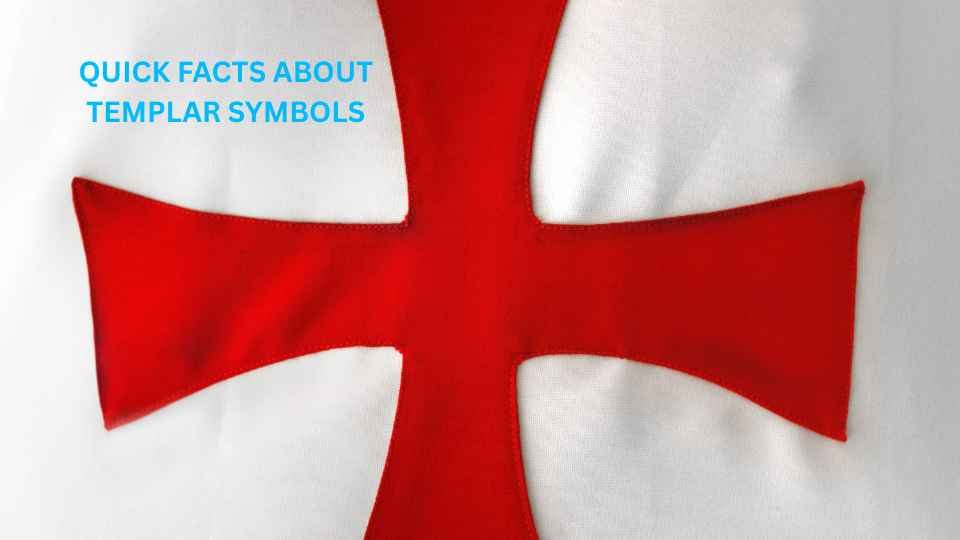
| Primary Symbol | Red Cross Pattée |
| Purpose | Religious and military identification |
| Main Themes | Faith, sacrifice, protection, honor |
| Famous Seal | Two knights riding one horse |
| Dissolution of Order | 1312 AD |
| Modern Influence | Tattoos, logos, books, films, games |
| Historical Importance | Symbol of medieval Christianity and chivalry |
What Are Templar Symbols?
Templar symbols are the visual emblems, seals, crosses, and insignia used by the Knights Templar. These symbols helped identify members of the order and communicated their religious beliefs and military purpose.
The most recognized templar symbol is the red cross worn on white mantles. However, the order used several other symbols throughout its existence, including official seals, banners, and heraldic imagery.
Common templar symbols include:
- Red Cross Pattée
- Seal of Two Knights on One Horse
- Beauseant Banner
- Jerusalem Cross
- Agnus Dei (Lamb of God)
- Temple Church Symbols
- Sword and Shield Motifs
- Crosses used in Templar architecture
Each symbol carried a message about devotion, humility, and service to Christianity.
The History of Templar Symbols
The Knights Templar emerged after the First Crusade to protect Christian pilgrims traveling to the Holy Land. As the order expanded across Europe and the Middle East, symbols became essential for identification on the battlefield and in official documents.
Initially, Templars wore plain clothing. In 1129, church authorities formally approved the order, and members began wearing white mantles to symbolize purity. Later, Pope Eugene III granted them permission to wear a red cross, representing martyrdom and willingness to die for their faith.
By the 13th century, templar symbols appeared on:
- Battle standards
- Wax seals
- Coins
- Churches
- Official letters
- Tombs
- Armor and shields
Even after the suppression of the order in 1312, these symbols survived in historical records and folklore, contributing to the legends surrounding the Knights Templar.
The Most Famous Templar Symbols and Their Meanings
The Red Cross Pattée
The Red Cross Pattée is the best-known symbol of the Knights Templar. It features four arms that widen toward the ends.
Its meanings include:
- Sacrifice
- Christian faith
- Courage
- Martyrdom
- Protection
The red color symbolized the blood of Christ and the willingness of Templars to give their lives in defense of Christianity.
The Seal of Two Knights on One Horse
Perhaps the most mysterious templar symbol, this seal depicts two knights riding a single horse.
Historians offer several interpretations:
- A symbol of the order’s early poverty
- Brotherhood and unity
- Shared purpose and sacrifice
- Humility among members
Despite numerous conspiracy theories, most historians believe the seal represented the modest beginnings of the order.
The Beauseant Banner

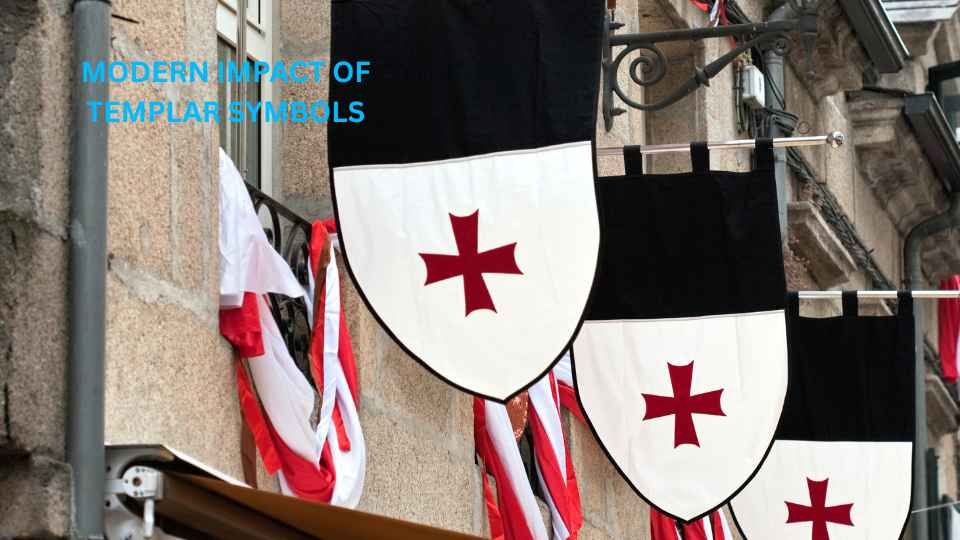
The Beauseant was the official war flag of the Knights Templar.
It featured:
- Black upper half
- White lower half
The colors symbolized:
- Good and evil
- Light and darkness
- Spiritual balance
- The dual nature of warfare and faith
The banner was highly respected and served as a rallying point during battles.
The Jerusalem Cross
Although not exclusive to the Templars, the Jerusalem Cross became closely associated with the Crusader states.
The design includes:
- One large central cross
- Four smaller surrounding crosses
Common interpretations include:
- The five wounds of Christ
- Christianity spreading to the four corners of the world
- The Gospel’s universal message
Agnus Dei (Lamb of God)
The Lamb of God appears in some templar seals and artwork.
It symbolizes:
- Jesus Christ
- Innocence
- Redemption
- Divine protection
The symbol emphasized the religious foundations of the order.
Timeline of Templar Symbols
| Year | Event |
| 1119 | Knights Templar founded |
| 1129 | Official recognition by the Church |
| 1147 | Red cross adopted |
| 1200s | Extensive use of seals and banners |
| 1307 | Arrest of many Templars in France |
| 1312 | Order officially dissolved |
| Modern Era | Symbols revived in popular culture |
Templar Symbols and Their Meanings
The Knights Templar used different symbols to represent their faith, courage, loyalty, and dedication to their religious mission. These symbols were closely connected to their identity as a medieval Christian military order. Among the best-known examples are the red cross, the Templar seal, and images of knights riding horses together. Each symbol carries a connection to the history and beliefs of the order.
Templar symbols are still popular today because of their mysterious history and distinctive appearance. Many people explore their meanings to learn more about medieval Christianity, the Crusades, and the traditions of the Knights Templar. Some symbols also appear in modern books, films, games, jewelry, and historical artwork, although their modern interpretations are not always the same as their original meanings.
Knights Templar Symbols
The Knights Templar were a medieval religious and military order founded in the early 12th century. They developed a recognizable identity through their clothing, banners, seals, and religious symbols. The red cross became one of their most recognizable emblems, while their seal showing two knights on one horse is another famous image associated with the order.
These symbols helped distinguish the Templars from other military groups during the Crusades. They also reflected ideas such as brotherhood, religious devotion, discipline, and service. Understanding Knights Templar symbols provides a fascinating look into the history of one of the most well-known religious orders of the Middle Ages.
Knights Templar Symbols and Their Meanings Images
Images of Knights Templar symbols offer an interesting way to explore the history and visual identity of the medieval order. Common examples include the red cross, Templar shields, medieval banners, official seals, and illustrations of knights wearing traditional armor. These images help readers recognize the symbols and understand how they were used in medieval society.
When looking at historical Templar images, it is important to distinguish authentic medieval designs from modern artwork and fictional interpretations. Many images found online are inspired by popular culture rather than original historical objects. Comparing different designs can help you better understand which symbols have historical connections and which were created in more recent times.
Knights Templar Symbols Tattoos
Knights Templar tattoos are popular among people interested in medieval history, chivalry, and traditional symbolism. The red Templar cross is one of the most recognizable designs, often chosen for its connection to faith, courage, and the history of the Crusades. Other tattoo ideas include Templar shields, swords, medieval helmets, and the famous two-knights-on-one-horse seal.
Before choosing a Templar tattoo, it is worth learning about the historical background of the design. Some modern tattoo styles combine Templar imagery with symbols that were not actually used by the original order. Understanding the difference can help you choose a design that reflects your interest in medieval history rather than a purely fictional interpretation.
Templar Symbol in Assassin’s Creed
The Templar symbol in the Assassin’s Creed video game series has a different meaning from the historical symbols of the medieval Knights Templar. In the games, the Templars are presented as an organization that seeks to establish order and control over society. Their emblem is part of the fictional conflict between the Templars and the Assassins.
Although the Assassin’s Creed series takes inspiration from historical events and organizations, its Templar symbols and storylines are creative interpretations. The fictional organization should not be confused with the actual medieval religious order. Players interested in the subject can explore both versions to understand how historical Templar imagery has influenced modern entertainment.
Knights Templar Cross
The red cross is one of the most recognizable symbols associated with the Knights Templar. The order received permission to wear a red cross on their white mantles in the 12th century. It represented their Christian identity and connection to their religious mission. The cross is often depicted as a simple red emblem, although different historical designs and artistic interpretations exist.
Today, the Knights Templar cross remains a popular symbol in historical illustrations, books, jewelry, and modern designs. Many people associate it with courage, sacrifice, faith, and medieval chivalry. However, its original significance was closely connected to the religious beliefs and military identity of the Templar order.
What Are the Knights Templar Called Today?
The original Knights Templar order was officially dissolved in the early 14th century following a period of political and religious conflict. Therefore, the medieval order no longer exists as the same organization that operated during the Crusades. Its historical name, however, continues to attract attention among historians, researchers, and people interested in medieval history.
Today, several modern organizations use the name Knights Templar or refer to the Templar tradition. One well-known example is the Masonic Knights Templar, which operates within certain branches of Freemasonry. These modern groups have their own traditions and organizational structures and should not be considered a direct continuation of the original medieval order.
Masonic Knights Templar
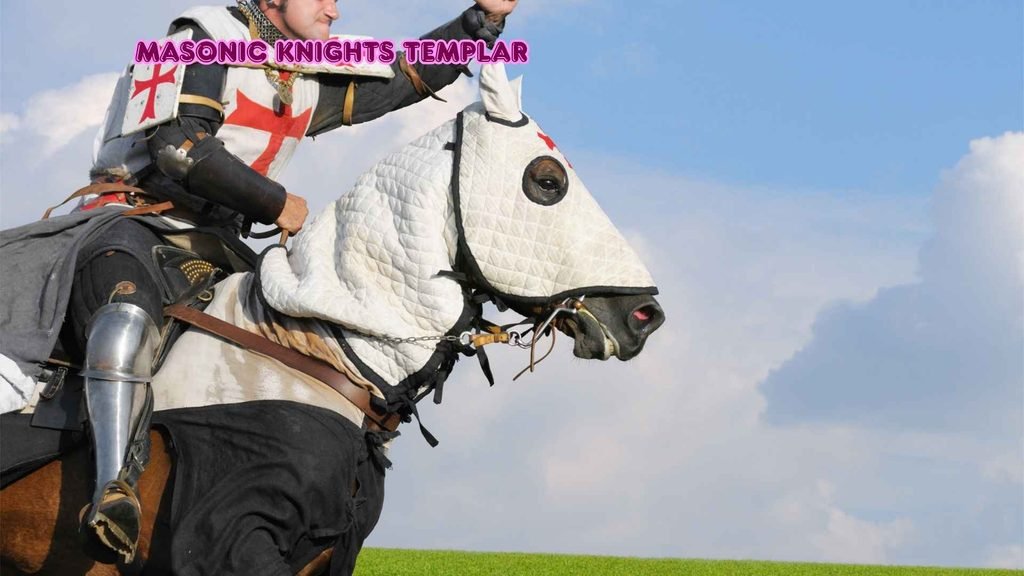
The Masonic Knights Templar are a modern fraternal organization connected with the York Rite of Freemasonry. Unlike the medieval Knights Templar, they are not a military religious order. Their ceremonies and traditions use historical Templar themes, including Christian symbolism, chivalry, moral values, and the idea of service to others.
The organization has its own distinctive uniforms, ceremonies, and symbols inspired by medieval traditions. Its members participate in fraternal activities and charitable work, depending on the local organization. Although the name and imagery connect them with the Knights Templar, the Masonic Knights Templar are a separate modern organization rather than the original medieval order.
20 Interesting Facts About Templar Symbols
1. The Red Cross Was Not Used Initially
The earliest Templars wore simple clothing. The red cross became official decades after the order was founded, reflecting its growing status and responsibilities.
2. Their Symbols Were Approved by the Pope
Unlike many medieval emblems, templar symbols received papal recognition, giving them religious legitimacy throughout Christian Europe.
3. The Two-Knight Seal Is Still Debated
Historians continue discussing whether the famous seal represented poverty, brotherhood, or a symbolic message about unity.
4. Templar Symbols Appeared Across Europe
Examples of templar crosses can still be found in churches, castles, and archaeological sites from Portugal to England.
5. White Cloaks Symbolized Purity
Only knights were permitted to wear white mantles, emphasizing moral discipline and commitment to the order.
6. The Beauseant Inspired Fear
Enemies reportedly recognized the Templar banner instantly, associating it with disciplined and highly trained warriors.
7. Templar Seals Varied by Region
Different branches of the order used localized seals while maintaining core imagery and symbolism.
8. Many Symbols Were Religious
Nearly every templar emblem contained references to Christianity, demonstrating the order’s spiritual mission.
9. The Order Used Wax Seals Extensively
Official documents often carried detailed wax impressions that are still studied by historians today.
10. Templar Architecture Included Symbolism
Churches linked to the order frequently incorporated crosses and geometric designs into their construction.
11. The Symbols Survived the Order
Although the Knights Templar disappeared, their emblems continued to appear in historical writings and artistic works.
12. They Influence Modern Tattoo Designs
Many people choose templar crosses for tattoos to represent honor, resilience, and faith.
13. Video Games Popularized Templar Imagery
Franchises such as Assassin’s Creed introduced templar symbols to younger generations, although often in fictional contexts.
14. Conspiracy Theories Increased Interest
Legends involving hidden treasures and secret societies have kept public fascination alive for centuries.
15. The Jerusalem Cross Has Multiple Meanings
Its symbolism varies among historians, making it one of the most discussed Christian emblems.
16. Templar Coins Featured Unique Designs
Some coins associated with the order contained crosses and inscriptions reflecting their identity.
17. Their Symbols Spread Through the Crusades
Military campaigns helped introduce templar imagery throughout the Mediterranean region.
18. Templar Graves Often Include Crosses
Archaeologists frequently identify potential Templar burial sites through distinctive cross carvings.
19. Modern Organizations Use Similar Symbols
Several contemporary groups inspired by medieval chivalry incorporate templar-style imagery into their branding.
20. Templar Symbols Remain Instantly Recognizable
Nearly 900 years after their creation, templar symbols remain among the most recognizable medieval emblems in history.
Templar Symbols in Culture and Tradition
Templar imagery occupies a unique place in Western culture. The symbols are associated with ideals such as:
- Loyalty
- Honor
- Discipline
- Faith
- Courage
- Brotherhood
In literature and folklore, templar symbols often appear alongside stories of hidden treasures, sacred relics, and ancient secrets. While many of these tales lack historical evidence, they have contributed significantly to the enduring popularity of the Knights Templar.
Modern celebrations of medieval history, reenactments, and historical festivals frequently include replicas of templar banners and attire.
Templar Symbols in Architecture
Several medieval buildings preserve templar symbolism.
Notable examples include:
- Temple Church in London
- Convento de Cristo in Portugal
- Tomar Castle
- Chapel of the Templars
- Former commanderies throughout Europe
Architectural features often include:
- Circular church designs
- Stone crosses
- Heraldic carvings
- Religious inscriptions
- Decorative shields
These structures provide valuable insight into how symbols were integrated into medieval religious life.
Modern Impact of Templar Symbols
Templar symbols remain influential in contemporary society.
Their modern uses include:
- Jewelry
- Clothing
- Tattoos
- Historical documentaries
- Video games
- Movies
- Book covers
- Museum exhibits
Many people are drawn to these symbols because they represent timeless values. Others appreciate their historical significance or aesthetic appeal.
However, historians caution against confusing documented history with fictional interpretations. Modern media often combines real templar symbols with myths involving secret knowledge, hidden treasure, and global conspiracies.
Templar Symbols vs. Other Medieval Symbols
| Symbol | Associated With | Meaning |
| Red Cross Pattée | Knights Templar | Sacrifice and faith |
| Maltese Cross | Knights Hospitaller | Protection and charity |
| Jerusalem Cross | Crusader States | Christianity’s spread |
| Fleur-de-lis | French Monarchy | Royal authority |
| Double-Headed Eagle | Byzantine Empire | Imperial power |
Understanding these differences helps researchers and enthusiasts correctly identify medieval symbolism.
Frequently Asked Questions
What is the main templar symbol?
The Red Cross Pattée is the primary symbol of the Knights Templar and represents faith, sacrifice, and devotion.
What does the Templar cross mean?
The Templar cross symbolizes martyrdom, courage, and commitment to Christian ideals during the medieval period.
Why are two knights shown on one horse?
Most historians believe it symbolizes the order’s early poverty and the close brotherhood among its members.
Are templar symbols still used today?
Yes. Templar symbols appear in historical organizations, museums, books, films, tattoos, and popular culture.
Is the Jerusalem Cross a Templar symbol?
The Jerusalem Cross was primarily associated with the Crusader Kingdom of Jerusalem but became closely connected with the Knights Templar.
Did the Knights Templar have a secret symbol?
There is no reliable historical evidence proving the existence of secret templar symbols. Most claims originate from later legends and conspiracy theories.
Why are templar symbols so popular?
Their combination of history, mystery, religion, and medieval imagery continues to capture public imagination worldwide.
Conclusion
Templar symbols are far more than medieval decorations. They tell the story of one of history’s most influential military orders and reflect themes of faith, sacrifice, and brotherhood that have endured for centuries.
From the famous red cross to the enigmatic seal of two knights on one horse, these symbols continue to inspire historians, artists, and enthusiasts alike. Their presence in architecture, literature, and modern culture demonstrates the lasting legacy of the Knights Templar.
Whether you are researching medieval history, exploring symbolism, or simply fascinated by ancient mysteries, templar symbols offer a remarkable window into a world that still captures the imagination nearly a millennium later.

Hi, I’m Benjamin Carter. I have spent years studying symbols from different civilizations and discovering how they influence art, religion, culture, and daily life. I enjoy turning detailed research into simple, engaging articles that anyone can understand.
I believe every symbol has a unique story, and sharing those stories is what inspires me the most. Through Symbolory, I aim to help readers explore the meanings behind famous symbols, lucky signs, spiritual icons, and historical emblems with confidence.
Books
- Symbols Across Civilizations
- The Complete Guide to Meaningful Icons
 Sophia Bennett
 Amelia Hart