Life has fascinated humanity since the beginning of time. Across cultures, religions, and civilizations, people have created symbols to express life’s beauty, mystery, growth, and continuity. These symbols appear in ancient temples, sacred texts, jewelry, tattoos, artwork, and modern design, each carrying a unique story about existence.
The most meaningful symbols that represent life often transcend language. A simple tree, spiral, or circle can communicate ideas of birth, renewal, eternity, and human connection. Whether you’re researching cultural symbolism, choosing a tattoo, creating artwork, or simply curious about their meanings, understanding these symbols provides insight into how societies have viewed life throughout history.
This guide explores the origins, meanings, and cultural significance of the world’s most recognized life symbols and explains why they continue to inspire people today.
Quick Facts About Symbols That Represent Life
| Feature | Details |
| Main Theme | Life, growth, renewal, and existence |
| Found In | Ancient and modern cultures worldwide |
| Common Uses | Tattoos, jewelry, logos, art, spirituality |
| Oldest Known Examples | Prehistoric and ancient civilizations |
| Key Meanings | Birth, vitality, immortality, continuity, balance |
| Popular Symbols | Tree of Life, Ankh, Lotus, Spiral, Sun |
| Cultural Importance | Religious, spiritual, and historical significance |
| Modern Relevance | Personal identity and symbolic expression |
Background and Overview
Symbols that represent life have existed for thousands of years. Ancient Egyptians used the Ankh to symbolize eternal life, while Celtic cultures revered the Tree of Life as a representation of harmony between heaven and earth. In Asia, the lotus flower became a symbol of spiritual awakening and resilience.
These symbols share common themes:
- Growth and transformation
- Cycles of birth and death
- Connection between humanity and nature
- Spiritual enlightenment
- Balance and harmony
- Eternal existence
Today, life symbols are more popular than ever. They are frequently used in tattoos, home décor, fashion, branding, and mindfulness practices because they communicate universal ideas that resonate across generations.
History of Life Symbols
The history of life symbols stretches back to prehistoric times. Archaeologists have discovered spirals carved into stone monuments dating back more than 5,000 years. Early societies often looked to nature for inspiration, observing trees, rivers, the sun, and the changing seasons as representations of life’s cycles.
Ancient Egypt introduced the Ankh around 3000 BCE, making it one of the earliest known symbols of life. Meanwhile, Mesopotamian civilizations used sacred trees in religious art to depict fertility and prosperity.
During the Middle Ages, life symbolism became closely tied to religion. Christian traditions adopted symbols such as the vine and fish, while Eastern philosophies continued to emphasize the lotus and yin-yang concepts of balance.
In modern times, these ancient symbols have gained renewed popularity through social media, tattoo culture, and growing interest in spirituality and mindfulness. Their meanings continue to evolve while preserving their historical roots.
20 Interesting Symbols That Represent Life
1. The Tree of Life
The Tree of Life is one of the most recognizable symbols of life worldwide. Its roots represent the past, the trunk symbolizes the present, and its branches signify the future.
This symbol appears in Celtic, Norse, Christian, and African traditions. It remains popular because it reflects the interconnectedness of all living things.
2. The Ankh
Originating in ancient Egypt, the Ankh resembles a cross with a loop at the top. It symbolizes eternal life and immortality.
Pharaohs and deities were often depicted holding the Ankh, emphasizing its association with divine existence and the afterlife.
3. The Lotus Flower
The lotus grows from muddy water yet blooms beautifully above the surface. This makes it a powerful symbol of perseverance and spiritual growth.
In Buddhism and Hinduism, it represents purity, enlightenment, and the journey of life.
4. The Sun
For countless civilizations, the sun has symbolized life because it provides warmth, light, and energy.
Ancient cultures, including the Aztecs, Egyptians, and Greeks, worshipped solar deities as providers of life and prosperity.
5. The Spiral
Spirals appear throughout nature, from seashells to galaxies. Ancient societies viewed them as symbols of life’s continuous evolution.
They are especially common in Celtic and prehistoric artwork and often represent personal growth and expansion.
6. The Circle
The circle has no beginning or end, making it an enduring symbol of eternity and life’s infinite nature.
Many cultures use circles in sacred rituals to represent unity, wholeness, and continuity.
7. The Butterfly
Butterflies symbolize transformation due to their remarkable metamorphosis from caterpillar to winged insect.
They are commonly associated with renewal, hope, and new beginnings in many cultures worldwide.
8. The Phoenix
The mythical phoenix rises from its ashes after death, symbolizing rebirth and resilience.
Its story has inspired generations as a reminder that life often begins anew after hardship.
9. The Celtic Knot
Celtic knots are intricate designs without a visible beginning or end. They represent eternal life and interconnectedness.
Their timeless appearance continues to make them popular in jewelry and tattoos.
10. The Yin-Yang
The yin-yang symbol represents balance between opposing forces such as light and darkness.
It teaches that life thrives through harmony and that opposites are interconnected rather than conflicting.
11. The Seed of Life
The Seed of Life consists of seven overlapping circles arranged in a floral pattern.
Many spiritual traditions believe it represents creation, consciousness, and the foundation of all life.
12. The Oak Tree
The oak tree symbolizes strength, endurance, and longevity.
For ancient Druids, it was considered sacred and served as a reminder of life’s ability to withstand adversity.
13. The Hamsa Hand
The Hamsa is widely used in Middle Eastern and North African cultures as a symbol of protection and blessings.
Many people wear it to invite positive energy and safeguard life’s journey.
14. The Water Symbol
Water is essential to all known life forms, making it a universal symbol of vitality and renewal.
Numerous cultures associate rivers and oceans with cleansing, healing, and emotional depth.
15. The Dragonfly
Dragonflies are often linked to adaptability and self-discovery.
Their short yet vibrant lives remind people to appreciate the present moment and embrace change.
16. The Infinity Symbol
The infinity symbol visually represents endless possibilities and eternal existence.
It has become one of the most popular modern symbols for expressing everlasting life and relationships.
17. The Bamboo Plant
In Asian traditions, bamboo symbolizes resilience and prosperity.
Its ability to bend without breaking serves as a powerful metaphor for navigating life’s challenges.
18. The Olive Branch
The olive branch represents peace, harmony, and a flourishing life.
Historically, it has been used as a symbol of reconciliation and hope across numerous civilizations.
19. The Sacred Heart
The Sacred Heart is an important Christian symbol representing love, compassion, and spiritual life.
It emphasizes the emotional and moral aspects of human existence.
20. The Ouroboros
The Ouroboros depicts a serpent consuming its own tail.
Dating back to ancient Egypt and Greece, it symbolizes the endless cycle of life, death, and rebirth, making it one of history’s most profound life symbols.
Cultural Significance of Life Symbols
Life symbols vary across cultures, but their underlying messages remain remarkably similar. Nearly every civilization has sought to explain existence through imagery and storytelling.
Some examples include:
- Egyptians emphasizing eternal life through the Ankh.
- Celts celebrating interconnectedness with the Tree of Life.
- Buddhists embracing spiritual awakening through the lotus.
- Chinese traditions valuing balance through yin-yang.
- Native cultures honoring nature through animal symbolism.
These shared themes reveal humanity’s universal desire to understand where we come from and how we are connected to the world around us.
word 1,2 na hon heading h2 hon
Life Symbols and Their Meanings
Life symbols represent different aspects of human existence, including growth, hope, strength, renewal, and spiritual connection. Different cultures use these symbols to express the beauty and importance of life. They often carry deep meanings that inspire people and remind them of life’s journey.
Some popular symbols of life include the tree of life, lotus flower, butterfly, sun, and spiral. Each symbol represents a unique idea, such as personal growth, transformation, energy, and new beginnings. Their meanings may vary across cultures and traditions.
Life symbols are commonly used in art, jewelry, tattoos, and spiritual designs. They help people express their beliefs, emotions, and personal experiences through meaningful images. These symbols can also serve as reminders of hope, resilience, and the continuous cycle of life.
Symbols of Life in Art
Symbols of life in art are visual elements that represent growth, creation, renewal, and the human experience. Artists use natural objects, plants, animals, and abstract shapes to communicate deep ideas about existence. These symbols make artwork more meaningful and allow viewers to connect with its message.
Common examples include trees representing growth, flowers symbolizing beauty and renewal, and birds expressing freedom and hope. The sun often represents energy and vitality, while water can symbolize purification and the flow of life. Each artistic symbol adds a special meaning to the overall composition.
Artists use life symbols in paintings, sculptures, illustrations, and decorative designs. These elements help tell stories about nature, human emotions, and the relationship between life and the world. Their visual meanings make art more expressive, memorable, and inspiring.
Symbol of Life Drawing
A symbol of life drawing is an artistic representation that expresses the meaning of existence through simple or detailed designs. It can include natural elements, geometric patterns, or traditional cultural symbols. These drawings often represent themes such as growth, balance, energy, and renewal.
Popular life symbol drawings include the tree of life, infinity symbol, lotus flower, spiral, and Celtic knot. Each design carries its own meaning, with the tree representing connection and growth and the infinity symbol representing endless possibilities. These drawings are often created using lines, curves, and repeating patterns.
Life symbol drawings are widely used in artwork, tattoos, logos, and personal illustrations. People choose different designs to express their values, experiences, and hopes for the future. Their simplicity and symbolic meanings make them suitable for both modern and traditional art styles.
Symbol for Life and Death
The symbols of life and death represent the natural cycle of existence, transformation, and the connection between beginnings and endings. Different cultures use these symbols to express ideas about mortality, rebirth, and the passage of time. They remind us that life and death are closely connected parts of nature.
Common symbols include the phoenix, skull, hourglass, butterfly, and tree of life. The phoenix represents rebirth and renewal, while the skull often symbolizes mortality and the temporary nature of human life. The hourglass represents the passage of time, and the butterfly can symbolize transformation and new beginnings.
These symbols are frequently used in paintings, literature, tattoos, and spiritual artwork. They help artists explore deep themes such as loss, hope, change, and the meaning of existence. Their interpretations vary across cultures, making them powerful expressions of life’s mysteries.
What Is My Life Symbol?
Your life symbol is a meaningful image that represents your personality, experiences, beliefs, and personal journey. It can reflect qualities such as strength, kindness, freedom, growth, or determination. Choosing a personal symbol is a way to express what matters most in your life.
Different symbols can represent different aspects of your identity. A tree may symbolize personal growth and strong roots, a butterfly can represent transformation, and an infinity sign may express everlasting love or possibilities. The right symbol depends on your values and the message you want to communicate.
You can discover your life symbol by thinking about your goals, challenges, interests, and important experiences. Consider which images connect most strongly with your personality and life journey. A personal life symbol can become a meaningful design for artwork, jewelry, tattoos, or everyday inspiration.
Symbol of Life Drawing and Meaning
A symbol of life drawing combines artistic design with a deeper message about existence, growth, and renewal. These drawings often use simple shapes and natural elements to communicate ideas that words cannot easily express. Their visual appearance makes complex meanings easier to understand.
The tree of life, lotus flower, spiral, and infinity symbol are popular examples of meaningful life drawings. A tree represents strength and connection, a lotus symbolizes purity and spiritual growth, and a spiral represents continuous development. Each design offers a different perspective on the journey of life.
These drawings are popular in creative artwork, tattoos, wall decorations, and personal designs. People use them to express their beliefs, celebrate important experiences, and represent their hopes for the future. Their combination of beauty and symbolism makes them timeless artistic choices.
Tree of Life Symbols
The tree of life is one of the most recognized symbols representing growth, strength, wisdom, and the connection between all living things. Its roots symbolize stability and origins, while its branches represent development, opportunities, and new experiences. It is widely recognized across different cultures and traditions.
In various mythologies and spiritual beliefs, the tree of life represents the connection between heaven, earth, and the underworld. It can also symbolize family relationships, ancestral roots, and the continuous cycle of birth, growth, and renewal. Different cultural traditions give this symbol their own interpretations.
The tree of life is commonly featured in paintings, jewelry, tattoos, sculptures, and decorative artwork. Its beautiful branching structure makes it a popular design for expressing personal growth and family connections. It serves as a reminder of strength, balance, resilience, and the importance of staying connected to one’s roots.
Symbols of Life in Mythology
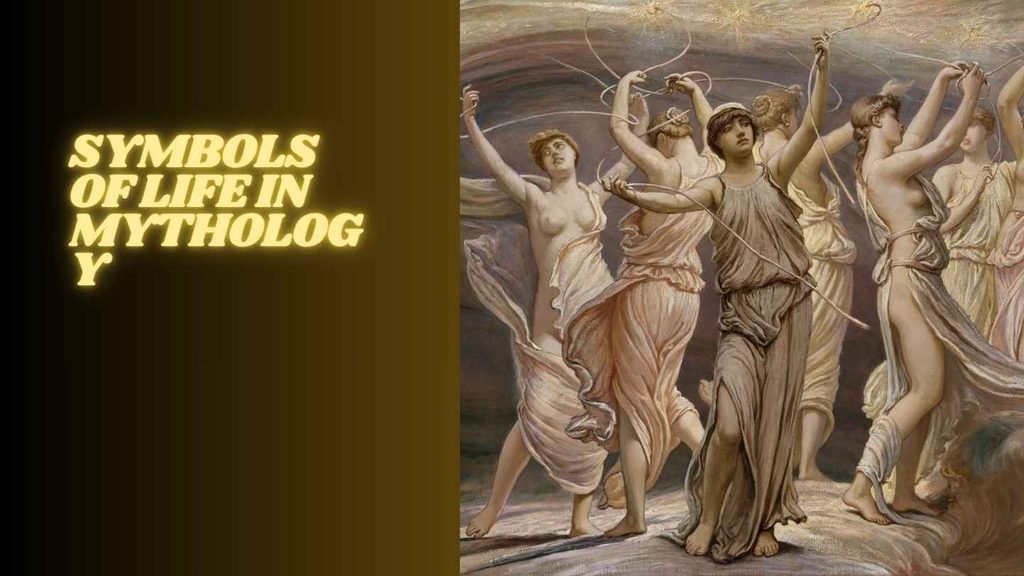
Symbols of life in mythology represent creation, fertility, immortality, rebirth, and the relationship between humans and nature. Ancient civilizations used symbolic objects, animals, and plants to explain the mysteries of existence. These symbols often appeared in religious stories, traditional artwork, and cultural legends.
Popular mythological symbols include the phoenix, sacred tree, lotus flower, and ankh. The phoenix represents rebirth through renewal, while the Egyptian ankh is widely associated with life and vitality. Sacred trees often symbolize wisdom, creation, and the connection between different worlds.
These symbols continue to influence modern art, literature, jewelry, and spiritual designs. Their ancient stories give them deeper meanings that remain relevant across generations. By exploring mythological life symbols, people can better understand how different cultures viewed existence, transformation, and the natural world.
Symbols That Represent Life in Tattoos
Life symbols are among the most requested tattoo designs because they carry deeply personal meanings.
Popular tattoo choices include:
- Tree of Life for family and growth.
- Lotus Flower for overcoming struggles.
- Infinity Symbol for eternal love.
- Phoenix for starting over.
- Ouroboros for life’s endless cycle.
- Butterfly for transformation.
- Celtic Knot for eternity.
When choosing a tattoo, consider both the symbol’s historical significance and its personal meaning. A symbol becomes even more powerful when it reflects your own experiences.
Modern Uses of Life Symbols
Today, symbols that represent life extend far beyond religious and historical contexts.
They are commonly used in:
- Jewelry and accessories
- Company logos
- Home décor
- Meditation practices
- Graphic design
- Literature and film
- Digital artwork
- Personal branding
Their continued popularity demonstrates how timeless symbolism can adapt to modern life while retaining its original meanings.
How to Choose a Symbol That Represents Life
Selecting a life symbol depends on what aspect of life resonates most with you.
- Choose the Tree of Life for family and connection.
- Select the Lotus for resilience and spiritual growth.
- Pick the Phoenix for personal transformation.
- Consider the Infinity Symbol for eternity.
- Use the Sun for vitality and energy.
- Choose the Butterfly for change and renewal.
- Select the Ankh for eternal life and ancient wisdom.
Researching a symbol’s cultural background is also important to ensure it is used respectfully and accurately.
Frequently Asked Questions
What is the most common symbol that represents life?
The Tree of Life is widely considered the most universal symbol of life because it represents growth, connection, and continuity across numerous cultures.
Which ancient symbol means eternal life?
The Ankh from ancient Egypt is one of the oldest and most recognized symbols of eternal life and immortality.
What flower symbolizes life?
The lotus flower is commonly associated with life, renewal, purity, and spiritual awakening.
What animal symbolizes life?
Butterflies, phoenixes, and dragonflies are frequently associated with life due to their symbolism of transformation and renewal.
Is the infinity symbol a symbol of life?
Yes. The infinity symbol represents endless existence, limitless possibilities, and the continuous nature of life.
Why are life symbols important?
Life symbols help people express beliefs, values, and emotions. They also preserve cultural traditions and provide a deeper understanding of humanity’s shared experiences.
Which symbol is best for a life tattoo?
The best symbol depends on personal meaning. The Tree of Life, Phoenix, Lotus, and Infinity Symbol are among the most popular choices for tattoos.
Conclusion
Symbols that represent life have connected humanity for thousands of years. From the ancient Ankh of Egypt to the timeless Tree of Life and the transformative butterfly, these symbols tell stories of growth, resilience, and continuity.
Their enduring appeal lies in their ability to communicate complex ideas through simple imagery. Whether used in art, spirituality, tattoos, or everyday life, they remind us that life is constantly evolving and that every culture has sought to celebrate its beauty.
Understanding these symbols offers more than historical knowledge—it provides a deeper appreciation for the shared human experience and the timeless quest to understand what it means to truly live.
Relevant Articles.

I’m Sophia Bennett, and I have a passion for uncovering the meaning behind symbols used throughout history and across different cultures. I love researching mythology, nature, dreams, and spiritual traditions to explain how symbols shape our understanding of the world.
Writing for Symbolory allows me to share reliable, easy-to-read information that helps readers connect with the stories behind every symbol. My mission is to make symbolism interesting, practical, and accessible for everyone.
Books
- The World of Symbol Meanings
- Sacred Symbols and Modern Interpretations
 Amelia Hart