
Every U.S. state has symbols that tell a story, and North Carolina is no exception. From the majestic cardinal to the flowering dogwood, the official NC symbols reflect the state’s rich history, natural beauty, and cultural heritage.
Many people search for NC symbols when studying state history, planning a trip to North Carolina, helping children with school projects, or simply learning more about the Tar Heel State. These symbols are more than decorative emblems—they represent the people, landscapes, traditions, and values that have shaped North Carolina for centuries.
In this guide, you’ll discover the history behind North Carolina’s official symbols, fascinating facts, cultural significance, and why these symbols continue to matter today.
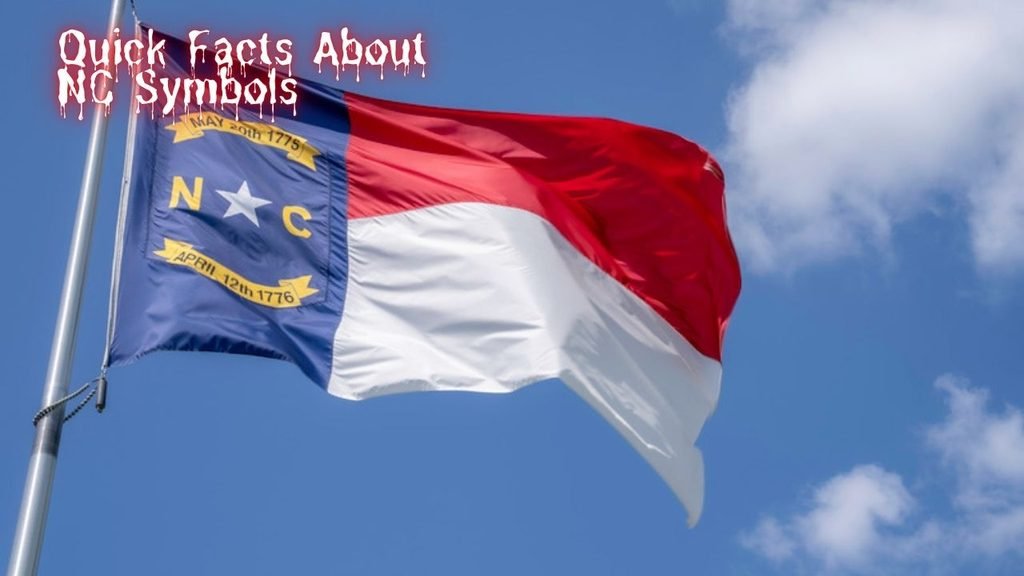
Quick Facts About NC Symbols
| Category | Official Symbol |
| State Nickname | The Tar Heel State |
| State Bird | Northern Cardinal |
| State Flower | Flowering Dogwood |
| State Tree | Longleaf Pine |
| State Mammal | Eastern Gray Squirrel |
| State Reptile | Eastern Box Turtle |
| State Fruit | Scuppernong Grape |
| State Beverage | Milk |
| State Motto | Esse Quam Videri (“To Be Rather Than to Seem”) |
| State Colors | Red and Blue |
| State Shell | Scotch Bonnet |
| State Rock | Granite |
What Are NC Symbols?
NC symbols are the officially recognized emblems of North Carolina. The state legislature has designated these symbols over many decades to celebrate North Carolina’s environment, agriculture, wildlife, and history.
Official state symbols can include animals, plants, foods, minerals, songs, and mottos. Together, they provide a snapshot of what makes North Carolina unique.
These symbols are commonly taught in schools, featured in tourism materials, and used during state celebrations. They also serve as a reminder of North Carolina’s connection to both its past and future.
History of North Carolina State Symbols
North Carolina began adopting official symbols in the early 20th century. One of the earliest and most recognizable additions was the state flower, the flowering dogwood, which was adopted in 1941.
Over time, lawmakers expanded the list to include symbols representing agriculture, wildlife, and local industries. The state motto, “Esse Quam Videri,” dates back even further and was adopted in 1893.
The addition of new symbols often reflects changing priorities. For example, recognizing the Scuppernong grape highlights North Carolina’s role in American viticulture, while the Eastern Box Turtle emphasizes conservation awareness.
Today, North Carolina has dozens of official symbols, making it one of the states with the richest collections of state emblems in the United States.
Most Famous NC Symbols
- Northern Cardinal (State Bird)
- Flowering Dogwood (State Flower)
- Longleaf Pine (State Tree)
- Eastern Gray Squirrel (State Mammal)
- Eastern Box Turtle (State Reptile)
- Scotch Bonnet (State Shell)
- Scuppernong Grape (State Fruit)
- Milk (State Beverage)
- Granite (State Rock)
- Red and Blue (State Colors)
These symbols appear in classrooms, government publications, museums, and tourist attractions throughout North Carolina.
20 Interesting Facts About NC Symbols
- The Northern Cardinal was adopted in 1943. Its bright red feathers make it one of the easiest birds to identify in North Carolina. It remains a favorite among birdwatchers across the state.
- The Flowering Dogwood blooms every spring. Its white blossoms have become a symbol of renewal and are celebrated in festivals throughout North Carolina.
- North Carolina’s motto is in Latin. “Esse Quam Videri” translates to “To Be Rather Than to Seem,” encouraging authenticity and integrity.
- The Scuppernong grape originated in North Carolina. It is considered one of America’s oldest cultivated grapes and has been grown since the colonial era.
- Granite plays an important role in the state’s economy. North Carolina is known for its high-quality granite quarries, especially around Mount Airy.
- The Longleaf Pine once covered millions of acres. Although its population declined over time, restoration efforts continue across the Southeast.
- The Eastern Box Turtle can live for decades. Some individuals are known to survive for more than 50 years in the wild.
- Milk became the official state beverage in 1987. The designation recognizes the importance of dairy farming in North Carolina.
- The Scotch Bonnet shell is surprisingly rare. It is named after its resemblance to a traditional Scottish bonnet.
- The Eastern Gray Squirrel is highly adaptable. It thrives in forests, parks, and even urban neighborhoods throughout the state.
- The cardinal stays in North Carolina year-round. Unlike many birds, it does not migrate during the winter.
- The dogwood has cultural significance beyond North Carolina. It is associated with springtime across much of the eastern United States.
- North Carolina has dozens of official symbols. The list continues to grow as legislators recognize additional elements of state heritage.
- Granite from North Carolina has been used nationwide. It has appeared in monuments, buildings, and memorial projects across America.
- The Longleaf Pine supports biodiversity. Entire ecosystems depend on these forests for survival.
- Scuppernong grapes helped establish local wineries. They continue to influence North Carolina’s growing wine industry today.
- The state’s colors mirror patriotism. Red and blue reflect North Carolina’s connection to American history.
- The Eastern Box Turtle is a conservation symbol. Habitat protection efforts often feature this distinctive reptile.
- Many NC symbols are connected to nature. This reflects the state’s mountains, forests, coastline, and agricultural traditions.
- NC symbols help preserve history. They serve as educational tools that connect younger generations with North Carolina’s heritage.
Cultural Importance of NC Symbols
North Carolina’s symbols are deeply woven into the state’s identity. Schools regularly teach students about the cardinal, dogwood, and state motto as part of history and civics lessons.
Community events often celebrate these symbols. Dogwood festivals, agricultural fairs, and wildlife exhibits help residents appreciate their state’s natural treasures.
NC symbols also strengthen a sense of belonging. Whether someone lives in the Blue Ridge Mountains or along the Outer Banks, these emblems provide a shared connection across diverse regions.
In many ways, state symbols act as storytellers. They preserve traditions while reminding residents of the landscapes and values that define North Carolina.
Wildlife Symbols of North Carolina
North Carolina is home to remarkable biodiversity, and several official symbols highlight this fact.
- Northern Cardinal (Bird)
- Eastern Gray Squirrel (Mammal)
- Eastern Box Turtle (Reptile)
These animals were chosen because they are familiar to residents and represent North Carolina’s ecosystems. From backyard feeders to wooded trails, encounters with these species are common throughout the state.
Wildlife conservation organizations frequently use these symbols to promote environmental education and habitat preservation.
Plant Symbols of North Carolina
Plant symbols showcase the state’s natural beauty and agricultural heritage.
- Flowering Dogwood
- Longleaf Pine
- Venus Flytrap (official carnivorous plant)
- Scuppernong Grape
The Venus Flytrap deserves special mention because it grows naturally within a limited region near the North Carolina coast. This rare plant attracts scientists and tourists from around the world.
Meanwhile, the Longleaf Pine remains an important symbol of resilience and environmental restoration.
Famous Places Connected to NC Symbols
Several destinations in North Carolina offer opportunities to experience state symbols firsthand:
- Dogwood-lined parks during spring blooms.
- The Blue Ridge Mountains, where cardinals are frequently seen.
- Mount Airy’s granite quarries.
- Coastal areas where Scotch Bonnet shells may occasionally be found.
- Vineyards specializing in Scuppernong grapes.
- Longleaf Pine preserves across the state.
These locations make excellent additions to educational trips and family vacations.
NC Symbols and Their Modern Importance
State symbols continue to have practical value in modern North Carolina.
Tourism campaigns frequently feature images of dogwood blossoms and cardinals. Conservation groups use the Eastern Box Turtle and Longleaf Pine to promote environmental initiatives.
Agricultural organizations highlight the Scuppernong grape and dairy industry, while educators rely on state symbols to teach local history.
In a rapidly changing world, NC symbols provide continuity. They remind residents of their shared heritage while helping visitors understand what makes North Carolina special.
Why NC Symbols Matter for Students
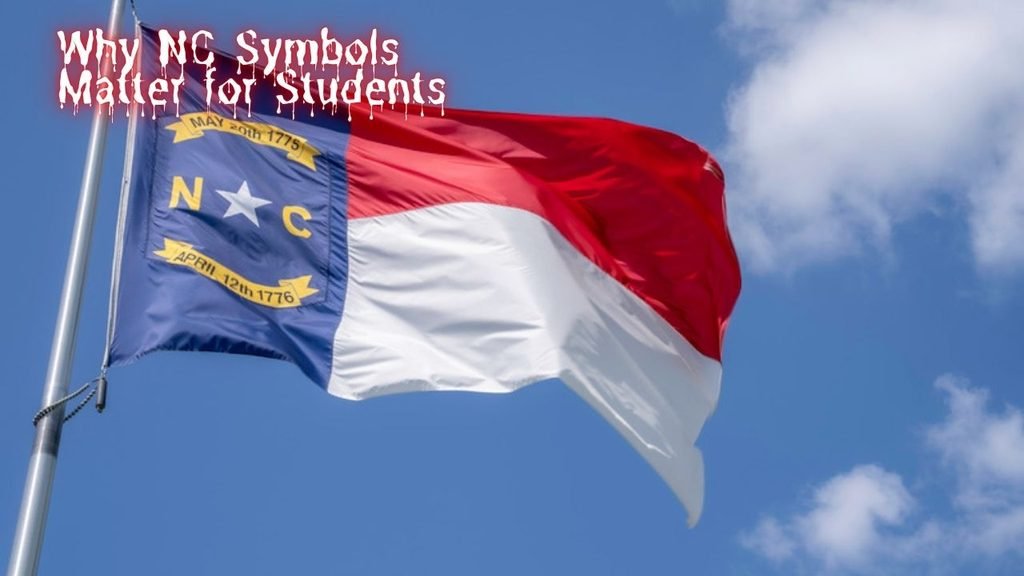
NC symbols are an important part of educational curricula throughout North Carolina.
Students learn:
- State history
- Environmental awareness
- Civic responsibility
- Wildlife conservation
- Agricultural heritage
School projects often include drawing state symbols, memorizing the state motto, or researching the history behind official emblems.
Learning about NC symbols helps students develop a stronger appreciation for their state’s unique identity and contributions to American culture.
Frequently Asked Questions
What are the official NC symbols?
North Carolina’s official symbols include the Northern Cardinal, Flowering Dogwood, Longleaf Pine, Eastern Gray Squirrel, Eastern Box Turtle, Scuppernong grape, and many others recognized by the state legislature.
What is North Carolina’s state bird?
The Northern Cardinal is North Carolina’s official state bird. It was adopted in 1943 and is known for its bright red plumage.
What is North Carolina’s state flower?
The Flowering Dogwood became North Carolina’s official state flower in 1941 and remains one of the state’s most recognizable symbols.
Why is the Scuppernong grape important?
The Scuppernong grape originated in North Carolina and played a major role in the state’s agricultural and winemaking history.
What does North Carolina’s motto mean?
“Esse Quam Videri” means “To Be Rather Than to Seem.” It emphasizes honesty, authenticity, and character.
What is North Carolina’s state reptile?
The Eastern Box Turtle is the official state reptile and symbolizes the importance of wildlife conservation.
How many official NC symbols are there?
North Carolina has dozens of official symbols covering categories such as animals, plants, foods, minerals, and cultural elements.
Conclusion
NC symbols tell the story of North Carolina in a way that history books alone cannot. From the vibrant Northern Cardinal and beautiful Flowering Dogwood to the historic Scuppernong grape and enduring state motto, each symbol reflects an important part of the Tar Heel State’s identity.
These emblems celebrate North Carolina’s wildlife, landscapes, traditions, and achievements. They educate students, inspire travelers, and preserve a rich cultural legacy for future generations.
Whether you’re researching for school, planning a visit, or simply exploring state history, understanding NC symbols offers a fascinating look at one of America’s most distinctive states.

I’m Sophia Bennett, and I have a passion for uncovering the meaning behind symbols used throughout history and across different cultures. I love researching mythology, nature, dreams, and spiritual traditions to explain how symbols shape our understanding of the world.
Writing for Symbolory allows me to share reliable, easy-to-read information that helps readers connect with the stories behind every symbol. My mission is to make symbolism interesting, practical, and accessible for everyone.
Books
- The World of Symbol Meanings
- Sacred Symbols and Modern Interpretations
 Amelia Hart