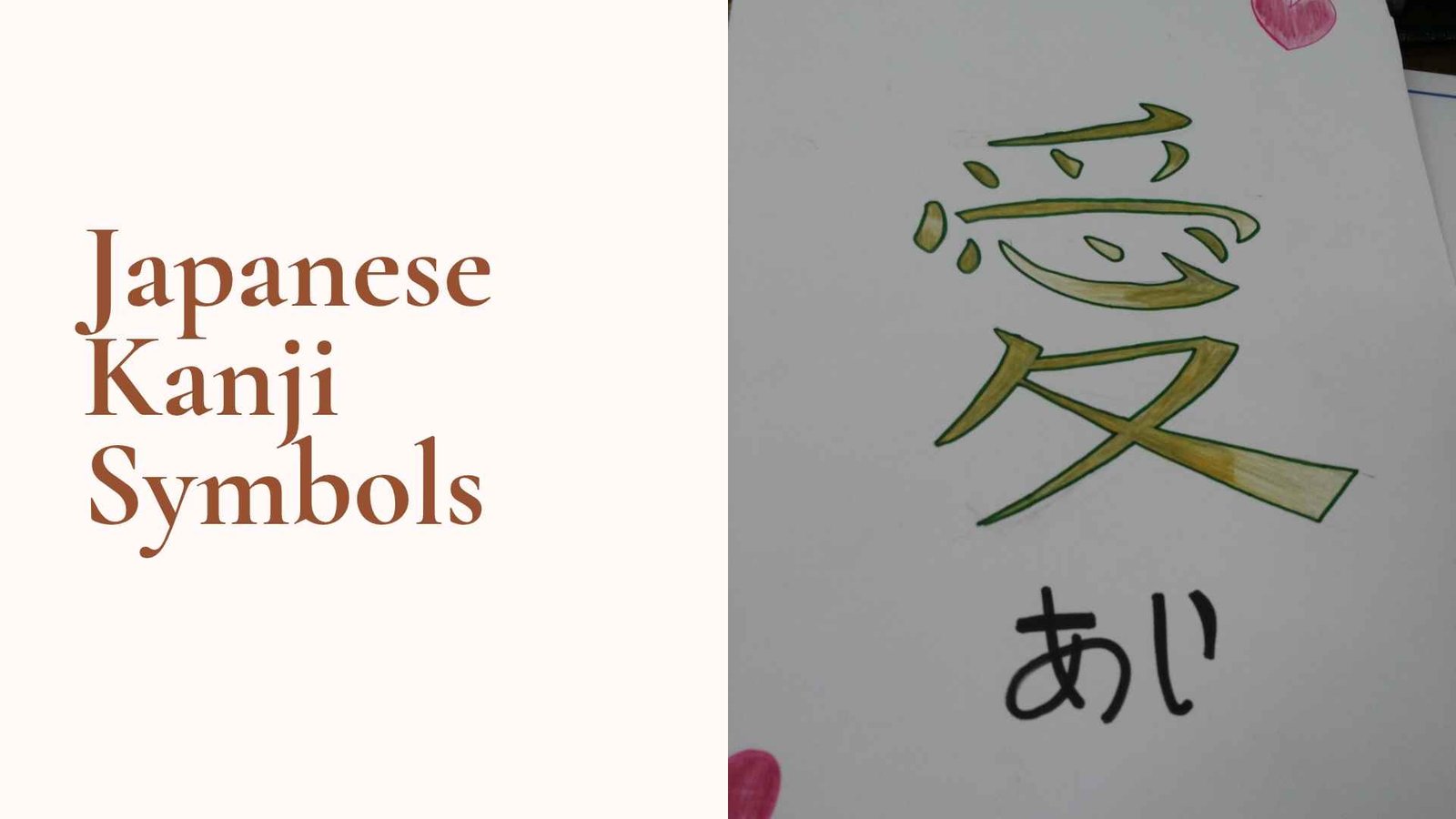
Japanese kanji symbols have fascinated people around the world for generations. I still remember seeing a single kanji character on a wall scroll and being surprised that one symbol could hold so much meaning. Whether you’re looking for a tattoo idea, designing a logo, or simply exploring Japanese culture, kanji offers something deeply personal.
These symbols are more than beautiful characters. They carry stories shaped by language, history, and tradition. A single kanji can express ideas like love, courage, peace, or wisdom in a simple and elegant way.
If you’re thinking about using Japanese kanji symbols in your life, it’s worth understanding what they mean and where they come from. Doing so helps you choose a symbol that feels authentic and respectful.
In this guide, you’ll discover popular kanji symbols, their meanings, practical uses, and tips for choosing the right one.
Quick Answer: What Symbol Represents Japanese Kanji?
There isn’t one symbol that represents all Japanese kanji symbols because kanji is a writing system made up of thousands of characters. However, some of the most recognized kanji include:
- 愛 (Ai) – Love
- 和 (Wa) – Harmony
- 勇 (Yū) – Courage
- 希望 (Kibō) – Hope
- 平和 (Heiwa) – Peace
Among them, 愛 (love) is one of the most popular worldwide due to its emotional meaning and frequent use in tattoos, art, and design.
What Are Japanese Kanji Symbols?
Japanese kanji symbols are characters used in the Japanese writing system. They originated from Chinese characters and have been adapted in Japan over many centuries.
Unlike alphabet letters, each kanji carries its own meaning. Some represent ideas, while others stand for objects, emotions, or actions. For example, 山 means mountain, while 心 means heart or mind.
The meaning of a kanji can also change depending on how it is combined with other characters. That’s why context matters.
Today, Japanese kanji symbols are used in:
- Books and newspapers
- Calligraphy
- Tattoos
- Jewelry
- Home décor
- Brand designs
- Personal artwork
While many people admire their visual appeal, understanding their cultural background helps ensure they are used respectfully.
Japanese Kanji Symbols Comparison Table
| Symbol | Main Meaning | Best Use |
| 愛 | Love | Tattoos, gifts, jewelry |
| 和 | Harmony | Family art, home décor |
| 勇 | Courage | Personal reminders, tattoos |
| 希望 | Hope | Wall art, journals |
| 平和 | Peace | Meditation spaces |
| 心 | Heart | Jewelry, matching tattoos |
| 幸 | Happiness | Logo design, gifts |
| 力 | Strength | Fitness branding, tattoos |
| 夢 | Dream | Vision boards, posters |
| 光 | Light | Spiritual art |
| 忍 | Endurance | Personal growth reminders |
| 福 | Good Fortune | Home decorations |
愛 (Ai): The Kanji for Love
Love is one of the most recognized Japanese kanji symbols. The character 愛 (Ai) refers to deep affection and caring for others. In Japanese culture, it is often associated with emotional bonds rather than romantic ideas alone.
You’ll find this kanji in calligraphy pieces, jewelry, and artwork around the world. Because of its simple shape and universal message, it remains a favorite for tattoos.
Many people choose 愛 to honor a loved one or remind themselves to live with kindness. It also works well in minimalist designs because it is easy to recognize.
Best for:
- Tattoos
- Necklaces
- Wedding gifts
- Wall art
- Matching designs
和 (Wa): The Kanji for Harmony
和 means harmony, peace, and balance. It is an important idea in Japanese culture and reflects living respectfully with others.
This symbol is often connected to teamwork, family relationships, and social unity. It is commonly seen in traditional Japanese expressions and cultural discussions.
For people seeking a symbol of balance in life, 和 offers a thoughtful choice. It fits beautifully in home décor, meditation spaces, and family artwork.
Best for:
- Family art
- Home décor
- Meditation rooms
- Community logos
- Personal journals
勇 (Yū): The Kanji for Courage
勇 symbolizes courage and bravery. It reminds us that strength isn’t always loud—sometimes it’s simply continuing through difficult times.
This kanji has become a popular tattoo choice among athletes, military members, and people celebrating personal milestones. Its message feels timeless and practical.
Unlike symbols focused on physical strength, 勇 highlights inner determination. It can serve as a daily reminder to face challenges with confidence.
Best for:
- Tattoo designs
- Sports branding
- Personal reminders
- Motivational posters
- Achievement gifts
希望 (Kibō): The Kanji for Hope
希望 combines two characters to create the word “hope.” It carries a positive message about looking toward the future.
People often turn to this symbol during major life changes. Whether you’re starting a new job, moving to a new city, or overcoming a difficult chapter, hope remains meaningful.
Its elegant appearance also makes it suitable for framed artwork and inspirational designs.
Best for:
- Vision boards
- Graduation gifts
- Inspirational prints
- Journals
- Personal tattoos
平和 (Heiwa): The Kanji for Peace
平和 means peace and is commonly used in discussions about harmony between people and nations.
This kanji is appreciated by those who value calmness and mindfulness. It works particularly well in yoga studios, meditation spaces, and wellness brands.
Because peace is a universal idea, 平和 appeals to people across many cultures.
Best for:
- Meditation décor
- Wellness branding
- Posters
- Spiritual artwork
- Peace-themed tattoos
心 (Kokoro): The Kanji for Heart
心 translates to heart, mind, or spirit. In Japanese, it often carries a broader meaning than the English word “heart.”
This symbol reflects emotions, intentions, and one’s inner self. It is frequently used in Japanese literature and philosophy.
Many people choose 心 because it feels deeply personal. Its compact design also makes it ideal for smaller tattoos.
Best for:
- Small tattoos
- Jewelry
- Matching friendship symbols
- Personal art
- Scrapbooks
幸 (Sachi): The Kanji for Happiness
幸 is associated with happiness, good fortune, and contentment. Rather than temporary excitement, it points toward a fulfilling life.
People often use this symbol as a reminder to appreciate everyday moments. It is a popular choice for gifts because of its uplifting message.
Its balanced appearance makes it attractive in both modern and traditional designs.
Best for:
- Greeting cards
- Jewelry
- Gift items
- Home decorations
- Brand elements
力 (Chikara): The Kanji for Strength
力 simply means strength or power. Despite its simple appearance, it carries a bold message.
This kanji is widely used in fitness communities and motivational designs. It can refer to physical strength, emotional resilience, or determination.
Because it consists of only a few strokes, it works especially well for minimalist tattoos and logos.
Best for:
- Fitness logos
- Tattoo art
- Gym branding
- Motivational designs
- Personal reminders
夢 (Yume): The Kanji for Dream
夢 means dream, both in the sense of sleeping and pursuing life goals. It encourages creativity and ambition.
Artists, students, and entrepreneurs often connect with this kanji because it reflects aspiration and imagination.
Its meaning feels especially relevant for anyone chasing a long-term goal.
Best for:
- Vision boards
- Creative projects
- Posters
- Tattoos
- Inspirational gifts
光 (Hikari): The Kanji for Light
光 means light, brightness, and illumination. In many contexts, it symbolizes guidance and clarity.
This kanji is often used in spiritual and artistic settings. Some people choose it to mark moments of personal growth or new beginnings.
Its message is simple yet uplifting.
Best for:
- Spiritual artwork
- Home décor
- Jewelry
- Wellness spaces
- Tattoo designs
忍 (Shinobu): The Kanji for Endurance
忍 refers to endurance, patience, and perseverance. It is also connected to the concept of enduring hardship with grace.
This symbol has historical ties to Japanese language and culture and is often associated with discipline.
For many people, 忍 serves as a reminder that growth takes time.
Best for:
- Personal tattoos
- Motivational art
- Journals
- Martial arts schools
- Goal trackers
福 (Fuku): The Kanji for Good Fortune
福 means good fortune, blessings, and luck. It is commonly displayed during celebrations and festive occasions.
This kanji remains popular in decorative art because it carries positive associations. Many households use symbols of fortune as welcoming decorations.
It is a wonderful choice for anyone who appreciates symbols connected to gratitude and prosperity.
Best for:
- Home decorations
- Gift packaging
- Holiday displays
- Wall art
- Business signage
Best Japanese Kanji Symbols for Tattoos
Japanese kanji symbols are popular tattoo choices because they combine meaning with elegant design. Before getting one, always verify the translation with a reliable Japanese language source.
Some of the best tattoo options include:
- 愛 (Love)
- 心 (Heart)
- 勇 (Courage)
- 力 (Strength)
- 夢 (Dream)
- 和 (Harmony)
- 忍 (Endurance)
- 光 (Light)
Small tattoos often work best with single-character kanji, while larger pieces can include multiple symbols for a more detailed message.
Best Japanese Kanji Symbols for Logos and Design
Not every kanji works well in branding. The best choices are simple, readable, and easy to remember.
Popular options for creative projects include:
- 力 for fitness brands
- 和 for community organizations
- 光 for wellness businesses
- 幸 for lifestyle products
- 夢 for creative companies
When using kanji in logos, avoid overcrowding the design. A clean layout usually has the greatest visual impact.
Best Japanese Kanji Symbols for Family, Spiritual, or Personal Meaning
If you’re looking for something meaningful, consider what matters most to you.
- Family and unity: 和
- Inner peace: 平和
- Personal growth: 忍
- Love and relationships: 愛
- Hope during change: 希望
- Happiness: 幸
- Spiritual reflection: 心
Choosing a symbol with personal significance often creates a stronger emotional connection than selecting one simply because it looks attractive.
Before Using Cultural or Sacred Symbols
Japanese kanji symbols are part of a living language and culture. Before using them in tattoos, logos, or products, take time to understand their origins and meanings.
Keep these points in mind:
- Confirm translations with native speakers or trusted sources.
- Some symbols carry cultural significance.
- Meanings can change depending on context.
- Avoid combining random characters without understanding them.
- Respect cultural traditions when using kanji commercially.
A little research can help you avoid mistakes and make your chosen symbol more meaningful.
How to Choose the Right Symbol for Japanese Kanji
Ask yourself these questions before making a decision:
- What meaning matters most to me?
- Will this be used for a tattoo, logo, or artwork?
- Is the symbol easy to read?
- Have I confirmed its translation?
- Does it fit my personal story?
The best symbol is one that feels authentic to your experiences while respecting its cultural background.
FAQs About Japanese Kanji Symbols
What is the best symbol for Japanese kanji?
There isn’t a single best symbol. Popular choices include 愛 (love), 和 (harmony), and 勇 (courage) because they are meaningful and visually appealing.
What symbol represents strength in Japanese?
The kanji 力 means strength or power. It is commonly used in tattoos, sports branding, and motivational artwork.
What is a good Japanese kanji tattoo?
愛, 心, 夢, and 忍 are excellent tattoo choices. They are meaningful, easy to recognize, and work well in both small and large designs.
Which kanji symbolizes peace?
平和 is the Japanese word for peace. It is often used in meditation spaces, artwork, and wellness-focused designs.
What symbol represents family and harmony?
和 is closely associated with harmony and unity, making it a thoughtful choice for family-themed artwork or gifts.
Is it okay to use Japanese kanji in logos?
Yes, but it’s important to understand the meaning and ensure the character is used respectfully and accurately.
What is the simplest Japanese kanji symbol?
力 (strength) and 心 (heart) are among the simplest and most recognizable kanji symbols for beginners.
Do Japanese kanji symbols have spiritual meanings?
Some kanji can carry spiritual or philosophical associations depending on context. However, many are everyday language characters rather than sacred symbols.
Final Thoughts
Japanese kanji symbols continue to inspire people because they blend language, art, and meaning in a unique way. Whether you’re choosing a tattoo, creating a logo, or exploring Japanese culture, taking time to understand these characters makes the experience more rewarding.
The right kanji isn’t necessarily the most popular one—it’s the symbol that tells your story with honesty and respect.

Hi, I’m Benjamin Carter. I have spent years studying symbols from different civilizations and discovering how they influence art, religion, culture, and daily life. I enjoy turning detailed research into simple, engaging articles that anyone can understand.
I believe every symbol has a unique story, and sharing those stories is what inspires me the most. Through Symbolory, I aim to help readers explore the meanings behind famous symbols, lucky signs, spiritual icons, and historical emblems with confidence.
Books
- Symbols Across Civilizations
- The Complete Guide to Meaningful Icons
 Sophia Bennett