Unity is one of the strongest forces that brings people together. Across different cultures, religions, communities, and nations, symbols for unity have represented peace, cooperation, strength, and shared purpose. Whether carved into ancient monuments, displayed on national flags, or worn as meaningful jewelry, these symbols remind us that people are stronger when they stand together.
Throughout history, artists, leaders, and spiritual traditions have used symbols to express togetherness in ways that words cannot. Some represent family bonds, while others symbolize global harmony, friendship, equality, or everlasting connection. Understanding these symbols helps us appreciate different cultures and recognize the universal desire for peace and cooperation.
In this guide, you’ll discover the history, meanings, cultural significance, and fascinating facts about the world’s most recognized symbols for unity.
Quick Facts About Symbols for Unity
| Feature | Details |
| Primary Meaning | Togetherness, cooperation, harmony, peace |
| Found In | Ancient civilizations, religions, modern organizations |
| Common Materials | Stone, wood, metal, fabric, jewelry, artwork |
| Used For | Ceremonies, flags, logos, monuments, tattoos, gifts |
| Universal Themes | Love, family, equality, teamwork, friendship |
| Modern Importance | Diversity, inclusion, global cooperation |
What Are Symbols for Unity?
Symbols for unity are visual signs, objects, patterns, or designs that represent people coming together for a common purpose. While every culture has its own unique symbols, many share similar meanings such as peace, mutual respect, solidarity, and collective strength.
These symbols appear in art, architecture, national emblems, religious traditions, educational institutions, and community celebrations. Some are thousands of years old, while others have become popular in modern social movements.
The History of Symbols for Unity
Humans have used symbols long before written language existed. Ancient civilizations created carvings and artwork to communicate ideas about family, cooperation, and community.
As societies evolved, symbols of unity became part of religious ceremonies, royal emblems, and national identities. During times of conflict, they inspired hope and reminded people of shared goals. In modern times, organizations promoting peace, equality, and humanitarian efforts continue using symbolic imagery to encourage cooperation across borders.
Today, symbols for unity remain important in education, diplomacy, social campaigns, sports, and cultural celebrations.
20 Powerful Symbols for Unity and Their Meanings
1. Circle
The circle has no beginning or end, making it one of the oldest symbols of unity. It represents wholeness, equality, and endless connection because every point is equally important.
2. Linked Hands
Joined hands symbolize cooperation, friendship, trust, and mutual support. They are commonly used in community organizations and peace initiatives to show people working together.
3. Interlocking Rings
Interlocking rings represent relationships that cannot easily be broken. They symbolize commitment, teamwork, partnership, and lifelong bonds.
4. Celtic Knot
The endless loops of Celtic knots have no visible beginning or ending. They symbolize eternal unity, interconnectedness, and the continuous cycle of life.
5. Olive Branch
Known worldwide as a symbol of peace, the olive branch also represents reconciliation and unity after conflict. It encourages cooperation instead of division.
6. Dove
The white dove symbolizes harmony, hope, forgiveness, and peaceful coexistence. It has become one of the world’s most recognized symbols of unity.
7. Tree of Life
The Tree of Life represents how all living things are connected. Its branches and roots symbolize growth, family, strength, and shared existence.
8. Puzzle Pieces
Interlocking puzzle pieces remind us that every individual contributes something valuable. Together, each piece forms a complete picture of unity.
9. Rainbow
The rainbow celebrates diversity while showing that different colors create one beautiful whole. It has become an international symbol of inclusion and acceptance.
10. Woven Basket
Many cultures use woven baskets to represent strength through cooperation. Individual strands may be weak, but woven together they become durable and useful.
11. Bundle of Sticks
Ancient stories often use bundled sticks to teach that people standing together are stronger than individuals acting alone.
12. Circle of People
A group standing hand in hand in a circle represents equality because no person stands above another. It reflects shared responsibility and mutual respect.
13. Yin and Yang
Although it symbolizes balance, Yin and Yang also teaches that opposite forces can work together to create harmony and unity.
14. Unity Candle
Lighting two flames into one candle during ceremonies symbolizes two individuals or families becoming united while maintaining their identities.
15. National Flags
Many national flags include colors and patterns representing unity among diverse citizens, cultures, and regions within one nation.
16. The Peace Sign
Originally designed for nuclear disarmament, the peace sign has evolved into a global symbol encouraging unity, nonviolence, and cooperation.
17. Heart
The heart represents compassion, kindness, and unconditional love, making it a universal symbol that connects people regardless of language or culture.
18. Infinity Symbol
The infinity symbol represents endless connection, lifelong friendship, and relationships that continue beyond time.
19. Family Tree
Family trees visually demonstrate how generations remain connected despite growing in different directions.
20. Globe
The globe symbolizes humanity sharing one planet. It reminds us that despite cultural differences, everyone belongs to one global community.
Symbols of Unity and Togetherness
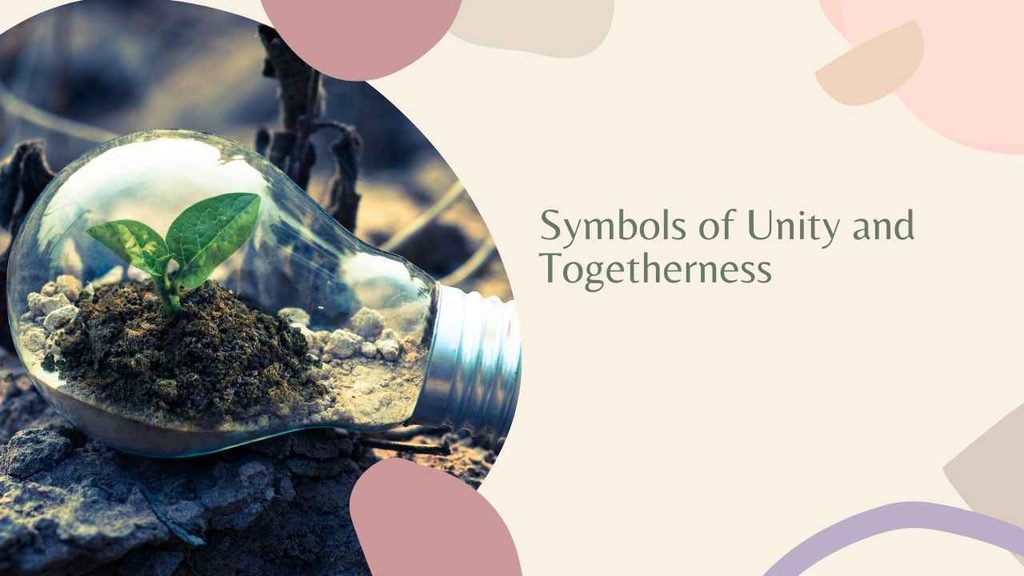
Symbols of unity and togetherness represent the bond between people, shared values, and the strength that comes from standing together. They can express friendship, family connections, teamwork, and a sense of belonging.
From interlocking circles to hands joined together, these symbols remind us that people can achieve more when they support one another. Their meanings often depend on cultural traditions and personal experiences.
Symbols for Unity in Art
Symbols for unity in art help artists communicate connection, harmony, and cooperation through visual designs. Common examples include circles, linked shapes, joined hands, and figures arranged in a shared pattern.
These designs can be used in paintings, murals, sculptures, and digital artwork to express the idea of people coming together. The colors, shapes, and cultural background of each design can add deeper meaning to the artwork.
Symbols for Unity Tattoo
Symbols for unity tattoos are meaningful designs that represent loyalty, connection, and the bond between individuals or communities. People may choose linked circles, interlocking lines, matching symbols, or traditional patterns to express these values.
A unity tattoo can represent a close friendship, a family relationship, a partnership, or a personal commitment to peace. Before choosing a cultural symbol, it is worth understanding its original meaning and significance.
Beautiful Symbols for Unity
Beautiful symbols for unity combine meaningful ideas with designs that are simple, memorable, and visually appealing. Interlocking circles, doves, connected hearts, and joined hands are popular examples of symbols associated with harmony and connection.
These designs can be used in jewelry, home décor, artwork, gifts, or personal tattoos. The best choice is one that reflects the kind of unity you want to celebrate, whether it is love, friendship, peace, or community.
Symbol of Unity and Peace
A symbol of unity and peace represents the hope that people can live together with respect, understanding, and cooperation. The olive branch, dove, and circle are commonly associated with peace, while joined hands can express solidarity and mutual support.
These symbols appear in artwork, public events, community campaigns, and messages promoting harmony. Their meanings may vary across cultures, but they often encourage people to resolve differences and work toward a peaceful future.
Symbol for Unity and Love
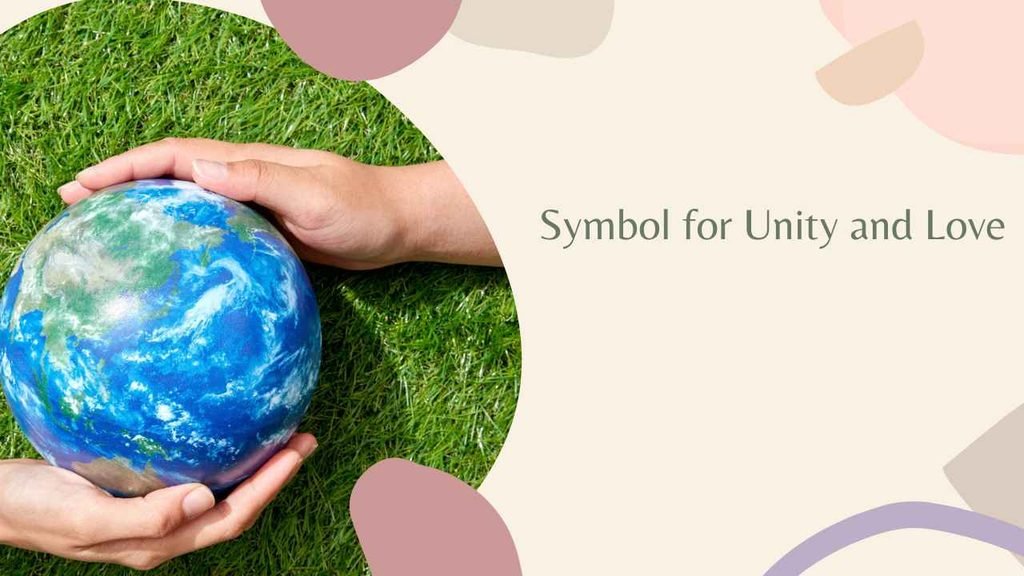
Symbols for unity and love express the emotional connection that brings people closer together. Linked hearts, intertwined rings, and interlocking circles are often used to represent affection, commitment, and lasting relationships.
These symbols can be meaningful choices for couples, families, friends, or anyone who wants to celebrate a strong bond. Their significance becomes even more personal when the design reflects a shared memory or important relationship.
Symbol of Unity and Strength
A symbol of unity and strength shows how people can become stronger when they support one another. Joined hands, linked chains, and bundles of connected elements are common visual representations of teamwork, resilience, and collective power.
Such symbols are often used by families, organizations, teams, and communities to express solidarity. They remind us that cooperation and trust can help people face challenges that may be difficult to overcome alone.
Symbol of Unity Images
Symbol of unity images provide visual examples of designs that represent connection, cooperation, and shared purpose. They may feature circles, joined hands, linked hearts, traditional emblems, or groups of people standing together.
Looking at different images can help you compare styles and understand the ideas behind each design. Consider the cultural background and intended meaning before using a symbol for a logo, artwork, tattoo, or personal project.
African Symbols for Unity
African symbols for unity reflect a wide range of cultural traditions, community values, and ideas about shared responsibility. Adinkra symbols from the Akan people of Ghana, for example, include designs connected with unity, cooperation, harmony, and collective strength.
These symbols are often used in textiles, jewelry, artwork, and decorative designs. Learning about their cultural origins helps people appreciate their meanings and use them with greater understanding and respect.
Symbols for Unity and Strength
Symbols for unity and strength represent the idea that cooperation can create resilience and shared power. Interlocking circles, linked chains, joined hands, and strong geometric patterns can all communicate this message.
People use these designs to celebrate teamwork, family bonds, friendship, and community spirit. Choosing a symbol that reflects your values can make it meaningful for a personal design, group emblem, or creative project.
Adinkra Symbols for Unity
Adinkra symbols are traditional visual symbols associated with the Akan people of Ghana and parts of Côte d’Ivoire. Many represent important ideas about life, wisdom, relationships, and community, making them a meaningful source for exploring unity and togetherness.
Some Adinkra symbols are associated with harmony, cooperation, or shared responsibility, although each design has its own specific meaning. Understanding the original name and cultural context of a symbol is important before using it in artwork, clothing, or tattoos.
Symbols for Unity and Love
Symbols for unity and love bring together two closely connected ideas: emotional affection and the strength of a shared bond. Hearts joined together, intertwined rings, and connected circles are familiar designs used to express care, commitment, and belonging.
These symbols can represent romantic relationships, close friendships, or the love shared within a family. Their meaning depends on the people who choose them and the personal story behind the design.
Celtic Symbols for Unity
Celtic symbols for unity often draw inspiration from traditional knotwork, interwoven patterns, and designs that have no obvious beginning or end. These patterns are commonly associated in modern interpretations with connection, continuity, and the bonds between people.
Celtic-inspired knots are popular in jewelry, artwork, and tattoos because of their detailed shapes and timeless appearance. However, not every knot has a historically established meaning of unity, so it is helpful to distinguish documented traditions from modern interpretations.
Universal Symbols for Unity
Universal symbols for unity are visual designs that many people can understand as expressions of connection, cooperation, or belonging. Joined hands, linked circles, connected hearts, and groups of people standing together are widely recognizable examples.
Although these images may communicate similar ideas across different communities, their meanings are not always identical everywhere. Considering the audience and cultural setting can help you choose a symbol that communicates unity clearly and respectfully.
Symbols for Unity in Diversity
Symbols for unity in diversity express the idea that people can remain different while sharing respect, purpose, and a sense of community. A circle of people, a collection of different colors, or connected shapes can represent individuals working together without losing their identities.
These symbols are often used in schools, cultural events, community organizations, and campaigns promoting inclusion. They communicate that differences in background, language, or tradition can exist alongside cooperation and mutual understanding.
Symbols for Unity in Family
Symbols for unity in family represent the love, trust, and support that connect family members across different stages of life. Family trees, linked circles, intertwined hearts, and joined hands are common designs used to express these relationships.
Families may choose these symbols for keepsakes, jewelry, wall art, or matching tattoos. A meaningful design can reflect shared memories, family traditions, and the commitment to stand by one another through difficult times.
Ancient Symbols for Unity
Ancient symbols for unity come from historical cultures that used visual designs to express relationships, shared beliefs, and collective identity. Interwoven patterns, circular motifs, and traditional emblems appear in many societies, although their original meanings differ by place and period.
Exploring these symbols offers a glimpse into how people have represented connection and community throughout history. Researching their origins helps separate historically supported meanings from interpretations that became popular much later.
Cultural Importance of Symbols for Unity
Different societies interpret unity through their own traditions, yet many themes remain universal.
Indigenous Traditions
Many Indigenous communities use circles, medicine wheels, and sacred gatherings to represent the interconnectedness of people, nature, and spiritual life.
Eastern Cultures
Eastern philosophies often emphasize harmony, balance, and interconnected existence. Symbols like Yin and Yang encourage cooperation rather than conflict.
African Traditions
Many African symbols emphasize community responsibility, collective success, and mutual support. Traditional sayings often reinforce that people thrive together rather than alone.
Western Traditions
Western cultures frequently use clasped hands, olive branches, doves, and national emblems to express peace, unity, and democratic values.
Why Symbols for Unity Matter Today
In today’s interconnected world, symbols for unity are more meaningful than ever. They encourage people to work together across cultural, religious, and political differences.
Modern organizations use these symbols to promote:
- Diversity and inclusion
- Community building
- Peace initiatives
- Teamwork
- Human rights
- Environmental cooperation
- International partnerships
Their visual simplicity makes them instantly recognizable, even across language barriers.
Where You Commonly See Symbols for Unity
Symbols representing togetherness appear in many areas of daily life.
Education
Schools often use circles, linked figures, and community artwork to promote cooperation among students.
Weddings
Unity candles, interlocking rings, and braided cords symbolize two families joining together.
Government
National seals, flags, and monuments often represent citizens united under shared values.
Businesses
Companies use connected shapes and circular logos to communicate teamwork and collaboration.
Community Events
Parades, festivals, charity walks, and volunteer organizations frequently display unity symbols to encourage participation.
Interesting Facts About Symbols for Unity
1. Many unity symbols are thousands of years old.
Ancient civilizations understood the importance of cooperation long before modern societies developed.
2. Circles appear in nearly every culture.
Their endless shape naturally represents equality and inclusion.
3. Different cultures often share similar meanings.
Although designs vary, themes like peace, cooperation, and family appear worldwide.
4. Nature inspires many unity symbols.
Trees, birds, rivers, and woven plants all demonstrate interconnectedness.
5. Modern logos borrow ancient ideas.
Many organizations use circular designs because they subconsciously communicate trust and togetherness.
6. Unity symbols often appear during difficult times.
Communities display them after disasters, conflicts, or tragedies to inspire hope.
7. Sports teams frequently use unity imagery.
Team logos and slogans emphasize collective effort over individual achievement.
8. Religious traditions have unique unity symbols.
Many faiths use symbolic imagery to represent spiritual fellowship and shared beliefs.
9. Jewelry often carries symbolic meaning.
Bracelets, rings, and necklaces featuring infinity signs or knots represent lasting relationships.
10. Public art promotes community identity.
Murals and sculptures frequently celebrate diversity through symbols of unity.
11. Schools teach unity through visual symbols.
Educational programs often include collaborative artwork using circles or linked figures.
12. National monuments celebrate shared history.
Many memorials honor collective sacrifice and national unity.
13. Festivals reinforce togetherness.
Cultural celebrations often include symbolic dances, clothing, or decorations.
14. Social movements adopt recognizable symbols.
Simple designs help unite supporters around a common purpose.
15. Colors can strengthen symbolic meaning.
White often represents peace, while blue symbolizes trust and cooperation.
16. Woven patterns symbolize strength.
Individual fibers become stronger when connected together.
17. Trees symbolize both individuality and connection.
Each branch grows separately while remaining part of one living system.
18. Hands are universally understood.
Regardless of language, joined hands communicate cooperation instantly.
19. Many symbols have multiple meanings.
The olive branch represents both peace and reconciliation depending on context.
20. Unity symbols continue evolving.
Modern designers create new visual representations while preserving timeless themes of togetherness.
How to Choose a Symbol for Unity
Choosing the right symbol depends on its purpose.
- For friendship: Linked hands or infinity symbol
- For marriage: Interlocking rings or unity candle
- For family: Tree of Life or family tree
- For community events: Circle of people
- For peace campaigns: Dove or olive branch
- For diversity initiatives: Rainbow or globe
Selecting a meaningful symbol helps communicate values clearly and respectfully.
Frequently Asked Questions
What is the most popular symbol for unity?
The circle is considered one of the most universal symbols for unity because it represents equality, completeness, and togetherness.
Which symbol represents unity and peace?
The olive branch and the white dove are the most widely recognized symbols representing both unity and peace.
Why do cultures use symbols for unity?
Symbols communicate powerful ideas visually and can be understood across different languages and cultures.
Is the Tree of Life a symbol of unity?
Yes. The Tree of Life symbolizes the interconnectedness of all living things, making it a powerful representation of unity.
What flower symbolizes unity?
Flowers such as white lilies, sunflowers, and lotus flowers are often associated with harmony, hope, and togetherness in different cultures.
Can symbols of unity have different meanings?
Yes. The same symbol may represent family, peace, spirituality, or cooperation depending on the cultural or historical context.
Conclusion
Symbols for unity have inspired people for thousands of years by representing cooperation, peace, equality, and shared purpose.
From simple circles and interlocking rings to ancient Celtic knots and the Tree of Life, these symbols remind us that lasting strength comes from working together rather than standing alone. Understanding their meanings not only deepens our appreciation of history and culture but also encourages stronger relationships, more inclusive communities, and a greater sense of global connection.

Hi, I’m Benjamin Carter. I have spent years studying symbols from different civilizations and discovering how they influence art, religion, culture, and daily life. I enjoy turning detailed research into simple, engaging articles that anyone can understand.
I believe every symbol has a unique story, and sharing those stories is what inspires me the most. Through Symbolory, I aim to help readers explore the meanings behind famous symbols, lucky signs, spiritual icons, and historical emblems with confidence.
Books
- Symbols Across Civilizations
- The Complete Guide to Meaningful Icons
 Sophia Bennett